
24/7 Customer Support

Free returns

Same-day & Next-day Delivery

Quality Guaranteed

Unlock Your Welcome Offers: FREE Delivery | Up to 80% OFF | Free 30-day JoyPlus trial
Download the APP
Creating authentic Asian cuisine at home is a rewarding experience, but stepping into the world of Asian cooking sauces can feel overwhelming. The supermarket aisle presents a wall of bottles, all promising genuine flavour. Yet, many home cooks find their finished dishes lack the punch and depth of their favourite restaurant meals. This often comes down to a few common purchasing pitfalls that are easy to fall into.
As the Joybuy Product Recommendation Officer, my role is to help you navigate the options and build a pantry that empowers your cooking. Let's look at the frequent missteps and how to avoid them.
oriental sauces or "stir-fry" sauces are marketed as a complete solution. While convenient, they often deliver a muted, overly sweet flavour that doesn't represent any specific cuisine. Authentic Chinese, Thai or Japanese dishes rely on a combination of specific, layered condiments, not a single, generic sauce.world food ingredients.soy sauce. Using dark soy sauce when a recipe calls for light (or vice versa) can dramatically alter a dish. One is primarily for salt and flavour, the other for colour and richness, and they are not interchangeable.To ensure you're buying the right product for your culinary adventures, focus on these core parameters.
Understanding what a sauce is made from is the first step to using it correctly. They generally fall into a few key categories:
Chinese sauces and Japanese sauces. Brewed from fermented soybeans (and often wheat), they provide the essential savoury, umami flavour. This category includes light, dark and sweet soy sauces.oyster sauce is a rich, savoury and slightly sweet sauce made from oyster extracts. It's brilliant for adding depth to stir-fries and marinades.sriracha to the pungent Chinese chilli bean sauce (Doubanjiang). Their purpose is to add heat, but the complexity, flavour and fermentation level vary hugely between Thai condiments and Chinese pastes.This is the most critical distinction to master.
Always read the label for specific dietary needs. Many standard soy sauces contain wheat, making them unsuitable for a gluten-free diet. Look for products specifically labelled as gluten free sauces, which are often called Tamari or are made without wheat. Likewise, vegan cooking sauces are now available as alternatives to traditional oyster and fish sauces, which are made from animal products.
To help you start your collection, here are a few recommendations matched to different types of home cooks.
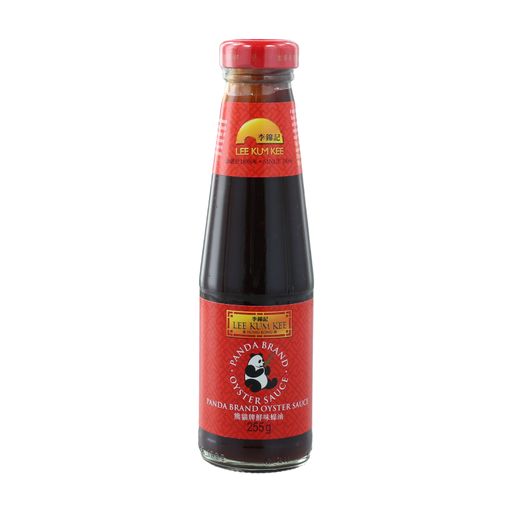
Why This Fits Their Persona: For anyone starting to cook Chinese food, oyster sauce is the next essential step after soy sauce. It's incredibly versatile for adding a savoury, umami-rich gloss to vegetable stir-fries, marinades for chicken or finishing noodle dishes.
This is a specific, authentic condiment, not a generic "stir fry sauce". It provides the distinct savoury flavour from real oyster extracts that all-purpose sauces simply cannot replicate.
A highly versatile sauce from a globally recognised brand, perfect for marinating, stir-frying and dipping. It adds both flavour and a rich colour.
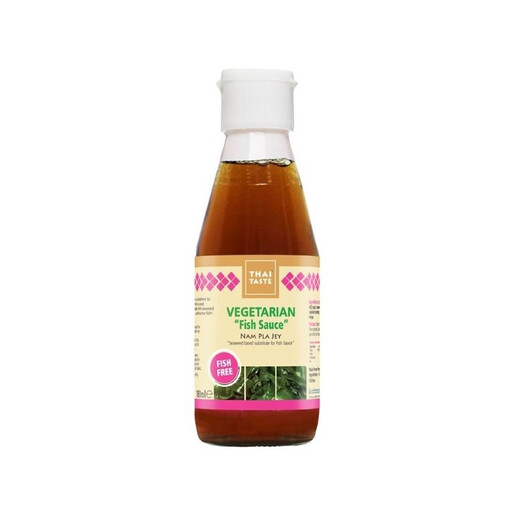
Why This Fits Their Persona: For those following a vegan diet, replicating the unique savoury depth of Thai cuisine can be difficult as fish sauce is a core ingredient. This product is designed specifically to fill that gap, making it possible to create authentic-tasting curries, salads and dipping sauces.
It directly solves the problem of finding a plant-based alternative, avoiding the pitfall of having to omit a key flavour component or use a poor substitute like soy sauce, which has a different profile.
This is a purpose-built vegan cooking sauce. It uses soybean protein to mimic the salty, pungent and umami notes of traditional fish sauce, making it a vital pantry staple for plant-based Thai cooking.
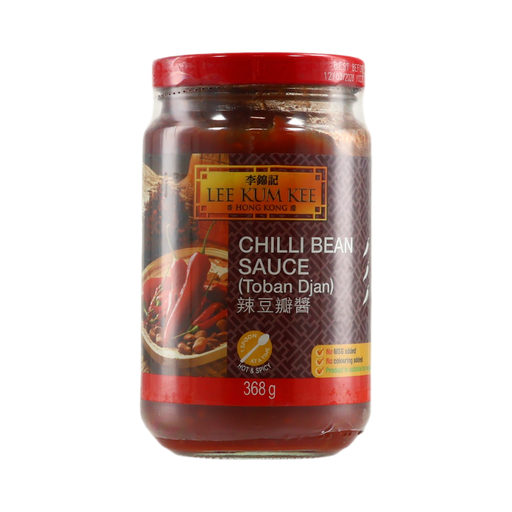
Why This Fits Their Persona: For the cook who has mastered basic stir-fries and wants to tackle regional Chinese cuisine, particularly from Sichuan. This sauce is the heart and soul of dishes like Mapo Tofu and Kung Pao Chicken, providing a flavour that no other chilli sauce can replicate.
This is a highly specific regional ingredient, not a generic hot sauce. It avoids the trap of using a simple chilli sauce and wondering why the dish tastes flat. The flavour comes from fermented broad beans, which adds immense savoury depth alongside the heat.
Delivers the authentic, pungent and savoury heat of Sichuan cuisine. It's a concentrated paste, so a little goes a long way, and it forms a flavour base rather than just a topping.
We have compiled a complete, real-time list of products that fully satisfy these strict selection criteria and UK safety regulations.
Most fermented sauces like soy sauce, oyster sauce and chilli bean paste are high in salt, which acts as a natural preservative. While they can be stored in a cool, dark cupboard, refrigeration is generally recommended after opening. This helps preserve their flavour and quality for several months. Always check the storage instructions on the bottle.
It is not advisable to substitute them one-for-one. Light soy sauce's primary role is to add salty, umami flavour. Dark soy sauce is used mainly for adding a rich, dark colour and a milder, slightly sweeter taste. Using light soy sauce in place of dark will result in a pale, saltier dish. Using dark in place of light will make the dish much darker and potentially less salty than intended.
Absolutely. Many people require gluten free sauces due to coeliac disease or sensitivity. Traditional soy sauce is brewed with wheat. The most common gluten-free alternative is Tamari, a Japanese soy sauce typically made with little to no wheat. Many brands, such as Lee Kum Kee, also produce specifically labelled gluten-free soy sauces that use alternative ingredients to achieve a similar flavour profile. Always check the ingredients list for "wheat" to be sure.