
24/7 Customer Support

Free returns

Same-day & Next-day Delivery

Quality Guaranteed

Unlock Your Welcome Offers: FREE Delivery | Up to 80% OFF | Free 30-day JoyPlus trial
Download the APP
Navigating the world of authentic Asian cooking sauces can feel overwhelming. The aisles, both physical and virtual, are filled with jars and bottles promising genuine flavour, but it's easy to end up with a pantry full of products that don't quite deliver. Many home cooks in the UK find themselves disappointed by sauces that are either too generic, overly sweet or simply the wrong ingredient for the dish they hoped to create.
As the Joybuy Product Recommendation Officer, my role is to help you sidestep these common issues. Let's look at the frequent pitfalls and how to choose the right sauces to bring the vibrant, complex flavours of East Asian cuisine into your kitchen.
To avoid these traps, focus on a few core parameters. This will empower you to select products that offer both authentic flavour and good value.
The soul of many iconic Chinese pastes and Korean sauces is fermentation. This process creates a depth of flavour—a rich, savoury umami—that cannot be replicated with simple salt and spice.
Not all chilli sauces are created equal. The type of chilli, its preparation and accompanying ingredients define its use.
A quick scan of the ingredients can tell you a lot. Look for sauces where the main flavouring agent (e.g., soybeans, broad beans, chillies) is listed first. Be wary of products where water, sugar or corn syrup are the primary ingredients, as these are often used as fillers that dilute the authentic taste.
Instead of a generic list, we've matched our recommendations to different types of home cooks. This helps ensure the product you choose fits your specific needs and cooking style.

Why This Fits Their Persona: For those new to cooking with Asian condiments, this sauce is an excellent starting point. It's incredibly versatile, adding a balanced spicy and garlicky kick to everything from noodle dishes and stir-fries to a simple dip for spring rolls. It provides a clear flavour profile without being overpowering.
This is a specific chilli garlic sauce, not a generic "Asian" sauce. The 368g jar also offers much better value than small, premium-priced jars, making it practical for regular use.
Made with 59% salted chilli peppers, ensuring a robust flavour. It's ready-to-use and requires no additional preparation.

Why This Fits Their Persona: If you're determined to make authentic Mapo Tofu or other classic Sichuan dishes, you need the right foundational ingredient. This premium grade Pixian Sichuan broad bean paste is exactly that. Its flavour is complex, savoury and irreplaceable.
This is the antithesis of a generic sauce. It's a specific, traditionally fermented product from a time-honoured brand, ensuring you avoid the trap of using a mislabelled or unsuitable chilli sauce.
Provides the essential savoury and aromatic core flavour for Sichuan cuisine. Made through traditional fermentation for authentic depth.
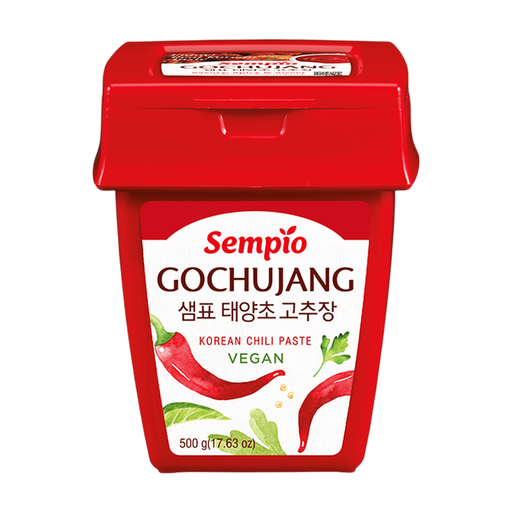
Why This Fits Their Persona: For anyone serious about making Korean food, from Tteokbokki to Kimchi Jjigae, Gochujang is non-negotiable. This paste from Sempio provides the iconic sweet, savoury and spicy flavour that is the backbone of countless Korean sauces and dishes.
This is a genuine fermented bean paste with chilli, not a simple spicy sauce. It delivers the complex umami that generic sauces lack, and the 500g tub is practical for those who cook Korean food regularly.
Made from fermented rice and soybean paste for a deep, complex flavour. It is highly versatile for marinades, stews and dipping sauces.
We have compiled a complete, real-time list of products that fully satisfy these strict selection criteria and UK safety regulations.
This depends on the type of sauce. High-salt, fermented bean paste products like doubanjiang or Japanese miso paste are very stable and can last for many months, if not longer, when stored correctly in the refrigerator. Sauces with a higher water content or fresh ingredients should be consumed more quickly, typically within a few weeks to a month. Always check the packaging for specific storage advice.
While you can, it will dramatically change the outcome of your dish. For example, substituting Sichuan broad bean paste with Korean doenjang in a recipe will result in a completely different flavour profile. The former is spicy and salty, while the latter is purely savoury and earthy. For authentic results, it is always advisable to use the specific paste a recipe calls for.
Gochujang is a fundamental Korean chilli paste, forming the spicy and savoury base for many dishes. Ssamjang is a ready-to-eat dipping sauce that uses Gochujang as an ingredient, but also includes doenjang (soybean paste), garlic, sesame oil and other seasonings. Ssamjang is milder, nuttier and specifically designed for use in lettuce wraps (ssam).