
24/7 Customer Support

Free returns

Same-day & Next-day Delivery

Quality Guaranteed

Unlock Your Welcome Offers: FREE Delivery | Up to 80% OFF | Free 30-day JoyPlus trial
Download the APP
As a Joybuy Product Recommendation Officer, my role is to help you navigate the crowded shelves and find products that deliver on their promise. When it comes to Asian cooking sauces, the choice can be overwhelming, and it's easy to end up with a cupboard full of bottles that don't quite hit the mark. The goal is to find that perfect sauce that transforms your home-cooked meal from good to great, without the guesswork.
Many of us have been there: you buy a sauce labelled "authentic" only to find it tastes nothing like the dish you remember from your favourite restaurant or holiday. Or you purchase a "multi-purpose" stir-fry sauce that's too watery to coat your noodles properly. These common issues can make your culinary adventures frustrating. Let's look at the key pitfalls to avoid.
stir fry sauce, but its consistency or flavour profile makes it unsuitable for much else. A thin, sugary sauce won't work as a glaze, and a potent, salty paste can't be used as a simple dipping sauce without dilution, leading to wasted product.Chinese cooking sauces and Southeast Asian condiments frequently contain allergens like shellfish, fish, gluten and soy. Finding a vegetarian oyster sauce or a gluten-free hoisin that still delivers a rich umami punch can be a significant challenge, with many alternatives falling flat on flavour.To ensure you're buying a sauce that will become a staple in your kitchen, it's crucial to look past the marketing and analyse a few core parameters.
The foundation of any great sauce is its base. Understanding this will help you match the sauce to your intended dish.
Chinese cooking sauces. Hoisin sauce, for example, is a thick, fragrant sauce made from fermented soybean paste, garlic, vinegar and sugar, giving it a sweet and savoury profile ideal for glazes and dips. Chu Hou paste is another fermented soybean sauce, but it's more savoury and primarily used for braising meats like beef and duck.noodle sauce.The texture of a sauce dictates its function. Before you buy, think about how you plan to use it.
stir fry sauce needs to have enough body to coat vegetables, meat or tofu without turning watery in the wok. Look for ingredients like modified corn starch or a naturally thick base (like soybean paste) which helps the sauce cling to your ingredients.noodle sauce base can be more concentrated as it will be diluted in broth or with other liquids.We've filtered through the options to match specific sauces with different cooking styles and needs.
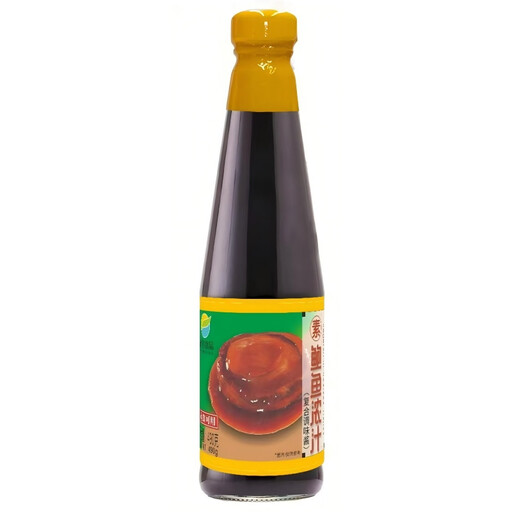
Why This Fits Their Persona: For UK home cooks following a vegetarian or vegan diet, finding a rich, savoury sauce to replace oyster sauce is a common challenge. This sauce is an excellent solution, providing that deep umami flavour needed for authentic-tasting stir-fries and braised dishes without any animal products.
It directly solves the "Hidden Dietary Hurdles" pitfall. Instead of just removing the oyster and leaving a flavour gap, it builds a new umami base from natural kelp, seaweed and mushroom extracts, creating a convincing and delicious vegetarian oyster sauce alternative.
Its primary advantage is its versatility. It can be used as a direct 1:1 replacement for oyster sauce in any recipe, from stir-frying greens to seasoning tofu and making dipping sauces.
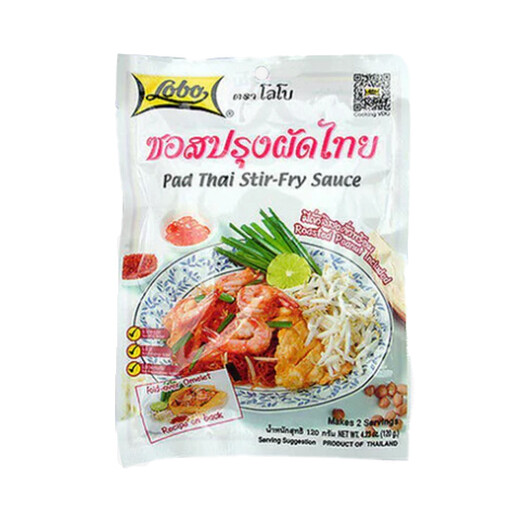
Why This Fits Their Persona: For those in the UK who love the taste of Pad Thai but are short on time, this sauce mix is a perfect shortcut. It removes the need to source and balance multiple ingredients like tamarind paste, fish sauce and palm sugar, offering a quick and convenient path to a delicious meal.
This product avoids the "Authentic Flavour" trap by providing a well-balanced Pad Thai sauce base from a Thai brand. It even includes a separate sachet of crushed peanuts, a small detail that makes a big difference in authenticity and texture.
Its main advantage is convenience without major compromise. The packet contains everything needed for the sauce, serves two people and has clear instructions, making it an ideal solution for a quick, flavourful dinner.
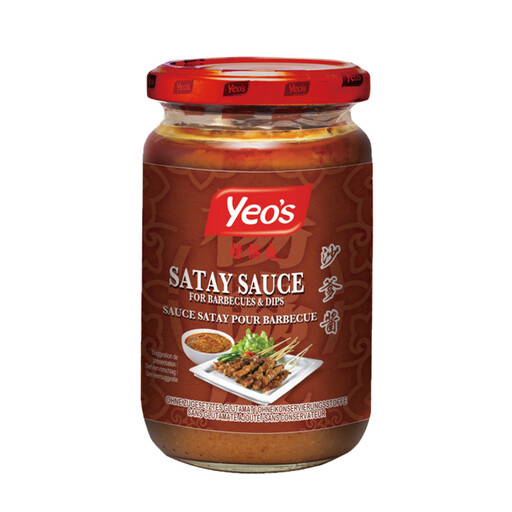
Why This Fits Their Persona: This cook wants to replicate a specific, beloved dish at home—in this case, Malaysian satay. They are looking for a dedicated sauce that captures the authentic street-food flavour, rather than a generic "peanut sauce".
It avoids the "Versatility Myth" by being unapologetically specialised. This is a proper satay sauce, not a general-purpose condiment. Its ingredient list, including coconut cream, tamarind and lemongrass, points to an authentic Malaysian profile, ensuring it delivers the expected taste.
The key advantage is its authentic, complex flavour profile. It's ready to use as a dipping sauce for grilled meats or can be used as a flavourful base for a satay-style stir-fry, providing a genuine taste of Malaysian cuisine with minimal effort.
We have compiled a complete, real-time list of products that fully satisfy these strict selection criteria and UK safety regulations.
Here are answers to a few common queries UK home cooks have about authentic Asian sauces UK.
Most shelf-stable sauces, like soy sauce, hoisin or oyster sauce, will last for several months in the refrigerator after opening. However, it's always important to check the label. Sauces with fresh ingredients, fewer preservatives or those sold in pouches may have a much shorter life—sometimes just a few days. To maintain quality, always store them in the fridge with the lid tightly sealed.
It depends on the sauce. A thick, flavourful stir fry sauce can often double as a quick marinade, especially for thinly sliced meats that will be cooked shortly after. However, very sweet sauces may burn during high-heat cooking, and very salty sauces might over-cure the meat if left for too long. For best results, look for sauces specifically labelled for both uses or stick to dedicated marinades for longer marinating times.
The most common and effective substitute is a mushroom-based vegetarian oyster sauce. These sauces are specifically designed to replicate the umami depth and thick consistency of traditional oyster sauce using ingredients like shiitake or oyster mushroom extracts. They are an excellent way to add savoury flavour to vegetarian stir-fries, noodle dishes and braises.