
24/7 Customer Support

Free returns

Same-day & Next-day Delivery

Quality Guaranteed

Unlock Your Welcome Offers: FREE Delivery | Up to 80% OFF | Free 30-day JoyPlus trial
Download the APP
As a Joybuy Product Recommendation Officer, I see many UK home cooks venturing into the vibrant world of Asian cuisine. The right sauce is the heart of any authentic dish, but the supermarket aisle can be a confusing place. A bottle labelled "authentic" might deliver a flat, overly sweet taste, while a generic "stir-fry sauce" can leave your pad Thai tasting disappointingly bland.
Navigating the world of Asian cooking sauces shouldn't be a gamble. To help you get the flavours you're looking for, we've identified the common pitfalls to avoid and the key factors to check before you buy.
Many shoppers find their homemade dishes lack the punch of their favourite restaurant meals, and the sauce is often the culprit. Here are the main reasons why:
To ensure you're buying a product that delivers genuine flavour, focus on these three practical checks.
The label is your most reliable guide. For foundational sauces, the main ingredient should be listed first or second.
Not all Asian condiments are created equal. Knowing their purpose will help you build a versatile pantry.
While not a foolproof method, the country of origin often points towards a more traditional recipe. A fish sauce from Thailand or Vietnam, a kecap manis from Indonesia, or a satay sauce from Malaysia is more likely to be formulated for a local palate, offering a taste closer to the source.
Based on these criteria, we've matched some excellent options to different types of home cooks.
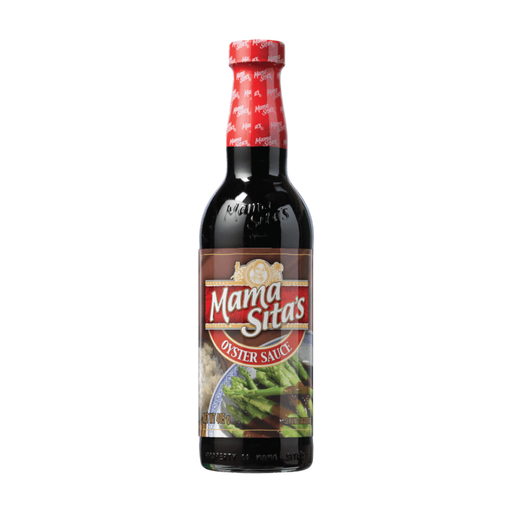
Why This Fits Their Persona: Perfect for those new to Asian cooking, this oyster sauce is incredibly versatile. It provides a rich, savoury flavour for stir-fries and marinades without being overly specialised or intense, making it a forgiving and reliable pantry staple.
It avoids the "generic stir-fry sauce" pitfall by offering a specific, authentic Filipino flavour profile based on an heirloom recipe, with real oyster extract listed as a key ingredient.
A balanced blend of umami and sweetness that enhances dishes without overpowering them. Its thick consistency is ideal for coating vegetables and meats.
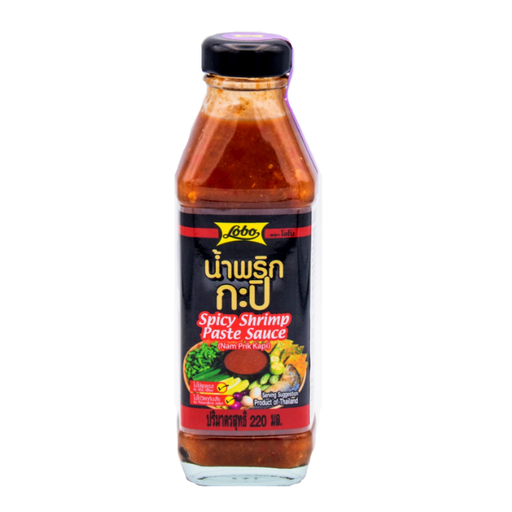
Why This Fits Their Persona: For the cook seeking uncompromising Thai flavours, Nam Prik Kapi is a must-have. It's not a generic sauce but a specific, pungent and complex condiment that is central to traditional Thai dining, often served with vegetables and fish.
This sauce directly counters the "inauthentic ingredients" trap. It is made in Thailand following an authentic recipe, with shrimp paste (22%) and dried shrimps (7%) high on the ingredient list, ensuring a genuine, pungent flavour.
Delivers a complex balance of spicy, salty and sour notes that is difficult to replicate from scratch. It's also Halal-certified and contains no added MSG.
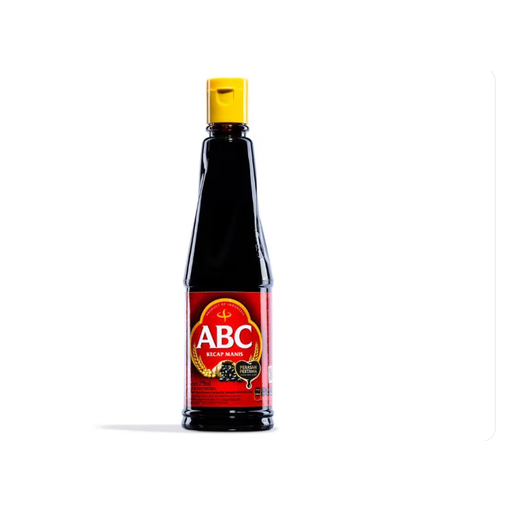
Why This Fits Their Persona: Anyone who loves the rich, sweet and sticky glazes of Indonesian cuisine (like satay or nasi goreng) needs authentic kecap manis. This is the definitive sweet soy sauce for achieving that signature flavour.
This product is made in Indonesia and uses palm sugar, the crucial ingredient for authentic flavour, avoiding the common pitfall of substituting with cheaper sweeteners that only provide a flat, sugary taste.
It has a thick, syrupy consistency perfect for glazing and marinating. The flavour is a deep, complex sweetness with a savoury soy backbone.
We have compiled a complete, real-time list of products that fully satisfy these strict selection criteria and UK safety regulations.
Most sauces like soy sauce, fish sauce and oyster sauce are high in salt, a natural preservative. Once opened, they should be tightly sealed and stored in the refrigerator, where they can last for several months to a year. Creamy sauces like satay or those containing mayonnaise should be consumed more quickly, typically within 4-8 weeks. Always check the label for specific storage instructions.
While both provide umami, they are not direct substitutes. Fish sauce is thin, watery, and intensely salty with a pungent, fermented fish flavour. It's used like salt to season an entire dish. Oyster sauce is thick, slightly sweet, and has a milder, more rounded savoury flavour. It's used more as a finishing sauce or in stir-fries to add flavour, colour and a glossy texture. Using one for the other will significantly change your dish's final taste and consistency.
For a versatile starting kit, consider these three: