
24/7 Customer Support

Free returns

Same-day & Next-day Delivery

Quality Guaranteed

Unlock Your Welcome Offers: FREE Delivery | Up to 80% OFF | Free 30-day JoyPlus trial
Download the APP
Asian cooking sauces and seasoning mixes can make weekday meals much easier, but the label does not always tell you how a product will perform in your kitchen. A paste designed for a curry may need coconut milk, a marinade may contain considerable sugar or salt, and a dry seasoning mix may require additional preparation rather than being ready to eat.
As the Joybuy Product Recommendation Officer, I focus on practical details that help UK shoppers compare products without relying on exaggerated packaging claims.
Many curry pastes, marinades and seasoning mixes require cooking. For example, Thai curry paste is usually fried briefly before coconut milk and other ingredients are added. Some meat marinades must be cooked thoroughly, while dry mixes may need to be dissolved in water or combined with oil.
Check the usage instructions before buying. A product described as “ready to use” may still need to be heated as part of the finished dish.
Marketing language can be broad. The more useful information is the ingredient list, country of origin, preparation method and heat profile. A Malaysian rendang paste containing coconut, galangal and lemongrass will offer a different cooking experience from a generic curry sauce. Similarly, a Korean marinade may be sweet and chilli-led, while a Japanese teriyaki marinade is generally soy-based with a sweet-savoury profile.
Asian sauces and seasoning mixes commonly contain or may contain soy, wheat, sesame, peanuts, crustaceans, fish or milk. Always read the current packaging, particularly if cooking for guests.
Salt levels can also vary significantly. For example, the listed nutrition information for Kikkoman Teriyaki Marinade shows 10g of salt per 100ml, while Nan De Seasoning for Cold Dishes lists 48.8g per 100g. These products are concentrated ingredients, so compare serving guidance rather than judging by pack size alone.
Once opened, many wet products need refrigeration. Dry mixes should be kept sealed in a cool, dry place to prevent clumping and loss of aroma.
Choose according to the meal you actually plan to cook:
Look for the stated quantity of meat, fish or vegetables the pack is intended to season. This gives a more realistic view of value than comparing net weight alone.
Chilli strength is not always displayed consistently. Ingredients such as chilli powder, green pepper, red pepper paste and oleoresin capsicum can indicate heat, while sugar, fruit extracts or coconut ingredients may create a sweeter profile.
For a mild starting point, consider a tandoori marinade or teriyaki-style sauce. Those seeking stronger flavours may prefer a hot Korean marinade, Sichuan fish seasoning or a concentrated Thai curry paste. You can usually reduce the amount used, but adding heat after cooking is easier than correcting an overly spicy dish.
Check the label for bold allergens and cross-contact warnings. Examples from the listed products include:
Do not assume that a product is vegetarian, vegan or gluten-free based only on the dish name. Confirm the current ingredient information before serving.
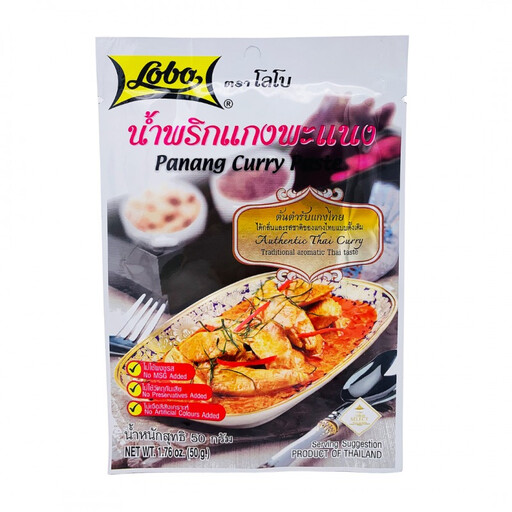
Why This Fits Their Persona: A compact pack suits shoppers trying Thai-style cooking without committing to a large jar. It can be mixed with coconut milk or broth and used with meat or vegetables.
The stated 50g quantity and simple preparation instructions make it easier to plan one cooking occasion and avoid unused paste.
Made in Thailand; suitable for curry, stir-fries or marinades; contains wheat, soy, milk and sesame.
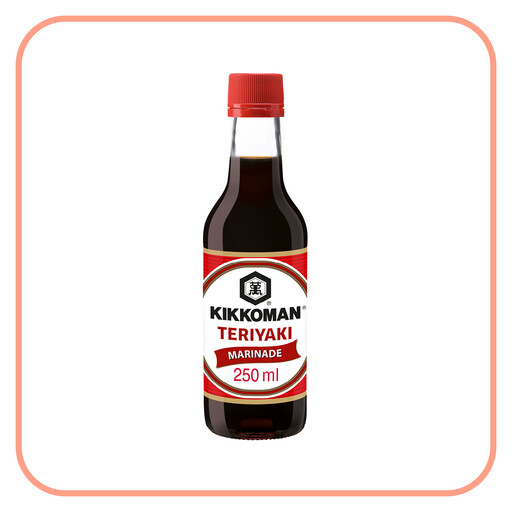
Why This Fits Their Persona: This ready-made Japanese-style marinade is suited to cooks wanting a consistent soy-based glaze for meat, vegetables or seafood.
The bottle gives clear uses including marinating, stir-frying, braising and dipping, rather than limiting shoppers to one recipe.
250ml bottle; soy sauce base; suitable for grilling, pan-frying, baking or dipping. Refrigerate after opening.
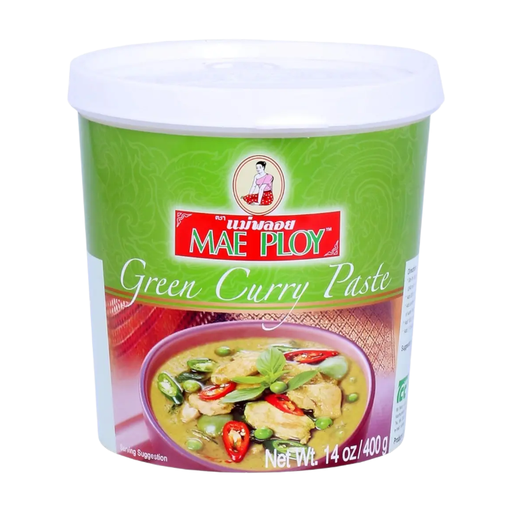
Why This Fits Their Persona: The larger jar is practical for households cooking Thai green curry regularly or using curry paste in soups, noodles, stir-fries and marinades.
The label specifies a measured method using paste, coconut milk, protein and vegetables, helping frequent users portion a concentrated ingredient.
400g jar; made in Thailand; includes green chilli, lemongrass, garlic and galangal; contains shrimp.
Other options include Malaysian rendang paste for slow-simmered dishes, Filipino adobo mix for a dry garlic-led marinade, satay seasoning mix for peanut-based sauce and tandoori marinade for yoghurt-based cooking. For specific fish dishes, compare Sichuan fish seasoning products and their included starch or garnish sachets.
We have compiled a complete, real-time list of products that fully satisfy these strict selection criteria and UK safety regulations.
It depends on the product. Refrigerate wet sauces and pastes after opening, keep the lid tightly closed and follow the packaging guidance. Dry seasoning mixes generally keep in a cool, dry cupboard, but should be resealed promptly.
Only if the packaging says it is suitable for dipping or if it has been cooked separately. Do not reuse marinade that has touched raw meat or fish without boiling it thoroughly.
Some are, but not all. Check for shrimp paste, fish, oyster ingredients, dairy, meat flavourings and allergen warnings. Curry pastes containing crustaceans are not suitable for people avoiding shellfish, even when used with vegetables.