
24/7 Customer Support

Free returns

Same-day & Next-day Delivery

Quality Guaranteed

Unlock Your Welcome Offers: FREE Delivery | Up to 80% OFF | Free 30-day JoyPlus trial
Download the APP
Recreating the vibrant, complex flavours of your favourite Asian restaurant dishes at home can feel like a challenge. The supermarket aisle presents a dizzying array of bottles, all promising an "authentic" taste. Yet, many home cooks find their stir-fry tastes flat, or their sweet and sour sauce is nothing more than a sugary syrup. As a Joybuy Product Recommendation Officer, my role is to help you navigate this landscape and choose the right sauces that deliver genuine flavour without the guesswork.
Before you add another bottle to your basket, let's look at the common pitfalls that can lead to a disappointing meal and a wasted purchase.
To avoid these traps, focus on a few key details on the ingredient list. Understanding these will empower you to select sauces that truly perform in the kitchen.
The core ingredient dictates the sauce's flavour profile and its proper culinary use. Look for these foundations:
The consistency and flavour concentration of a sauce determine its role in your cooking process.
To help you choose, we've matched some standout options to different cooking styles and needs.
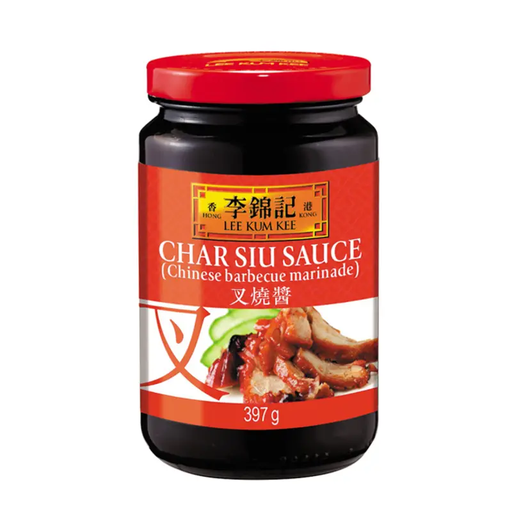
Why This Fits Their Persona: Ideal for the UK home cook who loves Cantonese-style barbecue pork but is intimidated by the long list of ingredients. This sauce simplifies the process down to a single bottle for marinating and glazing.
This is not a generic "all-purpose" sauce. It is specifically formulated for Char Siu, delivering the authentic sweet and savoury profile that a general stir-fry sauce cannot replicate.
A convenient, all-in-one marinade and glaze from a trusted brand. Its base of fermented bean paste and honey provides a genuine, complex flavour.
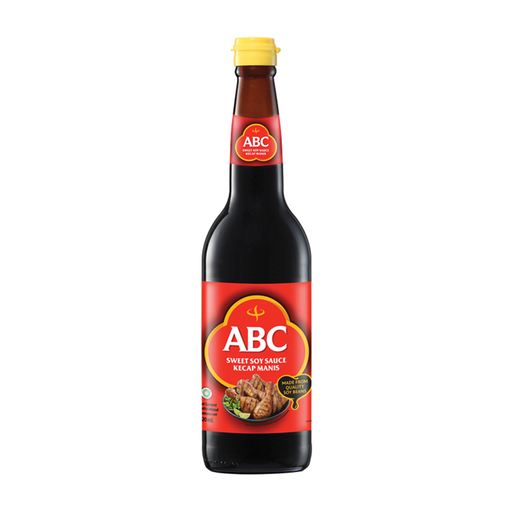
Why This Fits Their Persona: For the cook dedicated to recreating authentic Indonesian dishes like Nasi Goreng or satay. This is a non-negotiable pantry staple that cannot be substituted with other soy sauces.
It sidesteps the "authentic label illusion" by using its defining ingredient: sun-dried palm tree sugar. This gives it the genuine molasses-like sweetness and aroma that imitations lack.
Provides the essential sweet and savoury base for a wide range of Indonesian cuisine. Its thick, syrupy texture is perfect for glazes and marinades.
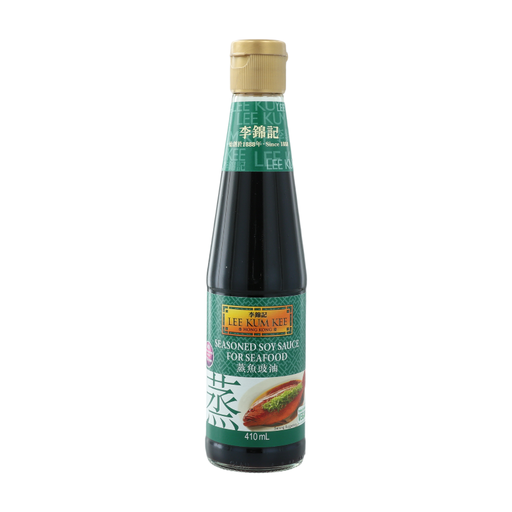
Why This Fits Their Persona: Perfect for those who regularly cook fish and want to replicate the classic Cantonese steamed fish dish served in restaurants. It's a specialised tool for a specific, delicate task.
This directly counters the "one-sauce-fits-all" pitfall. Using a standard dark soy sauce would overwhelm delicate seafood; this seasoned soy sauce is specifically balanced to enhance it.
A ready-to-use finishing sauce that requires no additional mixing. Simply heat and pour over steamed fish for a professional-quality result.
After crafting the perfect savoury dish with these authentic sauces, you might be thinking about a sweet finish. Many traditional Asian meals are completed with light, flavourful desserts that offer a delightful contrast.
We have compiled a complete, real-time list of products that fully satisfy these strict selection criteria and UK safety regulations.
1. How long do Asian cooking sauces last after opening? Most shelf-stable sauces, particularly those high in salt, sugar or vinegar like soy sauce or sweet and sour sauce, can last for several months when stored properly in the refrigerator. Always check the manufacturer's instructions on the label, as sauces with fresh ingredients or lower preservative levels may have a shorter lifespan of a few weeks.
2. Can I use char siu sauce for anything other than pork? Absolutely. While traditionally used for pork, char siu sauce is a wonderfully versatile marinade. Its sweet and savoury profile works exceptionally well with chicken thighs, duck and even firm tofu or ribs. It's excellent for roasting, grilling or air-frying.
3. What is the difference between regular soy sauce and seafood soy sauce? The primary difference is in the flavour profile and intensity. A regular or dark soy sauce is typically saltier, darker and has a more robust, overpowering flavour. A seafood soy sauce is specifically formulated to be lighter in colour, less salty and often slightly sweeter. This allows it to complement the delicate taste of fish and seafood without masking its natural flavour, making it the preferred choice for steamed fish dishes.