
24/7 Customer Support

Free returns

Same-day & Next-day Delivery

Quality Guaranteed

Unlock Your Welcome Offers: FREE Delivery | Up to 80% OFF | Free 30-day JoyPlus trial
Download the APP
Choosing an Asian cooking starch is not simply a matter of picking the largest bag or the lowest price. Corn starch, potato starch, tapioca starch and rice starch behave differently when heated, fried or baked. Selecting the wrong one can leave a sauce lumpy, a coating soft or a pastry with an unexpected texture.
This guide explains the practical differences and highlights suitable options for UK home cooks, bakers, Asian cuisine enthusiasts and foodservice buyers.
In the UK, cornflour usually refers to finely milled corn starch used for thickening and cooking. It is different from cornmeal or maize flour, which contain more of the whole grain and produce a different texture.
Likewise, tapioca starch and cassava starch generally refer to starch derived from cassava root. However, always check the ingredient list rather than relying only on front-of-pack wording.
A thickening agent that creates a glossy Chinese-style sauce may not give the same result in a baked dessert. Potato starch, for example, is commonly selected for sauces, velveting and crisp coatings, while rice starch is associated with rice cakes, sponge cakes and traditional desserts.
Using too much starch can also produce a pasty or overly firm result. A small test batch is sensible when adapting a recipe.
Starch is usually sold as a dry powder, but it absorbs moisture readily. A large pack may offer a lower cost per 100g yet become lumpy or stale if left open in a humid cupboard.
For occasional cooking, 200g–300g packs can be easier to manage. Regular cooks, bakers and foodservice users may find 400g–500g packs more practical, provided the product can be sealed securely after opening.
Look for a clearly stated ingredient, such as corn starch 100%, potato starch or tapioca starch. Products listed as gluten-free cooking ingredients should still be checked for their packaging and allergen information, particularly if they will be prepared for someone with coeliac disease or a diagnosed allergy.
The products featured below list single starch ingredients or identify their allergen position. For strict dietary requirements, check the current packaging and manufacturer information before purchase.
Choose according to the result you want:
For thickening, first mix the starch with cold water to create a slurry. Add this to hot liquid while stirring. Adding dry starch directly to a hot sauce is more likely to create lumps.
Check the net quantity, best-before information and storage instructions. Keep opened starch in a cool, dry place away from direct sunlight, ideally in an airtight container. Do not use raw starch directly; follow the recipe and cook it thoroughly.
The following products suit different shopping needs rather than one universal cooking style.
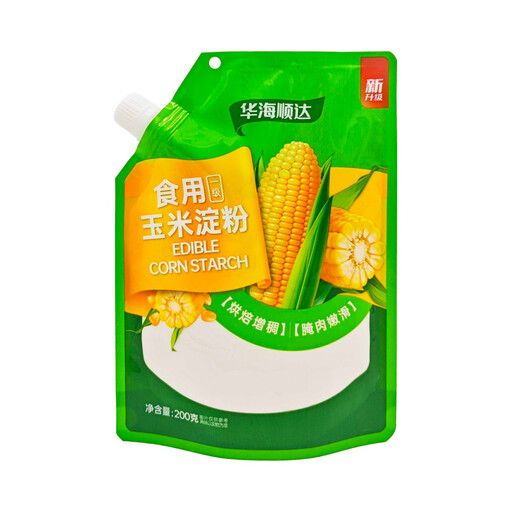
Why This Fits Their Persona: The 200g pack is a manageable starting point for UK cooks trying sauces, soups, deep-fried coatings or pastry recipes without committing to a larger quantity.
The ingredient is identified as 100% corn starch, reducing uncertainty caused by vague “multi-purpose flour” labelling.
Fine powder; dispensing spout; suitable for thickening, frying and baking.
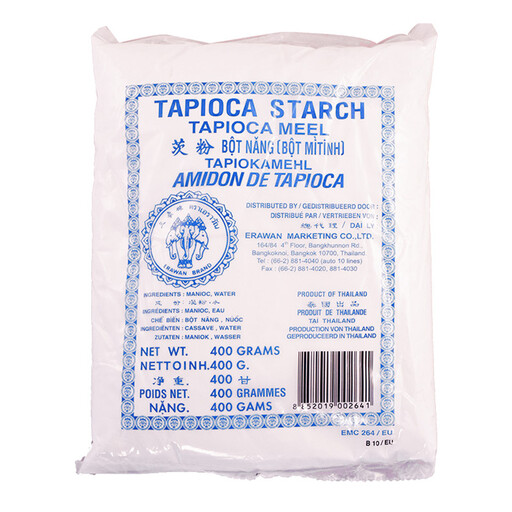
Why This Fits Their Persona: A 400g pack suits cooks who regularly prepare chewy desserts, translucent dumplings, sauces or gluten-free baking recipes.
It is clearly described as tapioca starch derived from cassava, rather than a blend with undisclosed flour.
400g quantity; 100% tapioca starch; listed as allergen-free; suitable for binding and textural recipes.
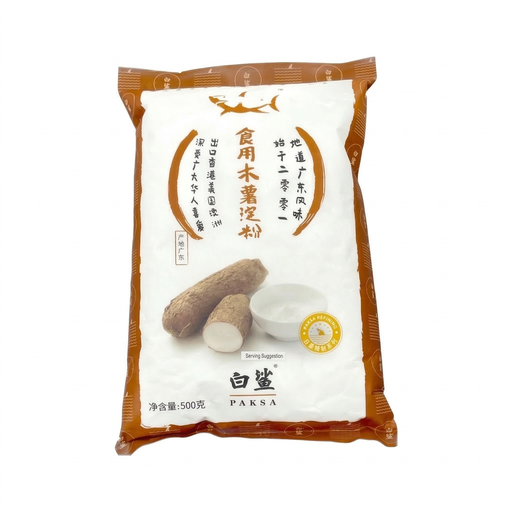
Why This Fits Their Persona: The 500g pack is suitable for frequent family cooking, foodservice preparation and recipes that use cassava starch for sauces, marinades, desserts and Chinese pastries.
The product specifies cassava starch as the sole ingredient and provides storage guidance to help limit moisture-related clumping.
500g net quantity; fine powder designed to dissolve in water; suitable for thickening and dessert preparation.
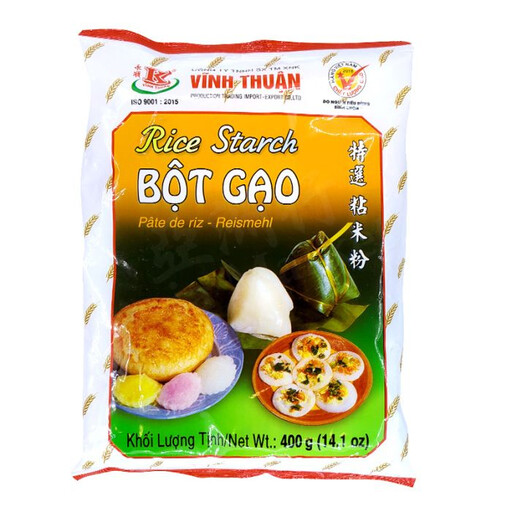
Why This Fits Their Persona: This option is aimed at shoppers making rice-based desserts, savoury radish cakes, sponge cakes and other Asian baking recipes.
The pack identifies rice starch at 100%, helping buyers distinguish it from rice flour or mixed baking flour.
400g pack; neutral rice composition; suitable for sweet and savoury recipes; allergen information is provided.
We have compiled a complete, real-time list of products that fully satisfy these strict selection criteria and UK safety regulations.
For a smooth sauce, combine starch with a small amount of cold water before adding it to the pan. Heat gently while stirring and stop once the desired thickness is reached. Overheating can affect texture, particularly with some potato and tapioca preparations.
For starch for frying, coat food evenly and remove excess powder before placing it into hot oil. Moisture, oil temperature and coating thickness all influence crispness, so follow the recipe’s instructions rather than treating every starch as interchangeable.
Store the unopened or opened pack in a dry cupboard. Seal it after every use and discard it if it develops an unusual smell, visible mould or persistent damp clumps. Raw culinary starch should not be eaten directly; it requires cooking as part of a recipe.
Not always. In the UK, cornflour generally means corn starch, but Asian cooking starch is a broader category that also includes potato, tapioca, cassava, sweet potato and rice starch. Check the ingredient name and intended use before buying.
Single-ingredient corn starch, potato starch, tapioca starch, cassava starch, sweet potato starch and rice starch may be suitable gluten-free cooking ingredients. However, check the label for allergen and cross-contamination information if this is important for your diet.
The exact shelf life depends on the packaging and best-before date. When kept sealed in a cool, dry cupboard, dry starch can remain usable until that date. Moisture is the main storage problem, so transfer an opened pack to an airtight container and use a clean, dry spoon.