
24/7 Customer Support

Free returns

Same-day & Next-day Delivery

Quality Guaranteed

Unlock Your Welcome Offers: FREE Delivery | Up to 80% OFF | Free 30-day JoyPlus trial
Download the APP
Navigating the aisle for Asian cooking wine and vinegar can feel overwhelming. With dozens of bottles labelled with similar names, it is easy to grab the wrong one and find your homemade stir-fry or dipping sauce tastes nothing like it should. Many UK home cooks find themselves with a pantry full of condiments that don't quite deliver, often due to a few common but easily avoidable pitfalls.
As the Joybuy Product Recommendation Officer, my role is to help you see past the marketing jargon and make informed choices. Before you add another bottle to your basket, let's look at the frequent missteps that lead to disappointing dishes and wasted money.
To ensure you get the right product for your culinary adventures, focus on these three core parameters. They are the key to unlocking authentic flavours in your kitchen.
The foundation of any vinegar or cooking wine is what it's made from. This determines its core flavour profile.
Beyond the base ingredient, the final taste is shaped by its acidity and any added seasonings. A label might state the total acidity (e.g., 5%), but the perceived taste is what matters. Is it sharp and tangy or mellow and aromatic? For instance, a dedicated Japanese sushi vinegar is not just vinegar; it is a balanced blend of vinegar, sugar and salt, creating a gentle tang that seasons rice perfectly without overpowering it. In contrast, a red vinegar might have a subtle sweetness that works well in sweet and sour dishes.
Finally, consider the primary role of the ingredient in your recipe.
To help you choose with confidence, we have matched some reliable options to common cooking needs.

Why This Fits Their Persona: For anyone serious about making an authentic dumpling dipping sauce or a dressing for cold noodles, this is the go-to. Its complex, malty flavour is what defines those dishes, providing a depth that a simple vinegar cannot match.
This is a Protected Geographical Indication (PGI) product. This avoids the pitfall of buying a generic "black vinegar" that lacks the authentic, mellow character of true Zhenjiang vinegar.
Made from glutinous rice using traditional solid-state fermentation, it delivers a rich, well-balanced sourness with a distinct aroma.

Why This Fits Their Persona: Perfect for those starting their sushi-making journey in the UK. It removes the guesswork of balancing vinegar, sugar and salt, which is crucial for achieving authentic-tasting sushi rice.
This is a purpose-built seasoning, preventing the common mistake of using plain rice vinegar and ending up with rice that is bland or overly acidic. It ensures consistency every time.
A convenient, ready-to-use liquid that provides the perfect balance of sweet, sour and salty flavours for authentic Japanese sushi vinegar.
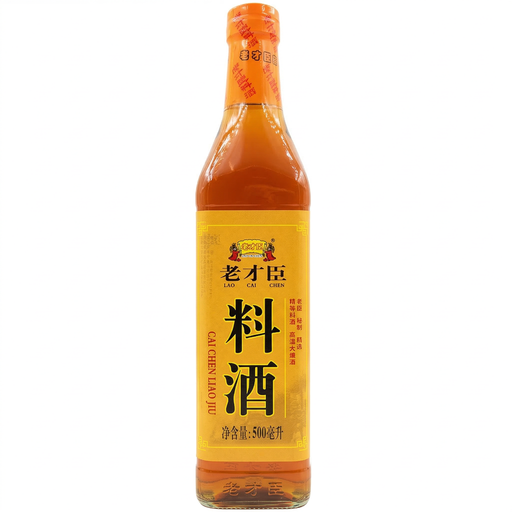
Why This Fits Their Persona: This is a foundational ingredient for anyone regularly cooking Chinese food. It is the key to removing the "fishy" or "gamey" taste from meats and seafood, adding that characteristic aroma to stir-fries and marinades.
This is a dedicated cooking wine, not a drinking wine. It avoids the mistake of using a beverage wine, which would add the wrong kind of sweetness and lack the savoury, salty notes needed for cooking.
Brewed from rice with a mellow aroma, it is specifically designed to remove odours and enhance flavour. The 0% fat formula makes it a versatile kitchen staple.
We have compiled a complete, real-time list of products that fully satisfy these strict selection criteria and UK safety regulations.
1. What is the difference between Chinese black vinegar and rice vinegar? The main differences are the ingredients, ageing process and flavour. Rice vinegar is made from rice, is unaged, and has a light, sharp and clean taste. Chinese black vinegar is made from grains like sorghum, wheat and glutinous rice, is aged for months or years, and has a dark, complex, malty and slightly sweet flavour. Use rice vinegar for brightness and pickling, and black vinegar for rich dipping sauces and braises.
2. Can I use regular rice wine instead of Shaoxing cooking wine? It is not recommended for authentic Chinese cooking. Shaoxing cooking wine contains salt and has a specific flavour profile developed for culinary use, particularly for removing odours from meat and adding a savoury depth. Regular drinking rice wine (like sake or mijiu) is much sweeter and lacks the complex, savoury notes, which can negatively alter the taste of your dish.