
24/7 Customer Support

Free returns

Same-day & Next-day Delivery

Quality Guaranteed

Unlock Your Welcome Offers: FREE Delivery | Up to 80% OFF | Free 30-day JoyPlus trial
Download the APP
From the fiery kick of Sichuan peppercorns to the subtle umami of prawn, the world of Asian crackers offers a universe of flavour far beyond the standard supermarket aisle. Yet, navigating this exciting category can be tricky. Many UK shoppers find themselves disappointed by snacks that promise an authentic taste but deliver a generic, overly sweet profile, or a texture that is more tough than tantalising.
As the Joybuy Product Recommendation Officer, my role is to help you sidestep these common issues. We will break down what really matters when choosing your next snack, ensuring you get the satisfying crunch and genuine flavour you are looking for.
Before you add that intriguing packet to your basket, be aware of a few frequent let-downs that can lead to a disappointing snacking experience:
To avoid these traps, focus on a few key product characteristics. Analysing these will help you select high-quality Asian crackers that meet your expectations for taste and texture.
The foundation of any cracker determines its core texture and flavour profile. Different grains and starches offer unique characteristics:
Instead of settling for generic "spicy" or "savoury" labels, look for specific flavour descriptions that point to a regional origin.
To help you start your journey, here are a few recommendations matched to different tastes and preferences.
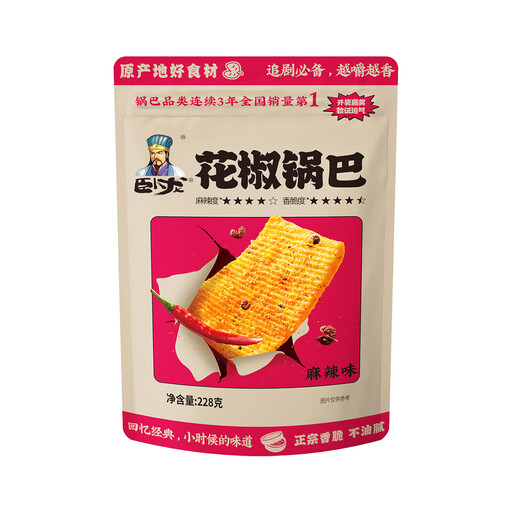
Why This Fits Their Persona: This is for the snacker who is actively seeking a bold and authentic taste experience. The "málà" flavour is distinct and provides the tingling, numbing sensation that is a true signature of Sichuan cuisine, moving far beyond a simple chilli heat.
It delivers a specific, regional flavour profile (Sichuan peppercorn) instead of a generic "spicy" label. The ingredient declaration specifies ≥0.5% Sichuan peppercorns, confirming its authenticity.
Made with ≥60% millet and prepared using a non-fried, low-temperature baking process, offering a substantial, chewy texture that is not greasy.

Why This Fits Their Persona: An ideal choice for gatherings and as **party snacks**. The sweet chilli flavour is a well-loved classic in the UK, and the light, crispy texture of a prawn cracker is a crowd-pleaser that pairs excellently with dips or stands on its own.
This snack delivers the expected light and crispy texture of a classic prawn cracker, avoiding the pitfall of a dense or hard product. The flavour is a balanced sweet chilli, not just a sugary coating.
Made with 13% prawn and tapioca flour for an authentic texture. It is a versatile snack that complements a wide range of foods, from curries to simple dips.
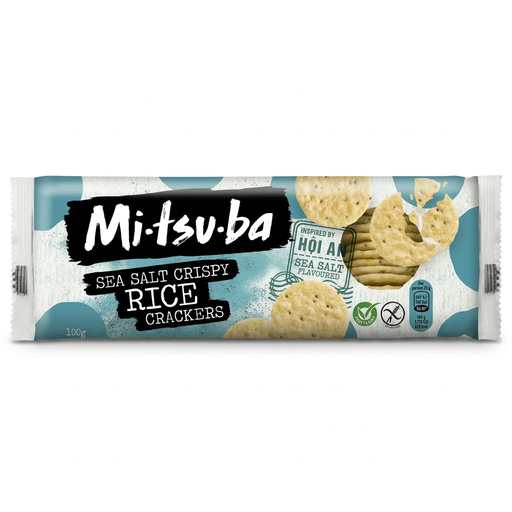
Why This Fits Their Persona: Perfect for those who scrutinise labels. These crackers are baked, not fried, and are explicitly free from MSG and palm oil. The simple ingredient list, led by brown rice, appeals to anyone seeking a cleaner snack option.
It sidesteps the hidden additives trap with a transparent ingredient list. The claims of being MSG-free and palm oil-free are clearly stated, providing peace of mind for the discerning consumer.
These are baked crispy rice crackers made with 53% brown rice and rice bran oil. The addition of chia seeds and sea salt creates a simple yet satisfying savoury flavour.
We have compiled a complete, real-time list of products that fully satisfy these strict selection criteria and UK safety regulations.
1. What is the main difference between Chinese and Thai rice crackers? Generally, Chinese rice crackers often have a firmer, crunchier texture, with flavours that can range from savoury soy and five-spice to the intense heat of Sichuan peppercorns. Thai crackers, on the other hand, frequently feature tapioca or rice flour to create a lighter, airier crisp. Their flavour profiles often lean towards sweet, sour and spicy combinations, such as sweet chilli or tom yum.
2. Are Asian crackers a healthier alternative to potato crisps? It depends on the specific product. Many Asian crackers are baked crackers rather than fried, which can make them lower in fat. Options made from whole grains like brown rice or millet crackers can also offer more fibre. However, it is always important to check the nutritional information for salt and sugar content, as this can vary widely between brands.
3. How should I store Asian crackers to keep them crispy? Moisture is the enemy of a crispy cracker. Once a packet is opened, the best way to maintain its crunch is to store the crackers in an airtight container at room temperature. Keep them in a cool, dry place like a pantry, away from direct sunlight or heat sources like your oven.