
24/7 Customer Support

Free returns

Same-day & Next-day Delivery

Quality Guaranteed

Unlock Your Welcome Offers: FREE Delivery | Up to 80% OFF | Free 30-day JoyPlus trial
Download the APP
For many, the search for authentic Asian desserts & sweets in the UK is a journey to find a taste of home, a festive tradition or a new culinary adventure. Whether you're looking to buy mooncakes UK for the Mid-Autumn Festival or craving the comforting chewiness of red bean rice balls, the online marketplace can be difficult to navigate. Packaging can be enticing, but the product inside may not always live up to expectations.
As the Joybuy Product Recommendation Officer, my role is to help you look past the marketing and focus on what truly matters. Here, we’ll break down the common pitfalls to avoid and the key details to check, ensuring your purchase is a delightful one.
Navigating the world of imported treats can be tricky. Here are a few common issues that can lead to disappointment:
To ensure you get the quality you're paying for, focus on these core parameters. They are far more telling than a product's flashy packaging.
The ingredients list is the most reliable indicator of quality. For traditional Asian sweets, the order and type of ingredients are crucial.
The unique textures of Asian desserts are a huge part of their appeal.
To help you choose, we've matched a few standout products to different needs and preferences.
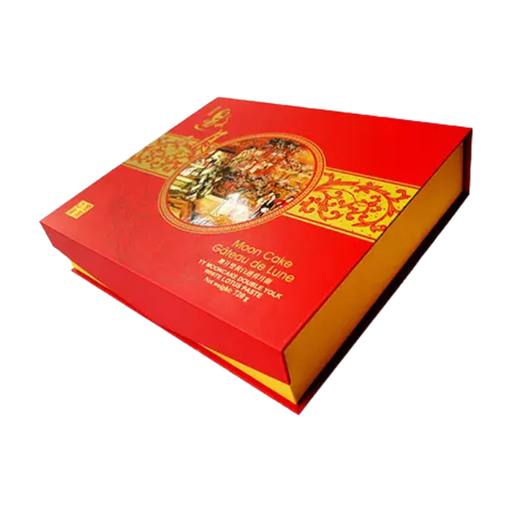
Why This Fits Their Persona: This is for someone seeking a classic, high-quality gift for the Mid-Autumn Festival. The large, elegant gift box is ideal for presenting to family or business associates and the flavour profile is deeply traditional.
It sidesteps the "festive packaging trap" by matching its impressive presentation with quality ingredients. The description specifies 12.8% lotus seed and 13.9% salted duck egg yolk, ensuring the flavour is as authentic as the box is beautiful.
Features two whole salted egg yolks for a rich, savoury balance to the sweet white lotus paste. The 720g box contains four large mooncakes, perfect for sharing.
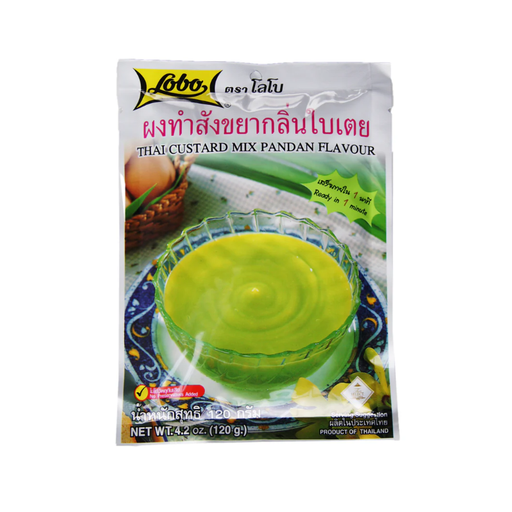
Why This Fits Their Persona: Perfect for the foodie who loves exploring Thai desserts and enjoys a hands-on approach. This mix provides a convenient way to create the fragrant, creamy Thai custard known as 'Sangkaya' at home without needing to source fresh pandan leaves.
This mix avoids the "authentic flavour" trap of ready-made desserts by providing a quality base. It uses coconut milk powder and pandan flavour to create the foundation, giving you control over the final consistency and sweetness during cooking.
Extremely simple preparation requiring only water and heat. It allows you to make a fresh, warm dessert that is often served with sticky rice or bread.
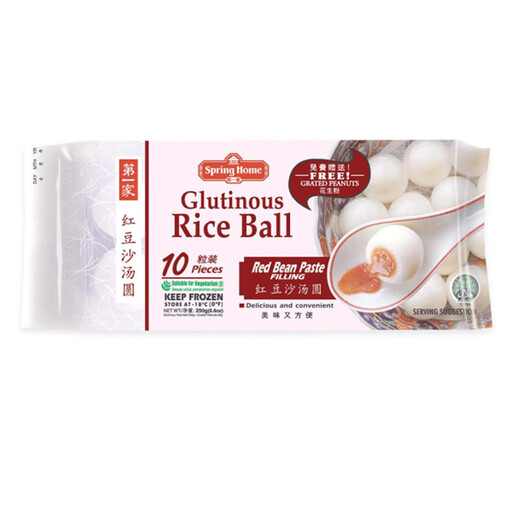
Why This Fits Their Persona: For those living in the UK who miss the simple, warming Chinese desserts online from home. These rice balls offer a quick and easy way to satisfy a craving for a nostalgic treat, perfect for a cold evening or as part of a festive meal.
It avoids the "frozen dessert gamble" by being designed for boiling. This cooking method ensures the glutinous rice flour skin becomes perfectly soft and chewy, not mushy, while heating the sweet red bean paste filling evenly.
Very fast to prepare—they cook in 5-7 minutes from frozen. The filling is a classic, smooth red bean paste that provides comforting sweetness.
We have compiled a complete, real-time list of products that fully satisfy these strict selection criteria and UK safety regulations.
1. How should I store mooncakes to keep them fresh? Most commercially produced mooncakes are shelf-stable and should be stored in a cool, dry place away from direct sunlight. Once the individual packaging is opened, it's best to consume the mooncake within a day or two. If you need to store it longer, wrap it tightly in cling film and place it in an airtight container in the refrigerator for up to a week. Let it return to room temperature before eating for the best flavour and texture.
2. What is the best way to cook frozen Asian desserts like sesame balls or rice balls? For boiled items like red bean rice balls (tang yuan), bring a pot of water to a rolling boil before gently adding the frozen balls. Stir occasionally to prevent sticking. They are typically ready once they float to the surface. For fried items like frozen sesame balls, it's important to deep-fry them in oil at a medium temperature (around 160-170°C) until they are golden brown and float. Cooking at too high a temperature can burn the outside before the inside is cooked.
3. Are there any common allergens in traditional Asian sweets I should be aware of? Yes, several common allergens are frequently found in Asian desserts. Always check the label. Key allergens include: peanuts and tree nuts (in fillings and pastes), eggs (in custards and mooncake glazes), wheat/gluten (in pastries) and sesame. Many desserts also contain milk or soy. UK regulations require these to be clearly listed, often in bold, in the ingredients list.