
24/7 Customer Support

Free returns

Same-day & Next-day Delivery

Quality Guaranteed

Unlock Your Welcome Offers: FREE Delivery | Up to 80% OFF | Free 30-day JoyPlus trial
Download the APP
From the chewy delight of Japanese mochi to the fragrant warmth of a Chinese steamed bun, the world of Asian desserts offers a vast and exciting landscape of flavours and textures. Whether you're seeking a nostalgic taste of home or are an adventurous foodie looking to buy Korean snacks online, the growing availability in the UK is a welcome sight.
However, navigating the online marketplace can be tricky. Not all products deliver the authentic experience they promise. As a Joybuy Product Recommendation Officer, my role is to help you sidestep common issues and find high-quality treats. Here are a few pitfalls to watch out for when shopping for Asian desserts online.
To ensure you get what you're paying for, focus on a few key details on the product page. This will help you make a more informed choice and avoid disappointment.
The heart of any great Asian dessert lies in its core ingredients. Instead of settling for "flavouring," look for specifics in the ingredient list.
The final texture is paramount. Understanding the product's state and preparation needs is key to enjoying it as intended.
Different regions are known for distinct types of sweets. Knowing this can help you find what you're looking for. Japanese sweets are often celebrated for their delicate flavours and textures, like mochi and matcha-infused treats. Chinese pastries can range from flaky baked goods to soft, steamed buns with savoury or sweet fillings. Exploring these regional specialities is a great way to discover new favourites among the wide range of Asian snacks online UK.
To help you start your journey, here are a few recommendations matched to different tastes and preferences.
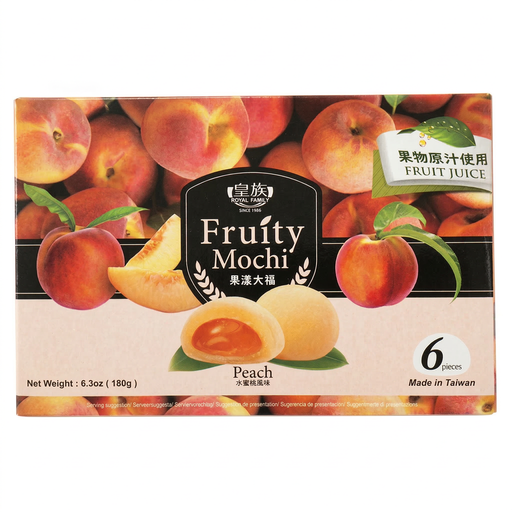
Why This Fits Their Persona: This is an excellent entry point for anyone curious about the unique, chewy texture of mochi. The familiar and sweet peach flavour makes it approachable, offering a fun and delightful new experience without being too unfamiliar.
It sidesteps the "authenticity trap" by using real peach juice concentrate, providing a genuine fruit taste rather than a purely artificial one. As a frozen product, it also avoids the texture mismatch, ensuring a soft, chewy consistency once thawed as directed.
Extremely convenient; simply thaw for 10-15 minutes and it's ready to eat. The soft, chewy texture is a hallmark of quality mochi.
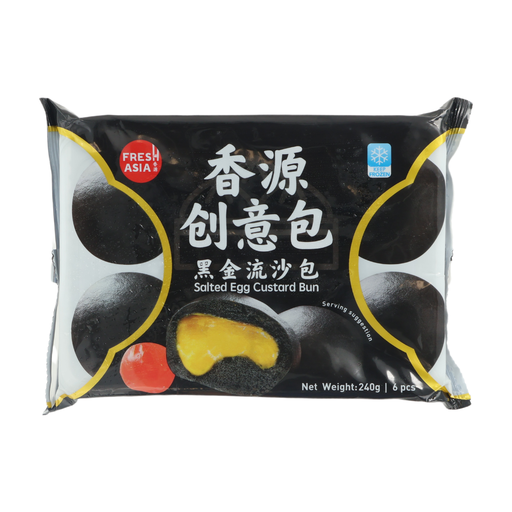
Why This Fits Their Persona: For anyone who misses the experience of a weekend yum cha, these buns bring a restaurant favourite home. They are perfect for recreating that indulgent moment of biting into a soft bun to reveal a rich, flowing custard filling.
This product is designed to be steamed from frozen, which is the correct way to handle it. This avoids the "texture mismatch" pitfall by ensuring the bun becomes fluffy and the salted egg yolk custard filling becomes molten, just as it should.
Delivers a luxurious, flowing "liu sha" filling. The striking black bun, coloured with bamboo charcoal powder, adds a modern visual touch to a classic dim sum dish.
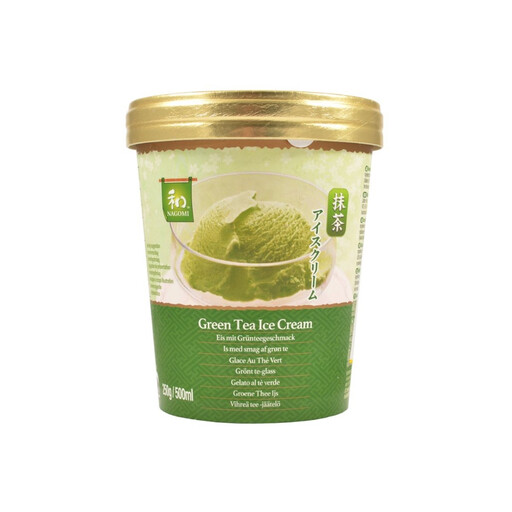
Why This Fits Their Persona: This is for the discerning individual who knows and appreciates the complex, earthy and slightly bitter notes of genuine matcha. They are not looking for a generic "green tea" flavour, but a rich and aromatic experience.
The product description clearly states it is made with 3% matcha green tea powder. This specific declaration shows a commitment to using the real ingredient for flavour and colour, steering clear of the vague "authenticity" trap of artificially flavoured alternatives.
Delivers a sophisticated, balanced flavour profile that is both bittersweet and creamy. The 500ml tub is a convenient size for keeping in the freezer for a refined treat.
We have compiled a complete, real-time list of products that fully satisfy these strict selection criteria and UK safety regulations.
Storage instructions vary greatly by product type. Always check the packaging.
These terms are often used interchangeably, but there is a subtle difference. Mochi refers to the cake made from glutinous rice that has been pounded into a paste. Daifuku is a type of mochi that is filled, most commonly with a sweet filling like red bean paste (anko), fruit or cream. So, most of the filled mochi you find for sale are technically daifuku.
This is a common misconception. While there are certainly very sweet desserts, many traditional Asian sweets are known for their subtlety and balance. Flavours like red bean, mung bean, taro and matcha are often earthy and only moderately sweet. The focus is frequently on the texture and the natural flavour of the primary ingredient rather than overwhelming sugariness.