
24/7 Customer Support

Free returns

Same-day & Next-day Delivery

Quality Guaranteed

Unlock Your Welcome Offers: FREE Delivery | Up to 80% OFF | Free 30-day JoyPlus trial
Download the APP
As a Joybuy Product Recommendation Officer, my role is to help you navigate the often-confusing world of online shopping. When it comes to stocking your pantry with authentic Asian dried beans and pulses, the sheer variety can be overwhelming. Choosing the wrong type can lead to a disappointing meal, whether it's a dal that won't soften or a sweet soup that lacks the right texture. This guide will help you understand the key differences and avoid common purchasing mistakes, ensuring you get the right ingredients for your kitchen.
Before we look at recommendations, let's address the frequent pitfalls UK home cooks encounter when they buy pulses online.
To ensure you're adding the right products to your basket, focus on these three practical considerations. They are far more important than flashy packaging or marketing claims.
The first step is to match the bean to your intended dish. These are some of the most popular Asian pantry staples and their primary uses:
Understanding the form is key to achieving the right texture and cooking time.
You don't need to be an expert to spot a good batch. Look for beans that are uniform in size and colour, with a smooth, unwrinkled surface. Avoid bags with a high percentage of broken pieces, dust or signs of moisture. This indicates the product is fresh and has been stored correctly, which means it will cook more evenly.
Based on these practical criteria, here are a few recommendations tailored to different cooking needs and preferences.
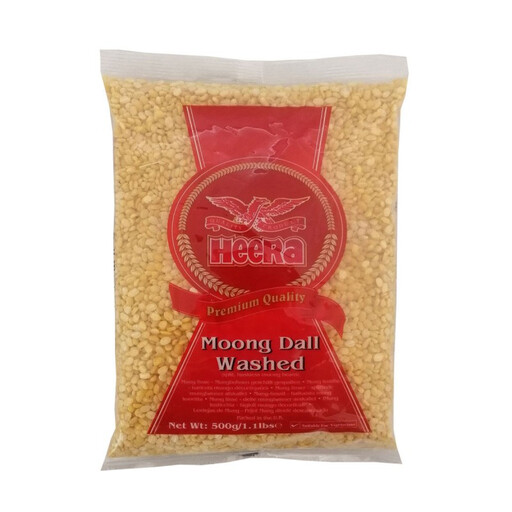
Why This Fits Their Persona: For the home cook making authentic Indian dal several times a week, convenience and consistency are paramount. This washed moong dal saves preparation time and cooks quickly into a reliably creamy and digestible lentil curry.
This is a split and hulled (washed) lentil, specifically for dal. It avoids the "wrong form" pitfall, ensuring you don't accidentally buy whole mung beans which would not create the desired creamy texture.
Pre-washed for convenience, saving a step in preparation. Cooks quickly (20-30 mins on stovetop) for fast weeknight meals.
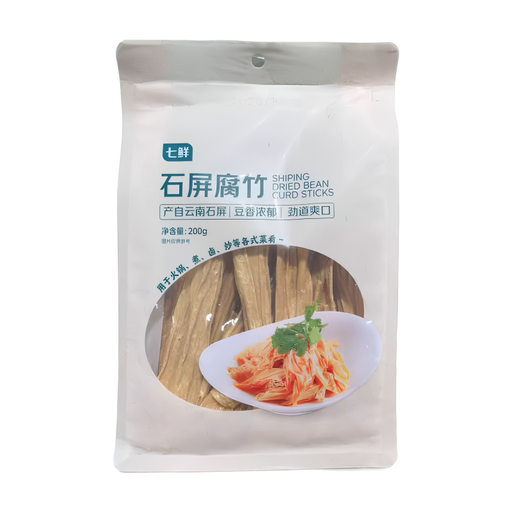
Why This Fits Their Persona: For those recreating authentic Chinese dishes like hot pot or braised specialities, having the right texture is non-negotiable. These dried bean curd sticks, or fuzhu, are a specific and essential ingredient that provides a satisfying, chewy bite and absorbs sauces beautifully.
This avoids the "one-bean-fits-all" trap by providing a very specific ingredient that cannot be easily substituted. It ensures the texture and flavour of traditional Chinese cooking are accurately replicated.
A high-protein (43.7g per 100g) plant-based ingredient. Rehydrates quickly in about 15 minutes, making it convenient for various cooking methods.
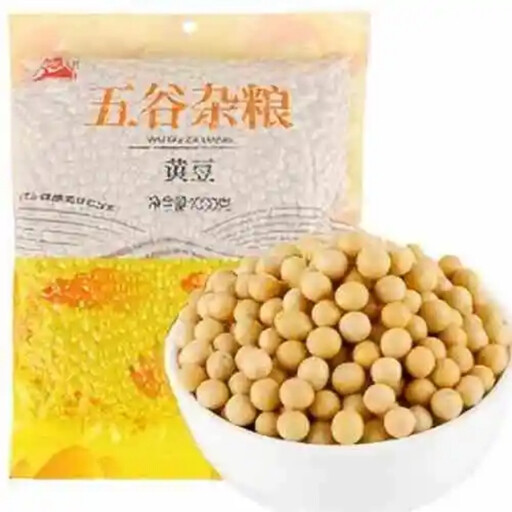
Why This Fits Their Persona: For someone focused on a vegan or vegetarian diet, a versatile, high-protein staple is essential. These non-GMO soybeans are a blank canvas for countless recipes, from homemade soy milk and tofu to being added directly into hearty stews.
This product's versatility counters the risk of buying a niche bean with limited use. As a foundational ingredient in many Asian cuisines, it offers excellent value and utility for a plant-based kitchen.
A great source of plant-based protein (35g per 100g). The product description specifies non-GMO soybeans, a key consideration for many health-conscious consumers.
We have compiled a complete, real-time list of products that fully satisfy these strict selection criteria and UK safety regulations.
Soaking is highly recommended for most larger dried beans like soybeans, kidney beans and chickpeas. It significantly reduces cooking time and helps them cook more evenly. A 4-6 hour soak or an overnight soak is typical. However, smaller lentils like moong dal or red lentils often do not require soaking and can be cooked directly, which is ideal for quick meals.
Freshness is key to good texture. Before cooking, inspect your beans. Signs that they are too old include a shrivelled or wrinkled appearance, a dusty coating or any visible mould or insect damage. An off, musty smell is another clear indicator. If you've cooked them for an extended period and they remain hard, they are likely past their best.
While both are staples in Indian dal, they come from different plants and have distinct properties. Moong dal is made from split and hulled mung beans; it's small, yellow and cooks quickly into a light, creamy and easily digestible soup. Chana dal is made from split and hulled Bengal gram (a variety of chickpea); it's larger, has a nuttier flavour and retains its shape more when cooked, resulting in a thicker, more robust dal.