
24/7 Customer Support

Free returns

Same-day & Next-day Delivery

Quality Guaranteed

Unlock Your Welcome Offers: FREE Delivery | Up to 80% OFF | Free 30-day JoyPlus trial
Download the APP
Buying Asian drinks online in the UK can be more convenient than visiting several specialist shops, particularly when you want Chinese drinks, Korean drinks or Japanese drinks delivered with your regular food order. However, attractive packaging and familiar product categories do not always tell you what you need to know.
A drink may be sold as “natural”, “hydrating” or “light”, while still containing substantial sugar, caffeine or added ingredients. Large multipacks can also appear economical until you discover that the flavour is not suitable for your household. This guide explains the key checks to make before ordering Asian soft drinks and other international beverages.
Terms such as herbal tea, coconut drink and isotonic drink describe the style or formulation of a beverage. They should not automatically be treated as medical or therapeutic products.
For example, Chinese herbal tea drinks may contain sugar alongside botanical extracts. Coconut juice may include added sugar, emulsifiers or milk-derived ingredients. Read the full ingredients panel rather than relying on front-of-pack wording.
An Asian beverage multipack can offer useful value for families, parties or student accommodation, but pack size affects storage and freshness. A 24-can case may be practical for regular consumption, whereas a six-pack or single can may be more suitable when trying an unfamiliar flavour.
Compare the price per 100ml, not just the total case price. Also check whether bottles or cans require refrigeration after opening and whether your household has enough cupboard or fridge space.
Some iced tea drinks, cola-style beverages and energy drinks contain caffeine. Sugar-free energy drinks may have little or no sugar but still contain a substantial amount of caffeine per can. Products containing milk powder or sodium caseinate are not suitable for people avoiding milk.
For UK orders, check the product listing and packaging for ingredients, allergens, nutrition information, responsible business details and required warnings. Packaging can vary between batches, so the label supplied with the product remains the important reference.
Compare nutrition per 100ml and per container. A 500ml bottle can contain five times the listed 100ml values, while a 310ml can or 245ml carton may be easier to portion.
For example:
“Sugar-free” does not mean caffeine-free, and “low fat” does not necessarily mean low sugar.
Caffeine is easy to underestimate when comparing different serving sizes. Red Bull Sugarfree lists 32mg caffeine per 100ml, equivalent to 80mg in a 250ml can. CELSIUS Watermelon Strawberry lists 113.6mg per 355ml serving, while Monster Aussie Style Lemonade lists 32mg per 100ml.
High-caffeine products carry specific warnings and are generally not recommended for children or pregnant or breastfeeding women. Follow the product label and consider whether the drink is appropriate for the intended consumer, particularly when buying for a family or shared office fridge.
Look for clearly declared allergens in bold, such as MILK, and check the sweetener list if you have a preference or dietary requirement. Halal, vegan or vegetarian suitability should be confirmed from the specific product information rather than assumed from the country of origin.
Storage is another practical specification. Freeze-pop drinks need freezer space before serving, while opened coconut drinks and similar beverages may need refrigeration and prompt consumption.
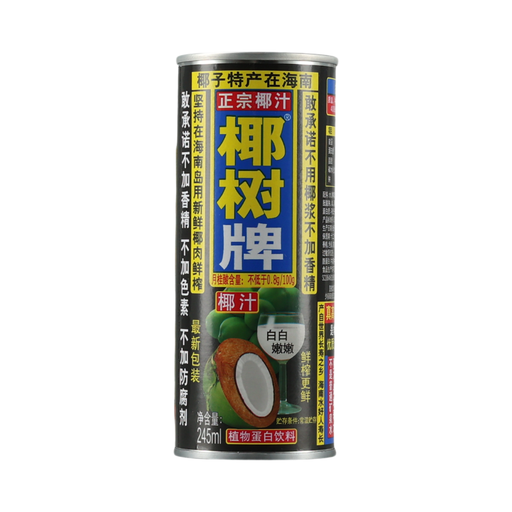
Why This Fits Their Persona: A single 245ml can lets first-time shoppers try coconut juice without committing to a multipack, making it suitable for students, flat-sharers and curious Asian food shoppers in the UK.
The smaller format reduces waste if the flavour is unfamiliar. The listing also identifies added sugar and milk-derived sodium caseinate, helping shoppers check dietary suitability first.
245ml ready-to-drink format; listed at 51kcal per 100ml with no artificial colours or preservatives stated in the product information.
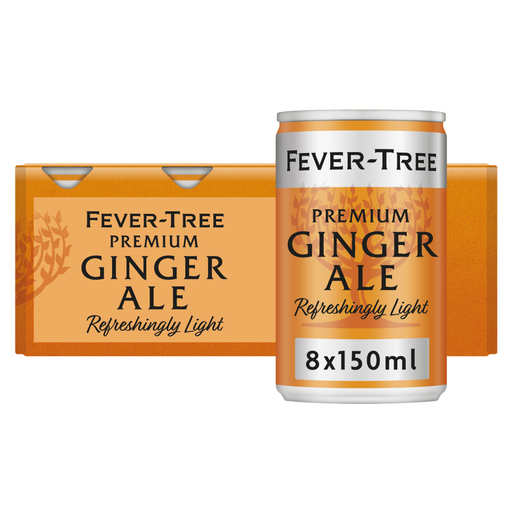
Why This Fits Their Persona: The compact cans suit dinner hosts and shoppers who want a measured mixer for entertaining, rather than a large bottle that may lose carbonation after opening.
The product information specifies 150ml cans, 18kcal per 100ml and no artificial flavours or sweeteners. This makes serving size and formulation easier to assess.
Eight individual cans; ginger flavour with natural flavouring listed; suitable for serving alone or mixing with spirits.
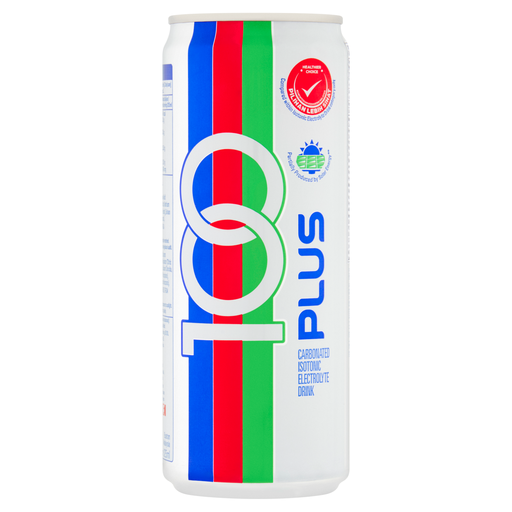
Why This Fits Their Persona: A practical option for gym bags, sports clubs and shoppers seeking a Malaysian isotonic drink in a portable can format.
The nutrition panel clearly states 64kcal and 15.9g sugar per 325ml can. Buyers can therefore compare it with other isotonic drinks instead of assuming that “electrolyte” means sugar-free.
325ml can; minerals including sodium, potassium and calcium listed; halal certification stated in the product details.
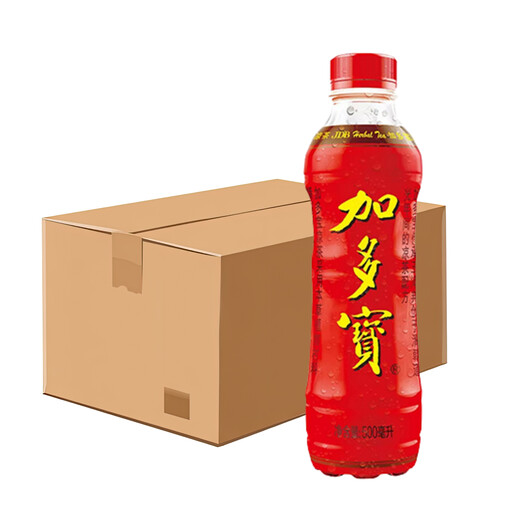
Why This Fits Their Persona: Fifteen 500ml bottles suit family fridges, gatherings and people who regularly enjoy Chinese herbal tea drinks with meals.
The ingredient list identifies sugar and liquorice, allowing households to check preferences and allergies before ordering a larger case.
15-bottle format; 500ml serving size; ready to drink and suitable for chilled serving.
We have compiled a complete, real-time list of products that fully satisfy these strict selection criteria and UK safety regulations.
Most ambient Asian soft drinks, Chinese drinks and canned beverages are shipped at room temperature unless the listing says otherwise. Refrigerate them when they arrive if you prefer a cold drink. Check storage instructions for coconut beverages and consume them within the stated period after opening.
Asian beverage multipacks are convenient for parties because individual cans or bottles are simple to distribute. Consider a mix of flavours, such as herbal tea drinks, coconut juice and iced tea drinks. Check caffeine content if children or guests who avoid caffeine will be attending.
No. Sugar-free energy drinks can still contain significant caffeine and sweeteners. Check the per-can caffeine figure and the product warning. The supplied Red Bull Sugarfree information states 80mg caffeine per 250ml can and advises against use by children and pregnant or breastfeeding women. Always follow the label and consume moderately.