
24/7 Customer Support

Free returns

Same-day & Next-day Delivery

Quality Guaranteed

Unlock Your Welcome Offers: FREE Delivery | Up to 80% OFF | Free 30-day JoyPlus trial
Download the APP
The vibrant and diverse world of Asian drinks has truly captured the UK's imagination. From the bustling streets of Tokyo to the tropical markets of Thailand, these beverages offer a refreshing departure from the usual soft drinks. However, navigating the colourful aisles of imported drinks can be tricky. As a Joybuy Product Recommendation Officer, my role is to help you look past the clever marketing and make choices that you'll genuinely enjoy.
Before you add that eye-catching bottle to your basket, let's discuss a few common pitfalls that can lead to disappointment.
By understanding what to look for, you can confidently explore the exciting world of Asian drinks and find your new favourite.
To avoid the traps above, focus on these three key parameters when selecting your next beverage.
The ingredients list is your most reliable source of information. In the UK, ingredients must be listed in order of weight. If sugar or high-fructose corn syrup appears as the first or second ingredient, you can be sure it's a high-sugar drink. For a more authentic fruit taste, look for phrases like "fruit juice from concentrate" or "fruit pulp" and check the percentage. A higher percentage generally indicates a more natural and robust fruit flavour.
If you're curious about drinks with a bit of bite, it helps to know what you're getting. The most common add-in is nata de coco, a chewy, translucent jelly produced by the fermentation of coconut water. It has a pleasant, firm texture and absorbs the flavour of the drink it's in. Other popular additions include aloe vera pieces, basil seeds and fruit pulp, all of which contribute to a unique mouthfeel that transforms the drink into a snack-like experience.
For those monitoring their sugar intake, it's crucial to distinguish between different types of sweetening agents.
Here are a few recommendations from our catalogue, matched to different tastes and preferences.
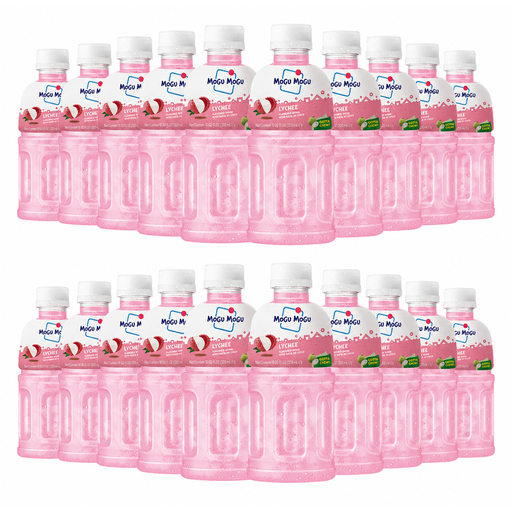
Why This Fits Their Persona: This is for the adventurous consumer who wants more than just a drink. The combination of a sweet lychee drink and chewy nata de coco makes it a fun, snackable beverage perfect for trying something new or sharing with friends at a gathering.
It directly addresses the "unexpected texture" pitfall. The Mogu Mogu brand is built around the "drink you can chew" concept, so consumers know exactly what to expect.
This popular Thai fruit drink contains 25% nata de coco, providing a substantial and satisfying chewy texture. The floral, sweet flavour of the lychee drink is a classic choice.
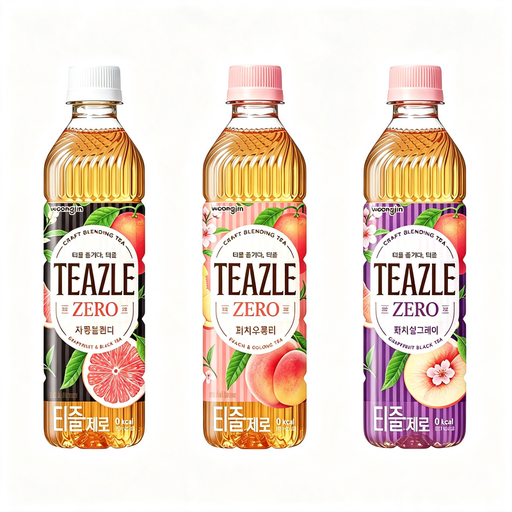
Why This Fits Their Persona: Ideal for anyone seeking a flavourful, refreshing drink without the sugar or calories. This Korean tea is perfect for daily hydration, post-workout refreshment or as a light alternative to sugary sodas.
This product directly counters the "deceptively sugary tea" pitfall. It is explicitly marketed as zero-calorie and sugar-free, offering complete transparency for health-conscious buyers.
This ready-to-drink beverage is expertly blended for a smooth taste without bitterness. The mix pack allows you to sample multiple flavours, including Peach & Earl Grey and Grapefruit Black Tea.
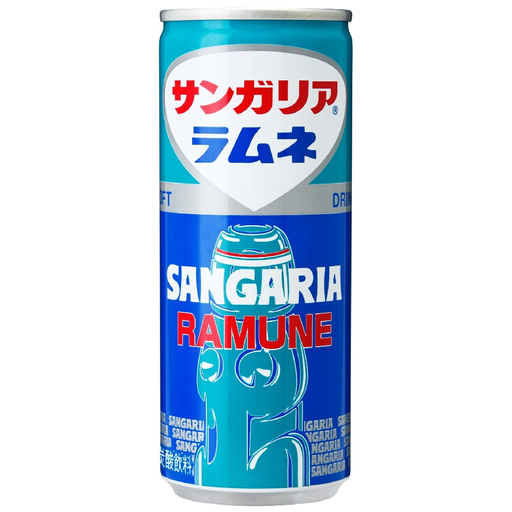
Why This Fits Their Persona: For those who love the fizz and fun of a classic soda but are looking for a novel flavour. This is a quintessential Japanese drink, offering a nostalgic, sweet fruit taste that's different from typical UK soft drinks.
This is clearly a soda, so there's no misleading health claim. The convenient can format also removes the potential confusion of the traditional glass marble stopper found in other ramune bottles.
It delivers the authentic Sangaria ramune experience in a lightweight, easy-to-open can. The crisp carbonation and balanced sweetness make it a crowd-pleasing choice for parties or picnics.
We have compiled a complete, real-time list of products that fully satisfy these strict selection criteria and UK safety regulations.
Nata de coco is a chewy, jelly-like food substance produced by the bacterial fermentation of coconut water. It is a popular ingredient in many Southeast Asian desserts and beverages, particularly Thai fruit drinks like Mogu Mogu. It adds a fun, bouncy texture to the drink, making it more of a snack and a beverage in one. It is naturally low in calories and consists mainly of water and fibre.
Not at all. While many traditional and popular Asian soft drinks are high in sugar, there is a growing market for low-sugar and zero-calorie alternatives. Many brands now offer versions of their popular drinks—from Korean tea to Japanese sodas—that use sweeteners instead of sugar. The key is to read the nutritional information and ingredients list to find a beverage that fits your dietary preferences.
For the vast majority of ready to drink beverages, including Japanese drinks like ramune and fruit-flavoured teas, the experience is enhanced when the drink is served chilled. Storing them in the refrigerator before consumption brings out their crispness and makes them more refreshing. While you can drink them straight from the bottle or can, pouring them over a glass of ice can make for an even cooler treat, especially on a warm day.