
24/7 Customer Support

Free returns

Same-day & Next-day Delivery

Quality Guaranteed

Unlock Your Welcome Offers: FREE Delivery | Up to 80% OFF | Free 30-day JoyPlus trial
Download the APP
Asian drinks cover a wide range of flavours, from Chinese fruit juices and Korean citron tea to Japanese ready-to-drink beverages and citrus soft drinks. UK shoppers can also find Mexican grapefruit soda, bottled cocktails and convenient multipacks alongside traditional Asian refreshments.
However, attractive packaging does not always make choosing straightforward. A drink may look like fruit juice but contain mostly water and added sugar, while a “light” option may still use sweeteners that do not suit every preference. The right choice depends on the ingredients, nutrition panel, serving format and how you plan to use it.
Words such as “citrus”, “pomelo” or “fruit tea” describe the flavour profile, not necessarily the quantity of fruit used. Check the ingredients list to see whether the drink contains juice, juice concentrate, purée or only flavouring.
For example, a pomelo drink may combine pomelo juice with apple concentrate, whereas a tea drink may use tea extract with a small quantity of lemon juice. Neither format is inherently unsuitable, but the distinction helps you compare products fairly.
These terms describe different characteristics. A low-calorie drink can contain sugar in a smaller quantity, while a sugar-free drink may use sweeteners instead. Always review the nutrition information per 100ml and consider the bottle or carton size.
A 500ml bottle has five times the stated per-100ml values. This matters when comparing Asian soft drinks, bottled tea and fruit juice drinks for regular consumption.
A single bottle is practical for commuting, school or travel, but a bulk drinks pack may offer more convenience for a household or office. It is only economical if the flavour suits the people sharing it and there is enough storage space.
Glass bottles can provide a traditional presentation for meals or gatherings, while cartons and plastic bottles are generally easier to carry. Check whether the product needs refrigeration after opening and follow the packaging instructions.
Look beyond the front label. The ingredients list identifies the main components in descending order by weight. For fruit juice drinks, check whether the product contains juice concentrate, added sugar, glucose-fructose syrup or sweeteners.
For bottled tea and fruit tea, look for the type of tea used, such as green tea, black tea, oolong or Pu-erh. If you have food allergies or dietary requirements, read the allergen statement carefully. Some imported drinks may also carry warnings about colours, sweeteners or possible traces of cereals, so the UK label should be checked before purchase.
Use the per-100ml panel to compare different products consistently. Energy, sugars and salt are especially useful when choosing between fruit juice drinks, citrus drinks and fizzy beverages.
Some options in this range provide clear figures, such as:
These figures are product-specific, so always confirm the current packaging before buying.
Choose the format that matches your routine:
Imported drinks may have different serving traditions and flavour profiles from mainstream UK soft drinks. If you are trying a new style, a single bottle or smaller pack can be a sensible starting point before buying in bulk.
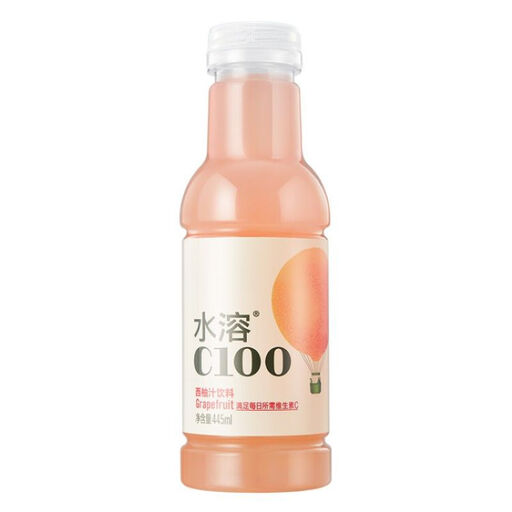
Why This Fits Their Persona: A 15-bottle format suits households, shared fridges and shoppers who want a ready-to-drink citrus option available throughout the week.
The listed nutrition panel gives a clear per-100ml reference, helping shoppers compare its grapefruit flavour with other soft drinks before committing to a multipack.
445ml bottles, added vitamin C and a tangy grapefruit profile; ready to drink and suitable for chilled serving.
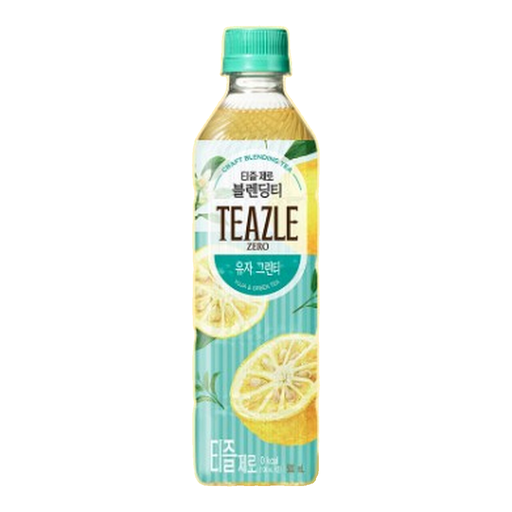
Why This Fits Their Persona: This Korean RTD drink suits customers looking for a more distinctive tea-and-citrus flavour without sugar or calories listed in the product description.
Its stated sugar-free and zero-calorie specification is more informative than relying on front-of-pack phrases such as “light” or “refreshing”.
500ml bottle, citron and green tea flavour and vegan-friendly positioning stated in the product information.
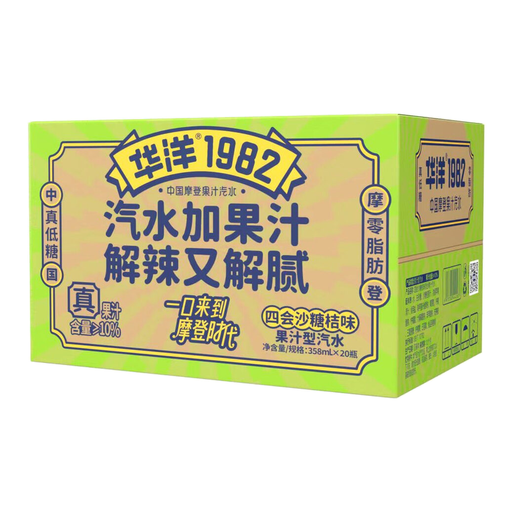
Why This Fits Their Persona: The 20-bottle case is designed for regular sharing, social occasions or stocking an office, with a glass-bottle presentation for meals.
The pack quantity and 358ml bottle size are stated clearly, reducing the risk of underestimating the storage space or total volume required.
20 glass bottles, pomelo and apple juice components and listed energy of 10 kcal per 100ml.

Why This Fits Their Persona: The 1L format works for breakfast tables and family sharing, rather than individual on-the-go use.
The product information identifies orange juice concentrate, sugar and vitamin C, allowing buyers to distinguish it from unsweetened juice or a pure juice product.
1L sharing format, orange flavour and 20mg vitamin C listed per 100ml.
We have compiled a complete, real-time list of products that fully satisfy these strict selection criteria and UK safety regulations.
They can fit different routines, but suitability depends on the ingredients, portion size and your dietary preferences. Compare the nutrition panel, check allergen information and follow storage instructions. Sugar-free, low-calorie and unsweetened options are not the same, so read the label rather than relying on promotional wording.
Store unopened products according to the packaging instructions, usually in a cool, dry place away from direct sunlight. Refrigerate products after opening where instructed and consume them promptly. Carbonated drinks should not be shaken, frozen or exposed to excessive heat.
Some international beverage selections include bottled cocktails, but these are alcoholic products rather than everyday soft drinks. Check the alcohol by volume, sulphite information and serving guidance. They are intended only for adults of legal purchase age in the UK and should be consumed responsibly.