
24/7 Customer Support

Free returns

Same-day & Next-day Delivery

Quality Guaranteed

Unlock Your Welcome Offers: FREE Delivery | Up to 80% OFF | Free 30-day JoyPlus trial
Download the APP
Finding authentic Asian drinks in the UK can be difficult when product pages use unfamiliar terminology, mixed-language packaging or broad claims such as “light”, “natural” and “healthy”. The flavour may suit your favourite Chinese, Korean or Japanese dishes, yet the drink could still be the wrong choice for your sugar preferences, caffeine tolerance, storage space or household size.
This guide explains the practical details to check before buying Asian tea drinks, Chinese drinks, Korean drinks, Japanese drinks and Asian beverage multipacks.
A bottled tea may contain green tea, jasmine tea, oolong tea or black tea while also including sugar, syrup or fruit concentrate. For example, a peach oolong drink may provide a fruity flavour but contain 9.8g of sugars per 100ml. In a 500ml bottle, that is considerably more than the per-100ml figure suggests.
Always check both:
Low-calorie drinks can still contain sugar. Conversely, sugar-free drinks may use sweeteners such as sucralose, erythritol or monk fruit concentrate, which create a different taste profile.
A drink providing 20 kcal per 100ml is lighter than a full-sugar soft drink in energy terms, but it should not automatically be described as sugar-free. If reducing sugar is your priority, look for an explicit 0g sugars entry in the nutrition panel.
Green tea, jasmine tea, oolong tea and black tea naturally tend to contain caffeine, although the precise quantity may not be stated on the product page. Barley drinks are often naturally caffeine-free, but barley is a gluten-containing cereal.
Read the allergen statement carefully if you have coeliac disease, gluten sensitivity or another dietary restriction. Imported packaging can also vary, so check the current label supplied with your order.
Compare drinks on a consistent basis using the per-100ml nutrition panel. This makes a 250ml can, 450ml bottle and 500ml bottle easier to compare.
As a practical guide:
For powdered fruit tea, also check the recommended water volume. A 6g freeze-dried cube intended for approximately 300ml of water offers more control over strength and sweetness than a fixed ready-to-drink bottle.
The base ingredient affects taste:
If caffeine matters, choose a product that clearly states it is caffeine-free, such as a roasted barley beverage, rather than assuming all herbal or grain-based drinks have the same formulation.
A single 500ml bottle can work well for a commute, university day or packed lunch. Multipacks are more practical for families, parties or regular meal pairing, but they need cupboard space and careful attention to best-before dates.
Check whether the product requires:
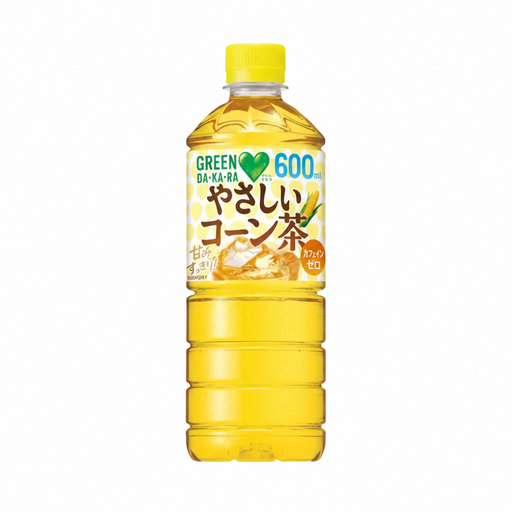
Why This Fits Their Persona: A straightforward Japanese bottled tea for shoppers who want a mild roasted-grain flavour without committing to a large multipack.
Its listing states 0 kcal per 100ml, helping buyers distinguish it from sweetened fruit tea drinks.
600ml ready-to-drink format; made in Japan; corn-based flavour profile.

Why This Fits Their Persona: Suits Chinese food enthusiasts who prefer a clearly fruity, chilled tea for meals or social occasions.
The listing specifies sugar at 9.8g per 100ml, so the sweet peach profile is not mistaken for a sugar-free drink.
500ml ready-to-drink bottle; combines oolong tea extract with peach juice concentrate.
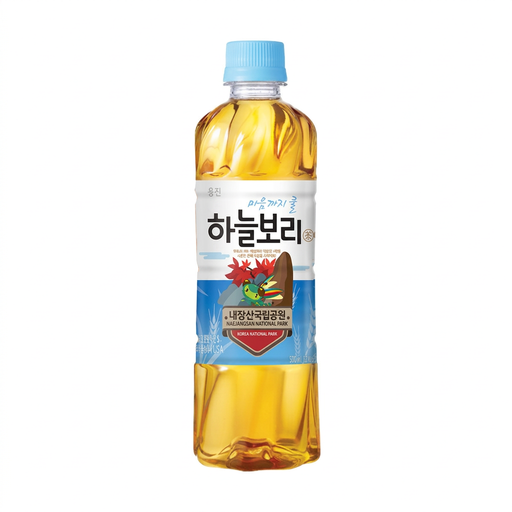
Why This Fits Their Persona: A practical Korean drink for households wanting a caffeine-free roasted grain beverage for regular chilled serving.
It is described as naturally caffeine-free and lists 0g sugars per 100ml, while clearly identifying barley as an allergen.
500ml bottle; grain blend includes roasted barley, corn, brown rice and chicory.
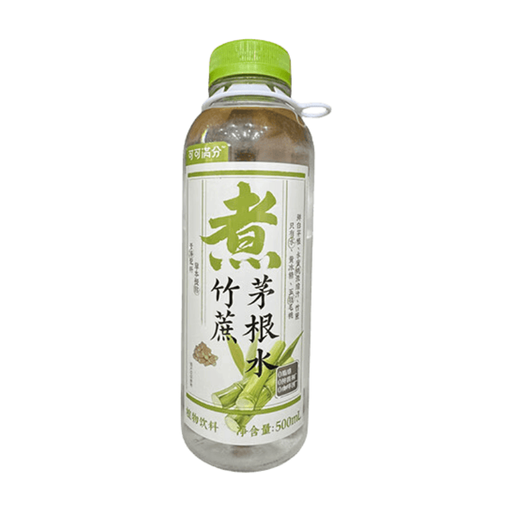
Why This Fits Their Persona: Works for families, shared meals and regular cupboard stocking where a 15-bottle case is more convenient than individual purchases.
The nutrition panel states 12.9 kcal and 0g sugar per 100ml; buyers should still note that the ingredients include rock sugar.
15 x 500ml bottles; contains sugarcane, reed root and peach juice concentrate.
We have compiled a complete, real-time list of products that fully satisfy these strict selection criteria and UK safety regulations.
For floral flavours, Uni-President Jasmine Tea 250ml x 6 combines jasmine and green tea in smaller bottles. For fruit-forward choices, grape oolong, lychee black tea and lemon tea offer different balances of sweetness and tea aroma. Instant options such as Meixianshuo Fresh Fruit Tea can be prepared at home, in an office or while travelling; check the stated water volume and sweetener details before buying.
Shoppers who prefer traditional Chinese-style herbal drinks may also consider winter melon tea. Its 248ml x 24 format is convenient for portion control, but its label includes sugar and sweeteners, so it should not be confused with a sugar-free drink.
Yes. Options include zero-calorie corn tea, caffeine-free barley drink and fruit or herbal beverages with low stated energy values. However, “low calorie” and “sugar-free” are different descriptions. Check the nutrition table and ingredients rather than relying on front-of-pack wording.
Many green, jasmine, oolong and black tea drinks may contain naturally occurring caffeine, but the exact amount is not always provided. If you want to avoid caffeine, select a product explicitly described as caffeine-free, such as a roasted barley drink, and check the current packaging.