
24/7 Customer Support

Free returns

Same-day & Next-day Delivery

Quality Guaranteed

Unlock Your Welcome Offers: FREE Delivery | Up to 80% OFF | Free 30-day JoyPlus trial
Download the APP
Asian drinks cover a wide range of flavours, from Japanese fizzy drinks and Korean milk sodas to Chinese iced tea, fruit juice drinks and unsweetened green tea. That variety is useful, but it can also make online shopping confusing. A colourful can may suggest a fresh fruit flavour while containing mostly sugar or syrup, and a large multipack may not offer good value if the drink is unsuitable for your household.
The following guide helps UK shoppers compare Asian soft drinks, imported drinks and ready-to-drink beverages by flavour, ingredients, pack size and everyday practicality.
A drink described as melon, peach, tropical or strawberry flavoured may contain only a small amount of juice, extract or flavouring. Check the ingredients list and the percentage of fruit juice rather than relying on front-of-pack imagery.
For example, a fruit-flavoured soda can provide a sweet, fizzy taste without being equivalent to fruit juice. By contrast, Appletiser lists carbonated apple juice from concentrate as its sole ingredient, although it still contains naturally occurring sugars.
Sugar-free soft drinks can reduce sugar and calorie intake, but they may contain sweeteners, caffeine or a source of phenylalanine. Diet Coke, Coke Zero and Fanta Orange Zero Sugar all provide zero or very low sugar per 100ml, yet their ingredient lists differ.
People with phenylketonuria (PKU) should avoid products containing a source of phenylalanine, such as drinks sweetened with aspartame. Always read the UK label, even when buying a familiar product.
A 15-bottle or 24-carton case can work well for families, parties or regular iced tea drinkers, but it takes more cupboard space and ties up money. Smaller 250ml or 330ml servings may be more suitable for lunchboxes and portion control, while 500ml bottles are more practical for longer days out.
Check the best-before date, storage instructions and refrigeration requirements after opening before ordering imported drinks in bulk.
Use the nutrition table to compare drinks on a consistent basis, usually per 100ml. This makes a 250ml carton easier to compare with a 500ml bottle or 330ml can.
Some useful reference points from the range include:
“Low sugar” and “zero sugar” are not interchangeable descriptions. Also check whether a drink contains glucose syrup, fructose syrup, sugar or artificial sweeteners.
Look for clearly listed ingredients and allergen information. Milkis Strawberry Soda contains milk and soya, while the product information for several green teas, fruit sodas and colas lists no major allergens. However, “no allergens listed” does not necessarily mean a product is suitable for every allergy, particularly where shared manufacturing facilities are mentioned.
Caffeine is another practical consideration. Cola, black tea, green tea and energy drinks may contain caffeine. Lucozade Energy Orange, for instance, contains caffeine and a source of phenylalanine. This may be relevant when choosing drinks for children, late-evening consumption or anyone limiting caffeine.
Match the container to the occasion:
For drinks containing live cultures or prebiotic fibre, check the product-specific information. Living Things drinks include chicory root inulin and live cultures; people unfamiliar with prebiotic fibre may prefer to introduce it gradually.
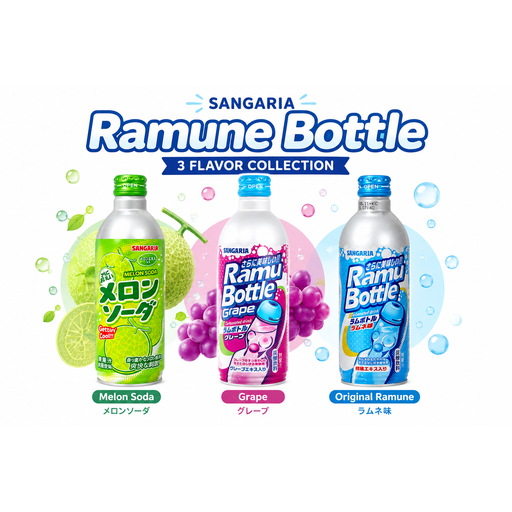
Why This Fits Their Persona: A three-flavour collection offers an accessible way to explore Japanese drinks without committing to one large case of a single flavour.
The listed nutrition values make the sugar content visible, avoiding assumptions based only on fruit-themed packaging.
Three 500ml fruit-flavoured soda varieties; product information lists no major allergens for the melon flavour.
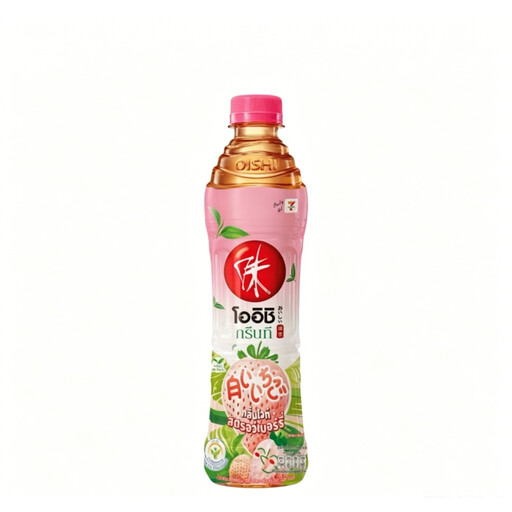
Why This Fits Their Persona: It combines green tea with white strawberry flavour for shoppers seeking a more distinctive, aromatic alternative to standard cola or lemonade.
The nutrition panel shows 8g sugar per 100ml, helping shoppers distinguish a flavoured tea from an unsweetened tea.
400ml ready-to-drink format; product information lists green tea, white strawberry juice and no allergens.

Why This Fits Their Persona: A 15-bottle case suits households, offices and shoppers who want unsweetened Chinese green tea ready for daily use.
It is clearly listed as unsweetened, with 0g sugar and 0 calories per 100ml rather than relying on vague wellness wording.
15 x 500ml bottles; ingredients include water, green tea, vitamin C and sodium bicarbonate.
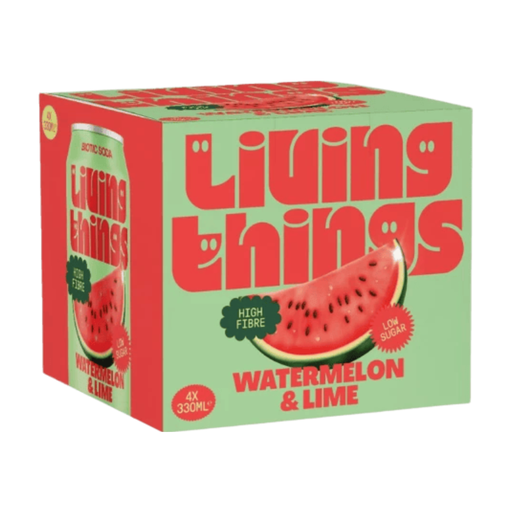
Why This Fits Their Persona: The four-can format is convenient for trying a modern functional soda with meals, at gatherings or as an alternative to conventional fizzy drinks.
The nutrition information gives a specific figure of 1.7g sugar per 100ml, while the ingredients identify apple, watermelon and lime juice concentrates.
4 x 330ml cans; contains chicory root inulin and live cultures, with product information stating it is vegan and gluten-free.
We have compiled a complete, real-time list of products that fully satisfy these strict selection criteria and UK safety regulations.
Unsweetened green tea, such as Nongfu Spring Oriental Tree Leaf Green Tea, contains 0g sugar per 100ml. Some Asian fizzy drinks contain considerably more sugar, while products such as Living Things offer a lower-sugar option. Compare the full nutrition panel rather than relying on terms such as “natural” or “fruit”.
Buy from a retailer providing clear ingredient, allergen, nutrition and storage information. Check the UK label before consumption, especially for caffeine, sweeteners, milk, soya and phenylalanine warnings. Product formulations can change, so the packaging remains the most current reference.
For larger gatherings, 15-bottle or 24-can multipacks provide a ready supply, but they require more storage. For testing unfamiliar Japanese drinks, Korean drinks or Chinese drinks, a smaller four-pack or mixed-flavour collection can reduce waste if the taste does not suit everyone.