
24/7 Customer Support

Free returns

Same-day & Next-day Delivery

Quality Guaranteed

Unlock Your Welcome Offers: FREE Delivery | Up to 80% OFF | Free 30-day JoyPlus trial
Download the APP
Fermented ingredients can add deep savoury flavour to everyday meals, but choosing the right jar, tub or pouch is not always straightforward. A sauce labelled “authentic” may be unsuitable for your dietary needs, too salty for the recipe you have planned, or difficult to store once opened.
This guide explains what to check before buying Asian fermented foods and sauces, from Korean soybean paste and doenjang to Chinese bean paste, kimchi, natto and preserved vegetables.
Korean doenjang is a fermented soybean paste commonly used in stews, soups and marinades. Ssamjang also contains fermented soybean paste, but it is usually seasoned with chilli, garlic, sweetness and other ingredients for dipping and wrapping.
Chinese bean pastes vary considerably too. Chilli bean sauce, often called Toban Djan, contains fermented broad beans and chilli, while sweet bean sauce has a milder, sweeter profile for dishes such as Peking duck and fried sauce noodles. Substituting one for another can change the balance of a dish considerably.
Heat and sweetness do not tell you everything about a condiment. Check whether the product contains wheat, sesame, peanuts, alcohol, added sugar or flavour enhancers. A mild ssamjang may still have a strong fermented savoury taste, while sweet bean paste can remain noticeably salty.
A large tub may appear economical, but many fermented sauces require refrigeration after opening and should be used within a stated period. Ready-to-eat kimchi and preserved vegetables also have different storage requirements. Always check the packaging, use clean utensils and avoid products with swollen packaging, mould, unusual odours or discolouration.
Look for the ingredient’s traditional role rather than relying only on front-of-pack wording.
UK food labels should identify relevant allergens, but formulations can change, so check the current packaging before purchase. Many Korean and Chinese condiments contain soybeans and wheat, meaning they are not suitable for people avoiding soya or gluten. Some ssamjang products also contain peanuts, sesame or mustard.
For example, the listed ingredients for LEE KUM KEE Chilli Bean Sauce include broad beans, soybeans, chilli and wheat flour. CJ and Chung Jung One soybean pastes also contain soy and wheat. O’Food Mild Seasoned Soybean Paste contains soy, wheat and peanuts, while its larger tube version also lists mustard and sesame.
Fermented sauces are concentrated seasonings, so compare the salt per 100g and use a small amount first. The listed salt values range from 5g per 100g for one mild ssamjang to 13.5g per 100g for fermented black beans. These products are intended to season a dish rather than form its main portion.
Pack size should match your cooking frequency. A 150g kimchi pouch or 170g paste tub may suit occasional users, while a 500g soybean paste or fermented black bean pack is more practical for regular Korean or Chinese cooking.
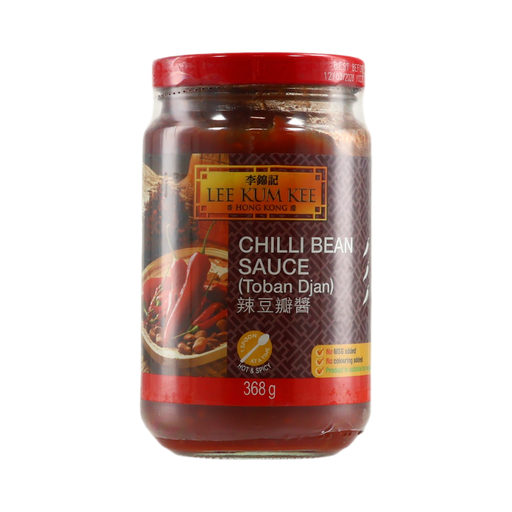
Why This Fits Their Persona: A practical entry point for UK cooks exploring Sichuan and Hunan recipes, including mapo tofu and quick wok stir-fries.
Its product description clearly identifies it as a savoury, spicy fermented broad bean sauce rather than a general-purpose sweet bean paste.
368g format; suitable for cooking bases and stir-fries; instructions recommend frying 1–2 tablespoons to release aroma.
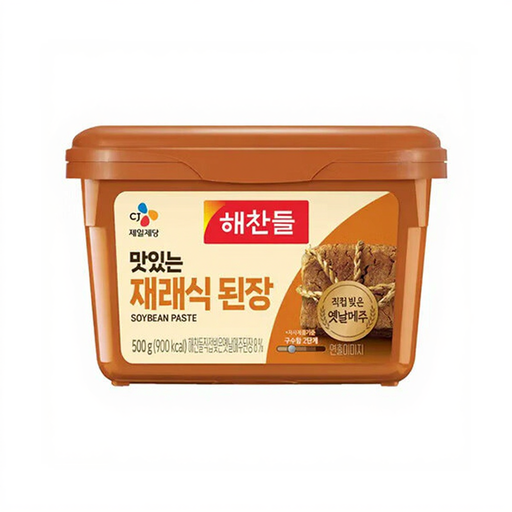
Why This Fits Their Persona: Designed for cooks who want a substantial Korean pantry staple for stews, vegetable dips, marinades and regular home meals.
It is identified as soybean paste for cooking, helping shoppers distinguish a core doenjang-style ingredient from a pre-seasoned dipping sauce.
500g tub; product information describes traditional fermentation; listed as suitable for vegetarians and contains soy and wheat.
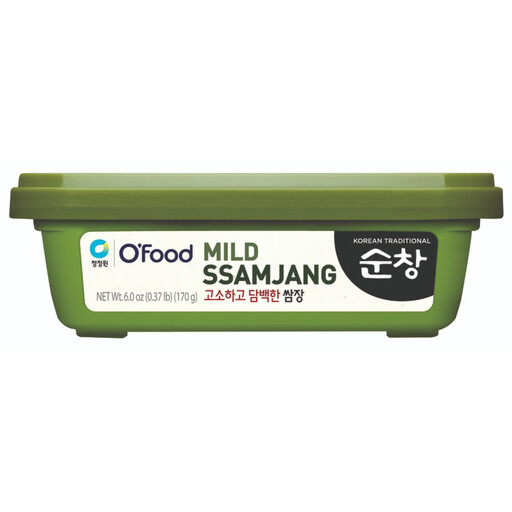
Why This Fits Their Persona: A ready-to-use option for lettuce wraps, grilled meats, vegetables and informal Korean BBQ meals at home.
The mild designation sets an expectation for heat, while the allergen list makes its wheat, soy and peanut content visible before purchase.
Ready to use; 170g tub; product details specify use as a dip, glaze or flavour base for Korean dishes.

Why This Fits Their Persona: Useful for UK shoppers who want a small, ready-to-eat Korean side dish without committing to a large refrigerated jar.
Its ambient storage format is stated clearly, avoiding confusion with kimchi that must remain chilled before opening.
150g sliced format; suitable as a side dish, ramen topping or stir-fry ingredient; contains soy.
We have compiled a complete, real-time list of products that fully satisfy these strict selection criteria and UK safety regulations.
Some are, but not all. Check the ingredient list for fish, shrimp, oyster sauce, meat stock or animal-derived flavourings. Chung Jung One Jaerae Soybean Paste is listed as suitable for vegetarians, while kimchi recipes can vary. Always check the current label.
Many soybean pastes and Chinese bean sauces should be refrigerated after opening, tightly sealed and used within the timeframe stated on the packaging. Ambient kimchi can be stored at room temperature before opening, whereas chilled kimchi and natto have different requirements. Follow the product-specific storage instructions rather than assuming all fermented foods are stored alike.
Not always. Ssamjang and some soybean pastes can be used as dips, while chilli bean sauce and sweet bean paste may be intended for cooking. Natto is served without cooking after thawing, and ready-to-eat kimchi can be eaten directly or added to cooked dishes. Check the usage instructions and introduce concentrated sauces gradually to control salt, heat and sweetness.