
24/7 Customer Support

Free returns

Same-day & Next-day Delivery

Quality Guaranteed

Unlock Your Welcome Offers: FREE Delivery | Up to 80% OFF | Free 30-day JoyPlus trial
Download the APP
Asian fish cakes and fish balls can turn a plain bowl of noodles, soup or hot pot into a more substantial meal in minutes. However, packs that look similar may differ considerably in fish content, storage, texture, allergens and cooking requirements.
For UK shoppers, the main challenge is separating useful product information from vague descriptions such as “authentic”, “premium” or “restaurant-style”. The practical approach is to check the label, decide how you intend to cook the product and choose a pack size that suits your household.
“Fish cake” can describe several different foods. Japanese fish cakes may include kamaboko, narutomaki, chikuwa or fried fish cakes. Thai fish cakes are commonly seasoned with herbs and spices, while Chinese fish balls may be plain, stuffed or mixed with other meats. Korean seafood patties are usually flatter and may contain squid, vegetables, breadcrumbs or several types of seafood.
The name alone does not tell you whether a product is ready to eat, ready to cook or intended to be added to broth. Always check the usage instructions.
A 500g pack may offer better value for a family hot pot, but it is less convenient if you cook for one and cannot use it promptly after thawing. Most frozen products in this category should be kept at -18°C or below and should not be refrozen after thawing.
Chilled Japanese fish cakes, such as narutomaki and chikuwa, have different requirements. For example, Kibun Ramen Fish Cake Narutomaki 160g should be refrigerated at or below 4°C and consumed within 2–3 days after opening. Do not treat a chilled product like a long-term freezer ingredient unless the packaging specifically allows it.
A round fish ball, a tube-shaped chikuwa and a flat seafood patty behave differently in cooking. Some products are smooth and springy, while others contain vegetables, mushroom, cuttlefish or a filled centre.
Look for objective information such as the fish percentage, named seafood ingredients and recommended cooking method. For example, the Freshasia Wan Jiang Fish Balls with Pork Filling 200g lists 40% fish and 10% pork, with a savoury filling inside the fish ball. By contrast, Kim Son Grey Featherback Fish Paste 500g is a plain fish paste intended for making your own fish cakes or fish balls.
Fish percentage is a useful comparison point, but it is not the only one. Read the full ingredient list to identify starches, oils, vegetables, tofu, pork, squid or added seasonings.
For example:
Frozen fish cakes and frozen fish balls are useful for batch cooking, hot pots and student kitchens because they can be stored until needed. Cook from frozen when the instructions recommend it and avoid refreezing once thawed.
Chilled products are convenient for ramen, bento boxes and quick snacks, but their use-by date and post-opening instructions need closer attention. Keep chilled food at the temperature stated on the pack and discard it if the packaging is damaged, the odour is unusual or the use-by date has passed.
Common allergens in Asian seafood products include fish, crustaceans, molluscs, soya, wheat, egg, sesame and milk. Ingredients and allergen statements can change, so check the packaging before every purchase, particularly if cooking for children or anyone with an allergy.
Products labelled “cooking required” must be heated thoroughly. Follow the pack instructions rather than relying only on whether the item floats. Some products specify an internal temperature of at least 75°C, while others give a cooking time in boiling broth or oil.
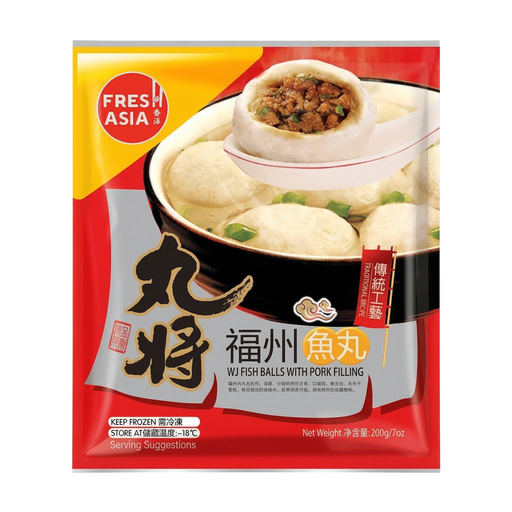
Why This Fits Their Persona: A compact pack for students, couples or first-time buyers who want to try filled Chinese fish balls without committing to a large bag.
The label identifies the filling and states that it requires cooking, avoiding confusion with ready-to-eat chilled products.
Fuzhou-style format, pork-filled centre and a 200g frozen pack suited to soups, noodles and hot pot.
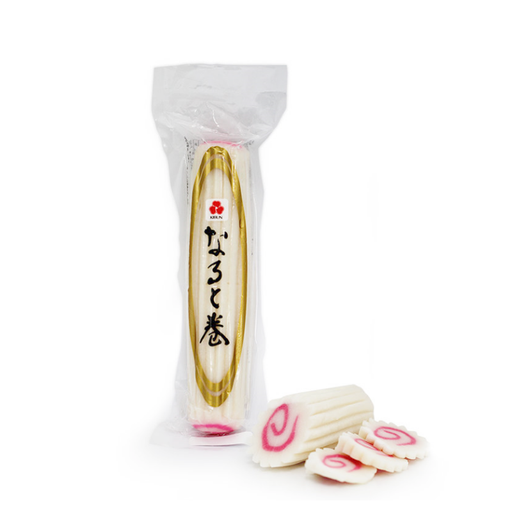
Why This Fits Their Persona: Suitable for home cooks who want a recognisable Japanese ramen garnish with a mild flavour and pre-sliced convenience.
It is clearly presented as a refrigerated 160g product, so shoppers can plan around its shorter post-opening life.
Pink spiral narutomaki design, pre-sliced format and compatibility with ramen, udon, soba and soups.
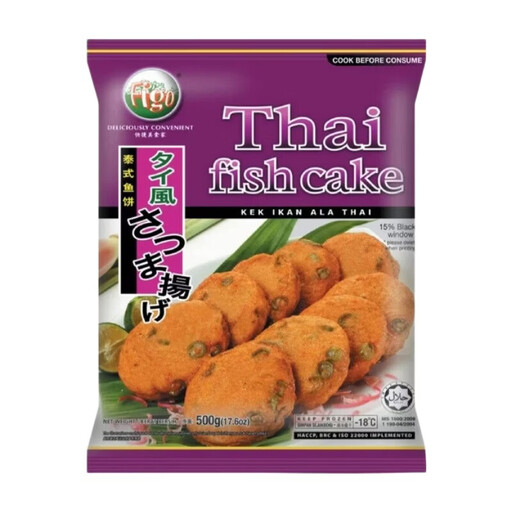
Why This Fits Their Persona: A larger frozen pack for families, shared meals and regular Thai-style cooking, including noodle soups and hot pots.
The listed minimum 60% fish content and stated cooking directions give more useful information than flavour language alone.
500g pack, Thai herbs and chilli, with instructions for frying, steaming, stir-frying and boiling.
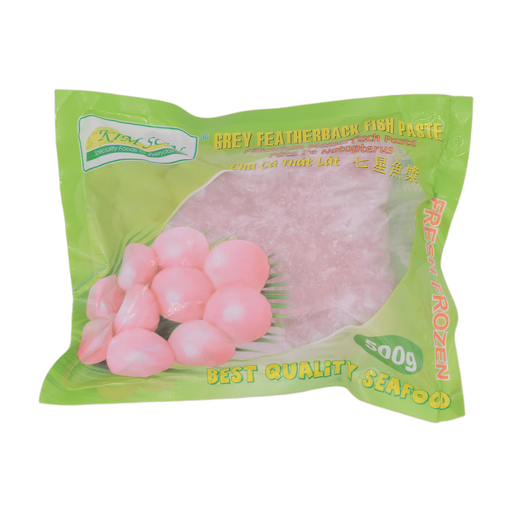
Why This Fits Their Persona: A practical base for cooks who want to shape their own Vietnamese-style fish cakes, fish balls or hot-pot ingredients.
It is sold as fish paste rather than a finished snack, making the preparation requirement clear.
Single-ingredient grey featherback fish paste in a 500g vacuum-packed frozen format.
We have compiled a complete, real-time list of products that fully satisfy these strict selection criteria and UK safety regulations.
Not always. Many frozen fish balls require cooking, even if they are pre-formed. Check whether the label says “cooking required” and follow the stated time or temperature. Chilled products may be ready to eat, but heating them thoroughly can improve serving quality.
Usually, yes, when the packaging gives hot-pot instructions. Add them to boiling broth and allow enough time for the centre to heat through. Larger filled fish balls and dense fish tofu may need longer than thin slices of kamaboko or narutomaki.
Keep them at -18°C or below until the best-before date shown on the packaging. Once thawed, do not refreeze. For the clearest guidance, follow the individual product label, as storage periods and post-thaw instructions vary.