
24/7 Customer Support

Free returns

Same-day & Next-day Delivery

Quality Guaranteed

Unlock Your Welcome Offers: FREE Delivery | Up to 80% OFF | Free 30-day JoyPlus trial
Download the APP
Finding reliable Asian food groceries in the UK can be harder than expected. A colourful packet may suggest an authentic recipe, yet the product may be unsuitable for your diet, too large for your storage space or difficult to use before its best-before date.
Whether you are preparing Thai food, stocking up on instant noodles, recreating Japanese food, exploring Korean food or building a plant-based pantry, a few checks can prevent disappointing purchases.
Asian cuisine covers many distinct food traditions. A Thai fish sauce, Indonesian sweet soy sauce and Japanese soy sauce are not interchangeable in every recipe. Check the country of origin, intended use and flavour profile rather than relying only on terms such as “Asian-style” or “authentic Asian food”.
For example, sweet soy sauce is thick and sugary, while fish sauce is thin, salty and intensely savoury. Both are useful Asian sauces, but they perform very different roles.
Bulk Asian ingredients can offer practical value for families, restaurants and shared houses, but a 20kg rice sack or 40-pack of noodles needs suitable cupboard space. Once opened, rice should be kept tightly sealed in a cool, dry place. Refrigerated or frozen products also need space and prompt use.
Before buying, consider:
Asian pantry essentials may contain wheat, soy, sesame, fish, shellfish, molluscs, celery or milk. These can appear in sauces, seasoning sachets, noodles and ready meals, including products that look vegetarian.
Always check the current packaging before purchase, particularly if you have an allergy or are buying for children. Instant noodles and sauces can also be high in salt, sugar or saturated fat, so compare the nutrition panel and serving size instead of judging by the packet size alone.
Rice and noodles come in several formats:
Read the cooking instructions carefully. Some noodles require boiling and draining, while others are designed for soaking or adding to broth.
Vegetarians and vegans should look beyond front-of-pack wording. Oyster sauce, fish sauce, shrimp powder and meat flavourings are not suitable for a vegetarian diet. Some plant-based products still contain soy, wheat or sesame.
For gluten-free cooking, do not assume that rice-based products are automatically safe. Cross-contact statements and sauce ingredients should be checked on the label. Thai Crown Glutinous Rice Flour, for example, is made from 100% glutinous rice flour; “glutinous” refers to texture and does not mean it contains gluten. It still requires cooking and should not be eaten raw.
A low-priced small bottle may cost more per millilitre than a larger one, but the larger option is only economical if you will use it before quality declines. Compare net quantity, not just the displayed price.
For everyday cooking, a small bottle of sauce, a 400g noodle pack or a five-pack of instant noodles may be easier to manage. Professional chefs, large households and frequent meal-preppers may prefer bulk rice, sauce or noodle multipacks.

Why This Fits Their Persona: A five-pack gives students, first-time shoppers and busy households a manageable introduction to Indonesian food without committing to a bulk carton.
The pack size is smaller than a catering multipack, making storage and use-by planning simpler. The label clearly identifies wheat, soy and celery allergens.
Five 80g portions; dry stir-fried noodle format; includes seasoning, oil and crispy fried onion components.
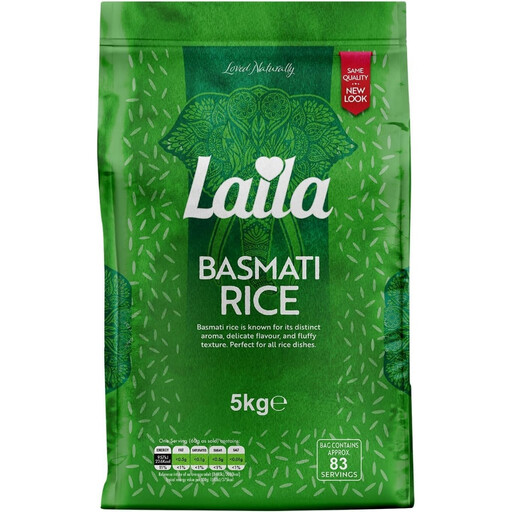
Why This Fits Their Persona: Suitable for home cooks who want a versatile South Asian staple for biryani, pilau, curries and everyday meals.
The 5kg size is substantial but more manageable for domestic cupboards than a food-service sack. Storage guidance recommends an airtight container after opening.
100% basmati rice; suitable for vegetarians and vegans; no listed allergens.
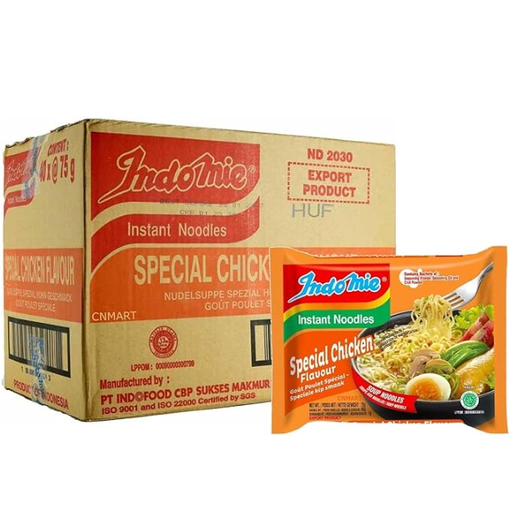
Why This Fits Their Persona: Designed for offices, large households, caterers and shoppers who regularly prepare convenient noodle meals.
The quantity is clearly stated as 40 individual 75g packs, reducing confusion between inner bags and total portions. Store it dry and away from direct sunlight.
40 individual packs; three-minute boiling preparation; contains wheat, soy and sesame allergens as listed.
A useful starter selection might include one rice variety, one noodle format, an everyday sauce and a flexible ingredient such as bamboo shoots or dried anchovies. For Southeast Asian groceries, consider Thai food ingredients such as fish sauce, rice vermicelli and oyster sauce. For Korean food, dried anchovies can support soup stock, while Japanese food may call for different noodles, rice and seasoning formats.
Buy according to recipes you will actually cook, then expand gradually. This approach reduces forgotten jars, unsuitable bulk packs and duplicated ingredients.
We have compiled a complete, real-time list of products that fully satisfy these strict selection criteria and UK safety regulations.
Start with ingredients that work across several meals: rice, noodles, soy-based sauces, chilli or curry seasonings and a neutral cooking oil. Choose small or medium packs until you understand your household’s consumption.
Instant noodles are convenient, but many varieties are high in salt and fat. Check the nutrition panel, follow the serving guidance and consider adding vegetables, tofu or another ingredient to create a more varied meal.
Keep unopened dry goods in a cool, dry cupboard. Transfer opened rice and flour to airtight containers, refrigerate sauces where the label advises it, and follow frozen-food instructions for ready meals such as kimbap. Always check the packaging for the latest storage, allergen and date information.