
24/7 Customer Support

Free returns

Same-day & Next-day Delivery

Quality Guaranteed

Unlock Your Welcome Offers: FREE Delivery | Up to 80% OFF | Free 30-day JoyPlus trial
Download the APP
Shopping for Asian food ingredients and snacks online can be convenient, but attractive packaging does not always explain how a product should be prepared, stored or used. A small packet may be ideal for occasional cooking, while a larger pack can offer better value for households making soups, stir-fries or hot pot dishes regularly.
As the Joybuy Product Recommendation Officer, I focus on practical details that help UK shoppers compare products without relying on exaggerated claims.
Many dried Asian ingredients need soaking, boiling or thorough cooking. Dried mushrooms, black fungus, dried bean curd sticks and dried wakame are not interchangeable with ready-to-eat snacks.
Always check the usage instructions. For example, dried shiitake slices require rehydration and cooking, while roasted sesame seeds and roasted edamame can be eaten directly.
A 50g bag of dried black fungus may look small, but it expands after soaking. Conversely, a light snack pack is normally priced for immediate consumption rather than recipe volume.
Compare net quantity, expected use and whether the product is concentrated or ready to serve. This is particularly important when choosing Asian pantry staples for weekly meals.
Asian ingredients can contain or come into contact with soya, sesame, wheat, milk, crustaceans or molluscs. Seaweed products may also have relatively high salt values, depending on the format and processing.
Read the ingredients and allergen information on the product page and packaging. Do not rely solely on terms such as “natural”, “traditional” or “plant-based”.
For simple cooking, products with a short ingredient list can be easier to assess. Examples include:
For snacks, check whether sugar, palm oil, seasoning or flavour enhancers are included. A product can still be suitable for a vegetarian or vegan diet, but the full allergen statement should be checked first.
Preparation affects convenience. Pre-sliced dried mushrooms can be easier to portion than whole mushrooms. Dried wakame generally needs only a short soak, while black fungus must be soaked until fully expanded and then cooked.
For hot pot ingredients, check whether the product is:
Follow the packaging instructions, particularly for dried mushrooms and fungus. Do not eat products marked as requiring cooking before they have been properly prepared.
Most dried Asian ingredients should be kept in a cool, dry place away from direct sunlight and moisture. Once opened, transfer them to an airtight container where appropriate. This helps protect texture and aroma, especially for sushi nori, dried herbs, spices and roasted seeds.
For snacks, reseal the pack and consume within the stated guidance. Humidity can quickly soften crisp seaweed and puffed corn snacks.
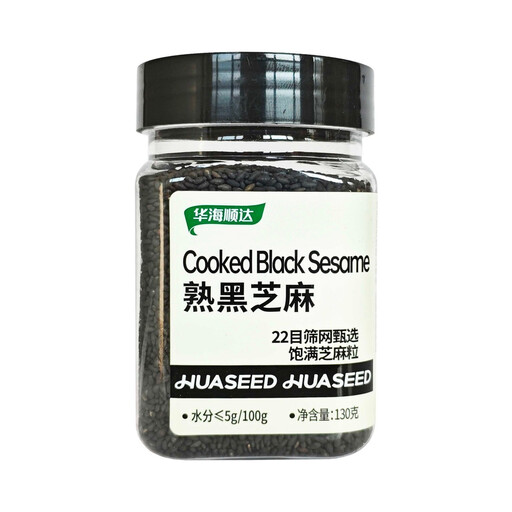
Why This Fits Their Persona: A straightforward way to add an Asian pantry staple to rice, noodles, salads, sushi or baking without buying several specialist ingredients.
The 130g bottle clearly states that the ingredient is cooked black sesame at 100%, while the usage instructions explain that it is ready to eat.
Roasted format; resealable bottle; suitable for garnishing savoury dishes and desserts. Contains sesame.
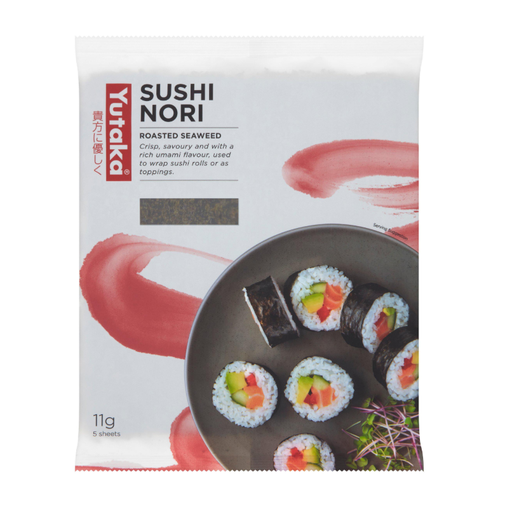
Why This Fits Their Persona: A practical Japanese ingredient for shoppers who want to prepare sushi rolls, onigiri or seaweed garnishes at home.
The pack size is specified as five roasted sheets, making it easier to judge quantity instead of estimating from the front-of-pack image.
100% seaweed ingredient; roasted and ready to handle. Check the shellfish cross-contact warning before purchase.
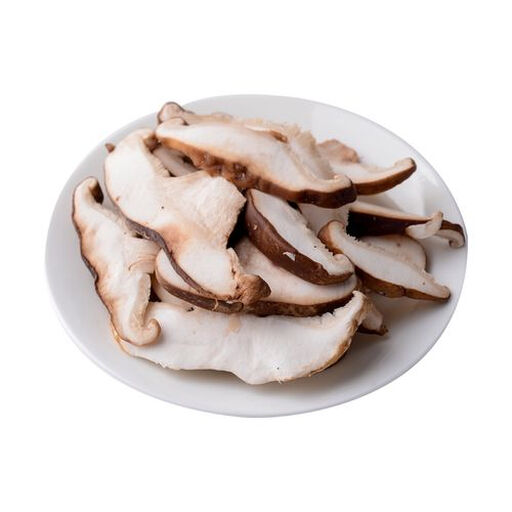
Why This Fits Their Persona: Sliced dried mushrooms suit regular cooks preparing soups, noodles, stir-fries, braised dishes and hot pot meals.
The sliced format reduces preparation work, but the listing still clearly states that soaking and thorough cooking are required.
100g pack; pre-sliced pieces; listed soaking time of 15–20 minutes; soaking water can be strained for cooking.

Why This Fits Their Persona: A convenient savoury snack for work, travel or home, particularly for shoppers looking for a crisp alternative to conventional crisps.
The ingredient list identifies soya beans at 99% with salt, so shoppers can assess the recipe rather than relying on general wellness language.
Ready to eat; 100g pack; roasted texture; contains soya and provides 45g protein per 100g as listed.
We have compiled a complete, real-time list of products that fully satisfy these strict selection criteria and UK safety regulations.
For Japanese recipes, dried wakame works in soups, salads and noodle dishes after rehydration. For Chinese cooking ingredients, black fungus, bamboo shoots and dried bean curd sticks can add texture to stir-fries, braises and hot pot recipes.
For seasoning, dried lemongrass, bay leaves and thyme offer longer storage than fresh herbs. For Korean snacks and everyday treats, dried sweet potato, dried dragon fruit and corn snacks are convenient options, but check sugar, oil and allergen information before ordering.
Keep unopened products in a cool, dry cupboard, away from sunlight and steam. After opening, reseal the packaging or use an airtight container. Avoid storing dried seaweed or mushrooms near the hob, kettle or dishwasher, where humidity can affect quality.
Yes. Rinse and soak them according to the packaging instructions, then cook thoroughly. Dried black fungus should be fully rehydrated before use and should not be eaten straight from the packet.
Some are, including products made solely from seaweed, mushrooms, sesame, herbs or soya beans. However, seasonings and snacks may contain milk, seafood-derived ingredients or other allergens. Check the complete ingredients and allergen statement for every product rather than relying on the product category alone.