
24/7 Customer Support

Free returns

Same-day & Next-day Delivery

Quality Guaranteed

Unlock Your Welcome Offers: FREE Delivery | Up to 80% OFF | Free 30-day JoyPlus trial
Download the APP
Shopping for Asian food online in the UK can be more convenient than visiting several specialist shops, but product pages do not always tell the full story. A low price may reflect a small serving, while an attractive “authentic” label may hide complicated preparation, unclear storage requirements or allergens that do not suit your household.
Whether you are searching for Korean food online, Chinese food online, Japanese food online or general Asian groceries UK shoppers can order conveniently, use the following checks before adding products to your basket.
Some products can be eaten after defrosting, while others require thorough cooking. Frozen Korean dumplings, karaage and buns must be heated properly, even if preparation takes only a few minutes. Conversely, cooked clam meat and some refrigerated fried chicken products may be ready to eat, although reheating can improve texture.
Always check whether the product is labelled ready to eat, cooking required or heat thoroughly before consumption.
Frozen Asian food needs continuous storage at -18°C or below. If your delivery includes frozen seafood, Korean fried chicken or Korean dumplings, make sure you have adequate freezer space before ordering. Products that must be refrigerated, such as pre-sauced chicken, should not be treated like pantry goods.
A product’s format also affects value. A 250g ready meal may suit one person, while a 600g frozen pack may work better for a family meal or several portions.
Country of origin can be useful, but it does not tell you everything about flavour, preparation or suitability. Compare the ingredient list, serving size, sauce content, cooking method and allergens. For example, two tteokbokki products may both offer chewy rice cakes, but their spice level, portion format and microwave instructions can differ considerably.
For frozen products, look for clear instructions covering:
For example, frozen gyoza can generally be pan-fried, steamed or boiled, while frozen char siu buns are designed for steaming. Selecting a product that matches your kitchen equipment helps avoid waste.
Asian groceries often contain wheat, soya, sesame, milk, egg, fish, crustaceans or molluscs. Tteokbokki sauce may contain wheat and soya; dumpling wrappers commonly contain wheat; seafood mixes require particular care for shellfish and mollusc allergies.
Read the full ingredient list rather than relying only on the front label. Products may also state that they are made in facilities handling other allergens.
Check net weight alongside preparation style. Ready-to-eat Asian snacks are convenient, but a single pack may be intended as a snack rather than a complete meal. Nutritional tables can help you compare salt, sugar, fat and protein between similar products.
For larger households, multipacks of cooked rice, frozen dumplings, seafood or karaage may be more practical than several individual portions. For students and busy workers, microwaveable rice and instant tteokbokki can reduce preparation time without requiring a full pantry of ingredients.
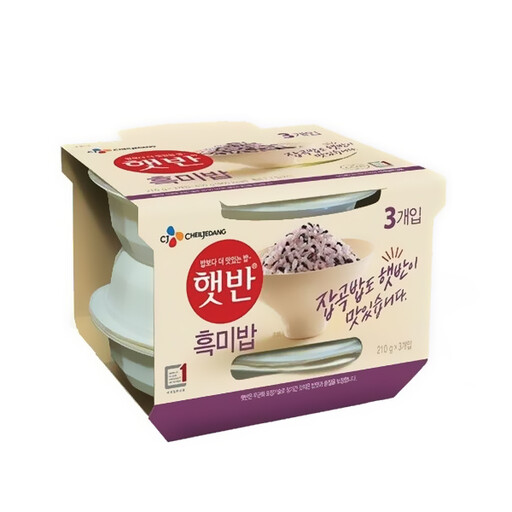
Why This Fits Their Persona: A practical three-pack for students, flat-sharers and anyone building an Asian-inspired meal without buying a rice cooker.
The pack is ambient-stable, so it avoids the freezer-space issue common with frozen Asian food. Each 210g portion is clearly sized for quick meal planning.
Microwaveable format; three individual portions; ingredients include white rice, glutinous rice and black rice.
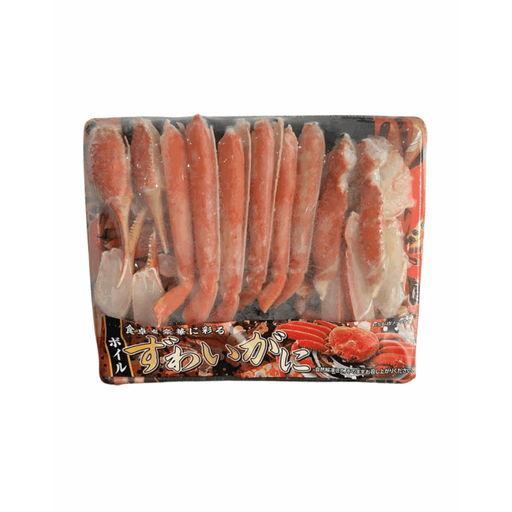
Why This Fits Their Persona: Suitable for seafood lovers planning a hotpot, sharing meal or special dinner at home.
The product description specifies cooked snow crab, frozen storage and refrigerator thawing, making the preparation route clear before purchase.
Designed for hotpot; contains snow crab only; provides 20.8g protein per 100g according to the product information.

Why This Fits Their Persona: A larger frozen pack for family dinners, lunchboxes or a flexible meat-free side dish.
The pack states that cooking is required and gives pan-fry, steam and boil methods, removing uncertainty about preparation.
Contains 53% vegetables; 600g pack; suitable for pan-frying, steaming or boiling. Contains wheat, soya and sesame.
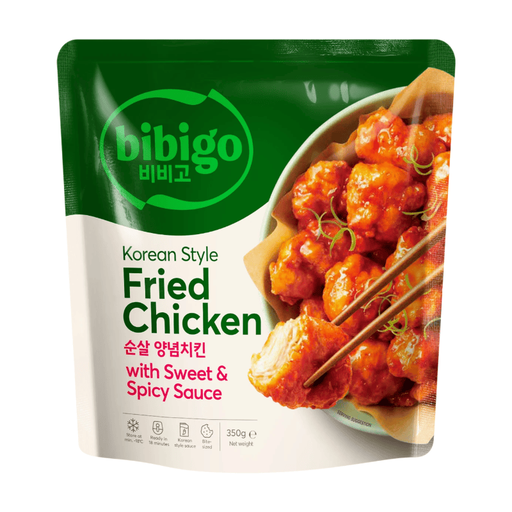
Why This Fits Their Persona: Useful for parties, film nights and customers who want Korean fried chicken without preparing raw poultry.
The pack provides air-fryer, oven, pan-fry and deep-fry instructions, while the sauce is supplied separately for controlled mixing.
Chicken leg meat accounts for 69.9%; 350g pack; sauce includes gochujang, garlic and honey. Contains wheat and soya.
We have compiled a complete, real-time list of products that fully satisfy these strict selection criteria and UK safety regulations.
For a quick Korean snack, Yopokki Sweet and Spicy Topokki 140g uses a microwave cup format and cooks in two to three minutes. If you are looking for Asian snacks, Zhou Hei Ya Braised Shiitake Mushrooms are ready to eat and can be served with rice or packed for lunch.
For Chinese cooking, pickled mustard greens or pickled cabbage can add a salty, tangy element to soups and stir-fries. Seafood lovers can compare cooked clam meat, snow crab, seafood cocktail mix and cooked clams in the shell, checking mollusc and crustacean information carefully.
It depends on delivery fees, pack size and whether you are buying several items together. Online shopping can make price-per-100g comparisons easier and may reduce travel, but frozen deliveries require suitable storage and may have separate delivery conditions.
Transfer frozen products to a freezer at -18°C or below as soon as possible. Follow the packaging instructions, defrost seafood in the refrigerator where specified and do not refreeze items after thawing unless the label explicitly allows it.
Microwaveable cooked rice, tteokbokki cups, ready-to-eat sausages and pre-sauced Korean fried chicken can reduce preparation time. For a fuller meal, combine a convenient main item with rice, vegetables or dumplings, while checking whether the product requires cooking and which allergens it contains.