
24/7 Customer Support

Free returns

Same-day & Next-day Delivery

Quality Guaranteed

Unlock Your Welcome Offers: FREE Delivery | Up to 80% OFF | Free 30-day JoyPlus trial
Download the APP
Buying Asian food online in the UK can make specialist ingredients, frozen convenience foods and household products much easier to access. However, attractive packaging and familiar dish names do not always tell you what matters most: pack size, allergens, storage, preparation method and whether the product suits your household.
This guide explains the checks worth making before ordering, followed by practical recommendations for different shopping needs.
A product may look suitable for a family meal, but the net weight can be smaller than expected. Compare the total weight, number of portions and whether the product contains sauce, filling or coating. A 250g pack of Korean fried chicken serves differently from a 1.2kg frozen bag.
Frozen Asian food normally needs to remain at -18°C or below. Chilled products, such as refrigerated fried chicken or premium beef steak, have different temperature requirements and use-by instructions. Check whether you have enough freezer space and follow the packaging guidance as soon as your order arrives.
“Korean”, “Japanese” or “Vietnamese” on the front of a pack describes the style, not necessarily the complete recipe. Read the ingredient list for wheat, soya, fish, shellfish, eggs, milk, peanuts, sesame and molluscs. This is particularly important when buying gyoza, fish balls, beef balls or sauces.
Look for the quantitative ingredient declaration where available. For example, the Hamamatsu Karaage Fried Chicken Pieces list 58.5% chicken, while the FRESHASIA mixed fish balls list 70% fish surimi. These figures help you compare products more meaningfully than front-of-pack descriptions alone.
For allergen management, remember that recipes and packaging can change. Always check the current label before eating. The AJINOMOTO Gyoza Pork 600g contains wheat, soya and sesame, while Vietnamese-style beef tendon balls contain fish and wheat. Products may also carry “may contain” warnings for additional allergens.
Frozen products are not automatically ready to eat. Japanese karaage, Japanese gyoza, Korean corn dogs and most hot pot ingredients require thorough cooking. Check whether the product should be cooked from frozen or thawed first.
Examples include:
Choose according to how you plan to eat the item:
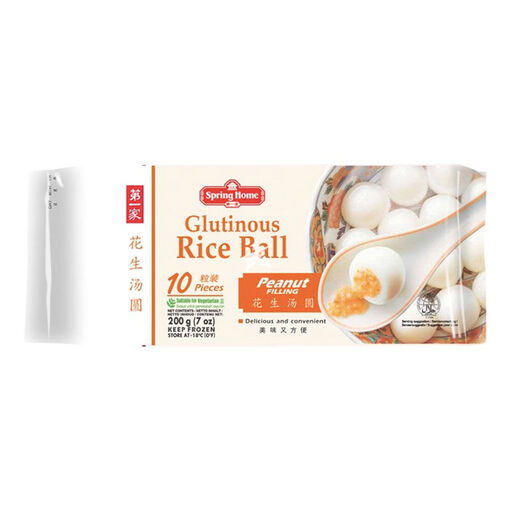
Why This Fits Their Persona: A compact 200g pack lets students, couples and first-time shoppers try a traditional sweet snack without committing to a large quantity.
The product information clearly states that it is frozen, requires cooking and contains peanuts, helping shoppers avoid treating it as a ready-to-eat snack.
Peanut filling, glutinous rice flour wrapper and a stated 5–7 minute boiling method.
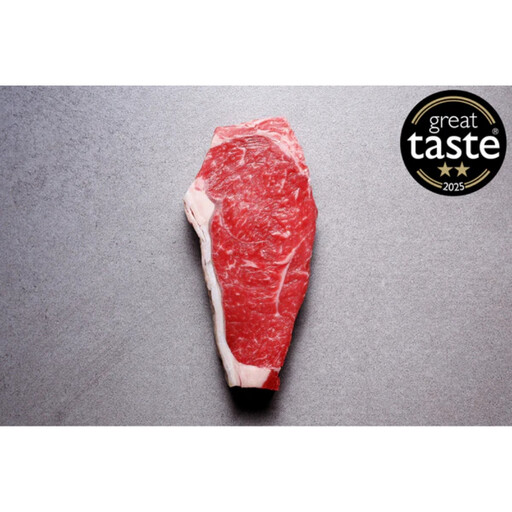
Why This Fits Their Persona: Suitable for shoppers planning a restaurant-style dinner at home and looking for a single 250g sirloin portion from a UK producer.
Its description identifies the cut, 100% beef composition and refrigerated storage range of 0°C to 4°C rather than relying only on quality language.
Prime dry-aged beef sirloin, 250g net quantity and UK country of origin.
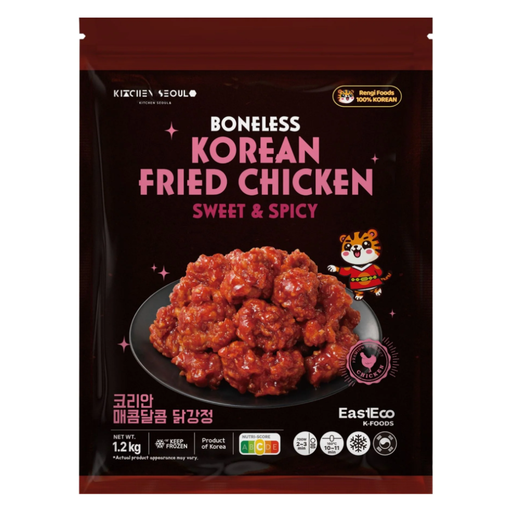
Why This Fits Their Persona: The larger frozen pack suits families, parties and households wanting several quick Korean-style meals from one order.
The listing states the 1.2kg quantity, frozen storage requirement and allergens including soya and wheat, making the practical trade-offs visible.
Boneless chicken, spicy-sweet glaze and preparation using an air fryer or oven.
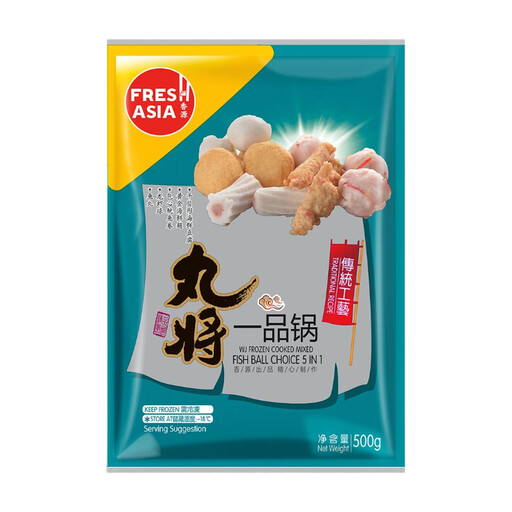
Why This Fits Their Persona: A versatile option for hot pot, soups, stir-fries and quick snacks, useful for busy families and multicultural households.
The listing identifies fish, soya, eggs, wheat and squid allergens, as well as the need to cook the frozen product until piping hot.
500g pack, 70% fish surimi and several stated cooking uses.
We have compiled a complete, real-time list of products that fully satisfy these strict selection criteria and UK safety regulations.
A single order can cover more than dinner. Consider Japanese gyoza, Vietnamese-style beef tendon balls or pork meatballs for soup and hot pot recipes. For convenience, Korean corn dogs and Korean fried chicken can reduce preparation time, but still require careful checking of cooking instructions.
Selected non-food products may also be useful for UK households:
It can be, provided you check the seller’s product information, allergen declarations, storage conditions and delivery guidance. Frozen products should arrive suitably cold and be returned to the freezer promptly where appropriate. Do not use damaged or incorrectly stored food.
Some products are designed for direct cooking from frozen, including certain gyoza, fish balls and fried chicken. Others, such as Vietnamese-style beef tendon balls, may instruct you to thaw first. Follow the individual packaging instructions rather than applying one method to every product.
Start with pack sizes that match your household. Smaller packs such as 200g glutinous rice balls or 250g meatballs are useful for trial purchases, while 500g fish balls and 1.2kg fried chicken may offer more practical value for families with sufficient freezer space. Grouping products by frozen, chilled and ambient storage also makes unpacking easier.