
24/7 Customer Support

Free returns

Same-day & Next-day Delivery

Quality Guaranteed

Unlock Your Welcome Offers: FREE Delivery | Up to 80% OFF | Free 30-day JoyPlus trial
Download the APP
Buying Asian food products 450g can make weekly cooking easier, but pack size alone does not tell you whether an item suits your household. A 450g jar may serve four, while a frozen pack may need to be cooked in one sitting after opening. Snacks, sauces, dumplings and vegetables also vary considerably in storage requirements, allergens and preparation time.
This guide helps UK shoppers compare Asian cooking ingredients, frozen foods and snacks without relying on exaggerated packaging claims.
A jar of sauce may be designed to serve four when combined with meat, tofu or vegetables, whereas a bag of dumplings may be used across several meals. Check the serving information, not just the net weight. Consider what else you need to buy, such as rice, noodles, protein or cooking oil.
Plantain chips can be eaten straight from the pack, but frozen dumplings, bao buns and scallion pancakes require thorough cooking. Bamboo shoots may also need draining and rinsing before use. Always follow the preparation instructions and avoid eating products marked cooking required without heating them properly.
Asian sauces and prepared foods can contain wheat, soya, sesame, milk, mustard, fish or celery. “Vegan Asian food” is not automatically free from soya or wheat, and “gluten-free Asian food” still requires careful label checking for other allergens.
Storage is equally important. Ambient curry sauces can usually be kept in a cool, dry cupboard before opening, while Chinese frozen food must remain at -18°C or below. Once opened, some products must be refrigerated or consumed immediately.
Use the pack size as a planning tool:
A product with a slightly different stated weight should also be noticed. For example, the Chang bamboo shoot pack is listed as 454g, despite being grouped with 450g products.
Compare the first few ingredients and the nutrition panel per 100g. This makes it easier to compare curry sauces, snacks and cooking ingredients consistently.
For example, Patak’s Vindaloo Sauce lists 70 kcal and 0.55g salt per 100g, while Patak’s Butter Chicken Sauce lists 101 kcal and 0.59g salt per 100g. The sauces also differ in suitability: the Vindaloo Sauce is listed as suitable for vegans, while the Butter Chicken Sauce contains milk.
Plantain chips are generally energy-dense because they are fried. Tropical Sun Plantain Chips Chilli lists 535 kcal and 1.5g salt per 100g. Naturally Sweet Plantain Chips list 526 kcal and 0.03g salt per 100g according to the supplied product information. These figures help shoppers choose according to taste and eating occasion rather than assuming every flavour has the same profile.
For frozen products, check that your freezer can maintain the required temperature and that there is enough space for flat or bulky packaging. Cook frozen dumplings and pancakes according to the label, and do not refreeze after thawing.
For ambient products, note the instructions after opening. Ben’s Original Sweet & Sour Sauce should be refrigerated and used within three days once opened. Carnation Drizzle Caramel should be refrigerated and consumed within one week after opening. These details can affect value, particularly for smaller households.
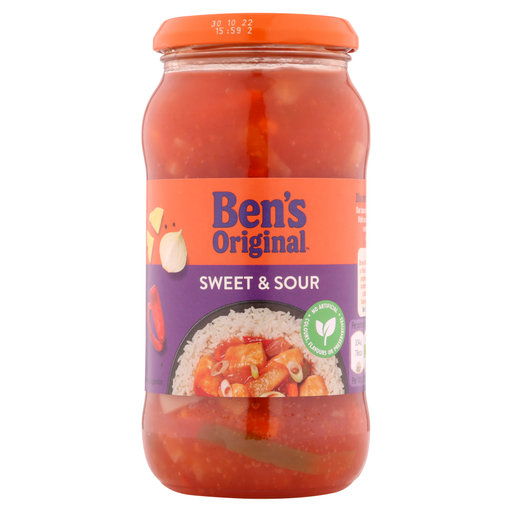
Why This Fits Their Persona: The jar is listed as serving four and includes bamboo shoots, carrot, onion and peppers, helping turn simple chicken or tofu into a meal with limited preparation.
The serving guidance clarifies how much extra food is needed, while the label states that opened sauce should be refrigerated and used within three days.
Vegetarian and vegan suitable according to the supplied details; preparation is described as a five-minute simmer after adding ingredients.
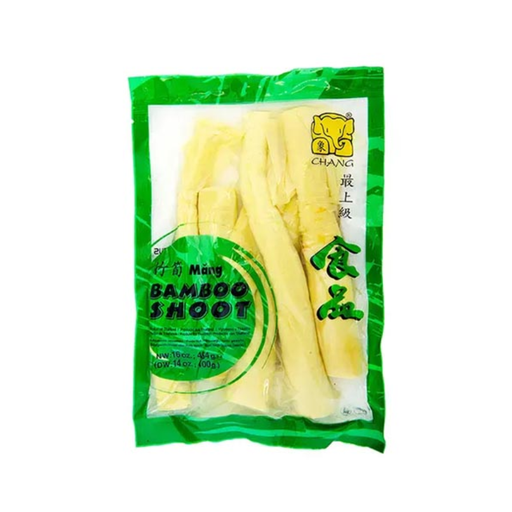
Why This Fits Their Persona: A useful cupboard ingredient for shoppers who want a distinct crunchy texture in hotpot, stir-fries, soups or salads.
The instructions clearly state that it is not ready to eat: drain and rinse before boiling, stir-frying or adding to a soup.
The vacuum pack is ambient-storable before opening, and the supplied nutrition information lists 19 kcal per 100g.
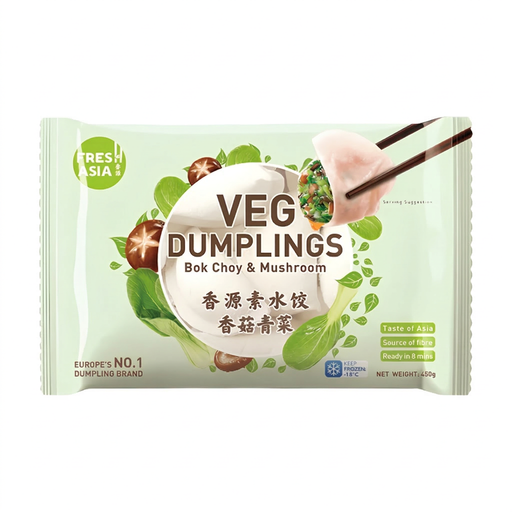
Why This Fits Their Persona: Suitable for busy households, students and meat-free diners who need a freezer option that can be steamed, boiled or pan-fried.
The pack specifies cooking from frozen and states not to refreeze after thawing, reducing uncertainty around freezer handling.
The filling includes green vegetables, shiitake mushroom and tofu; allergens listed include soya, wheat and sesame.
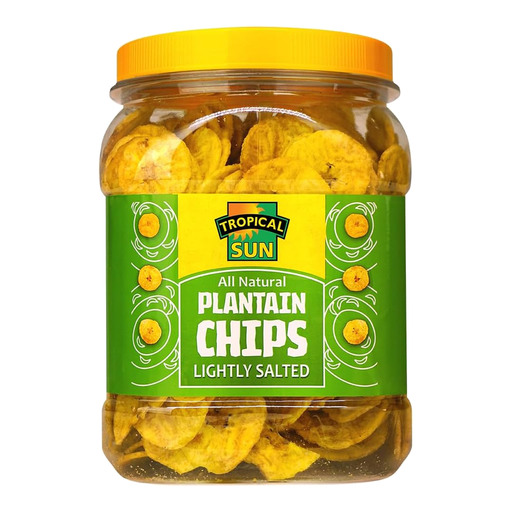
Why This Fits Their Persona: A ready-to-eat option for parties, film nights, lunch boxes or serving with salsa, guacamole and hummus.
The ingredients are short and clearly stated as green plantains, palm oil and salt, while the product is labelled ready to eat.
The supplied details list no known allergens and recommend resealing after opening to help retain crispness.
We have compiled a complete, real-time list of products that fully satisfy these strict selection criteria and UK safety regulations.
Many are. Curry sauces can be combined with vegetables, tofu or meat, while frozen dumplings, bao buns and chopped spinach can provide convenient components for lunches and evening meals. Check whether the product is ambient or frozen before planning several portions.
Keep frozen products at -18°C or below, cook them according to the packaging and do not refreeze once thawed. Products such as dumplings, bao buns and prepared fish dishes generally require thorough cooking before serving.
Read the full ingredient list and allergen statement every time, including for familiar products. Wheat, soya, sesame, milk, mustard, fish and celery appear in some Asian sauces and frozen foods. Product recipes can change, so the packaging remains the final source of information.