
24/7 Customer Support

Free returns

Same-day & Next-day Delivery

Quality Guaranteed

Unlock Your Welcome Offers: FREE Delivery | Up to 80% OFF | Free 30-day JoyPlus trial
Download the APP
Finding authentic Asian food products in the UK is easier than ever, but choosing the right item still requires care. A colourful packet or “restaurant-style” claim does not always tell you how salty, sweet, spicy or practical a product will be in your kitchen.
Whether you are looking for Chinese spices, Filipino food products, Thai seasoning or Asian snacks, check the details behind the front-of-pack marketing. The right choice should match your recipe, cooking time, dietary requirements and storage arrangements.
Seasoning mixes are usually formulated for a particular dish. A dumpling seasoning may contain aromatic spices such as Sichuan pepper and star anise, while a fried rice seasoning may rely on salt, sugar, garlic and savoury flavourings. Substituting one for another can produce an unbalanced result.
Check the recommended quantity and intended dish before buying. A product designed for 500g of rice may not be suitable for a small serving, and a marinade mix may require additional meat, water or refrigeration.
Small sachets can contain concentrated ingredients. For example, Lobo Oriental Fried Rice Seasoning Mix lists 18.6g of salt per 100g, while Mama Sita’s Tocino Marinating Mix contains 79.4g of sugars per 100g. These figures do not mean the whole packet is consumed in one sitting, but they show why serving guidance matters.
Use the per-serving information where available, and consider the other sauces or ingredients added to the dish.
A product’s origin can help you understand its culinary context, but it does not replace checking ingredients. Look for:
This is particularly important when buying products containing peanuts, sesame, wheat, soya, sulphites or possible traces of other allergens.
Choose between dry spice blends, ready-to-use sauces, marinade powders, snacks, dessert toppings and baking mixes according to how much preparation you want to do.
In the UK, allergens must be highlighted on food labels. Common examples in this category include:
Always read the packaging supplied with your order, as formulations and advisory statements can change.
A dry spice blend generally needs a cool, dry cupboard and an airtight seal after opening. Snacks need protection from moisture to retain their texture. Preserved fruit mixes should usually be refrigerated after opening, while meat marinades and fermented products require careful handling.
Products that require cooking should not be eaten dry. Follow the stated cooking method, use safe internal temperatures for meat and seafood, and refrigerate prepared food promptly.
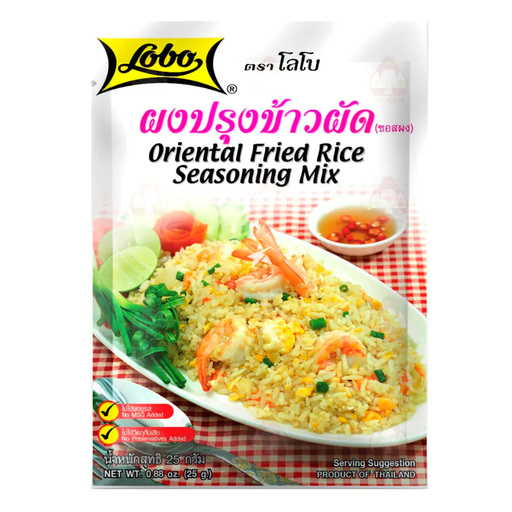
Why This Fits Their Persona: A compact option for UK shoppers trying convenient Asian seasoning mixes without buying a large selection of separate spices. One packet is intended for approximately 500g of cooked, cooled rice.
The instructions state the rice quantity, cooking time and soya allergen, making it easier to judge portions before purchase.
Dry 25g format; mixes into cooked rice; suitable for adding vegetables and cooked protein.
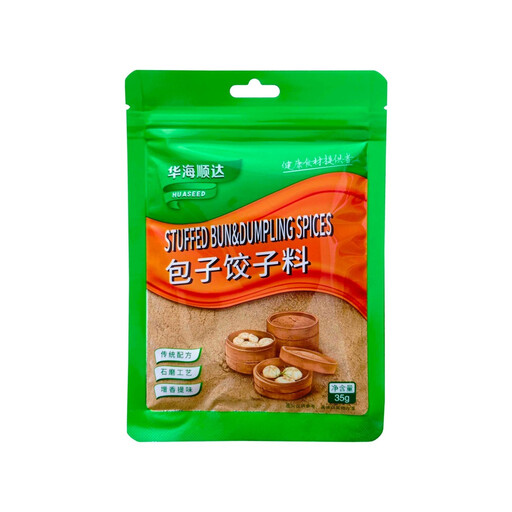
Why This Fits Their Persona: Suitable for home cooks who want a defined Chinese spice profile for dumplings, baozi or wontons while retaining control over the meat or vegetable filling.
The pack lists its ingredients, including dried tangerine peel, ginger, coriander, fennel, Sichuan pepper and white pepper, plus a suggested ratio of 1–2 teaspoons per 500g of filling.
35g portion; suitable for meat and vegetable fillings; requires a 10–15 minute resting period before cooking.
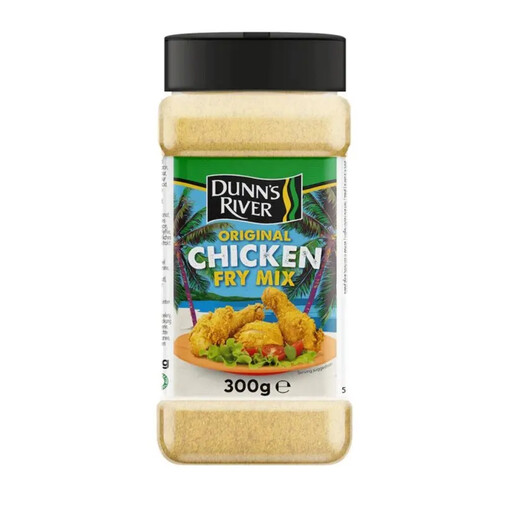
Why This Fits Their Persona: A larger cupboard pack for households that regularly prepare fried chicken, fish or vegetables and want a ready-seasoned coating.
The label identifies wheat and gluten and gives a typical 10g serving, helping frequent users account for allergens and salt content.
300g format; suitable for several cooking occasions; includes flour, spices, onion and garlic powder.
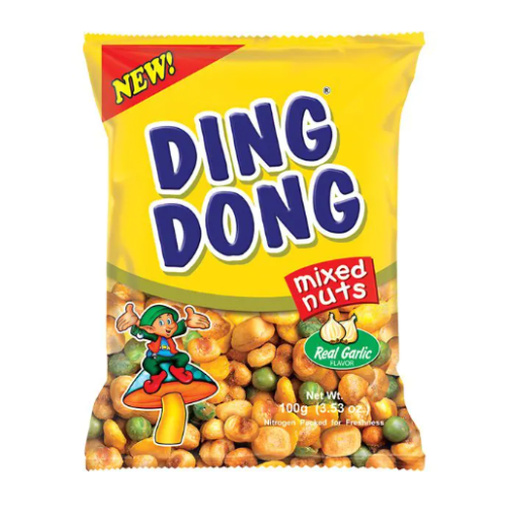
Why This Fits Their Persona: A ready-to-eat option for sharing, lunch breaks or adding texture to salads and soups.
Its ingredient and allergen details identify peanuts, wheat, soya and sesame, with possible traces of tree nuts, milk and mustard.
100g ready-to-eat pack; garlic flavour; combines peanuts, green peas and seasoned crunchy pieces.
We have compiled a complete, real-time list of products that fully satisfy these strict selection criteria and UK safety regulations.
For Filipino cooking, consider a Sinigang seasoning mix, Tocino marinade or Halo-Halo fruit mix. Mama Sita’s Sinigang Sa Sampalok Hot uses tamarind, tomato powder and chilli, while the Tocino mix is designed for pork, chicken or tofu. Monika Halo Halo Fruit Mix is ready to eat and can be layered with shaved ice, evaporated milk and ice cream.
For broader spice blends, Dunns River Mixed Spice contains coriander, cinnamon, ginger, fennel, cardamom, cassia, nutmeg and clove. Bart Baharat Spice Blend combines paprika, coriander, black pepper, cumin and warming spices. These products are suitable for shoppers exploring Caribbean spices, Middle Eastern flavours and adaptable marinades.
Dry seasoning mixes and ready-to-eat Asian snacks usually require the least preparation. Fried rice seasoning, dumpling seasoning and preserved dessert toppings include instructions that help you plan quantities and cooking steps.
Keep unopened mixes in a cool, dry cupboard away from sunlight and strong odours. Reseal opened packets or transfer them to airtight containers. Always follow the packaging instructions, particularly for products containing meat, fermented ingredients or preserved fruit.
Some are, but suitability depends on the individual product. Check the highlighted allergen information every time. Common allergens in this category include wheat, peanuts, sesame, soya and sulphites. If the label says the product may contain traces of an allergen, take that advisory statement seriously.