
24/7 Customer Support

Free returns

Same-day & Next-day Delivery

Quality Guaranteed

Unlock Your Welcome Offers: FREE Delivery | Up to 80% OFF | Free 30-day JoyPlus trial
Download the APP
Buying Asian food products online can open up Thai, Chinese, Malaysian, Singaporean and Indian cooking without a trip to a specialist shop. However, attractive packaging and words such as “authentic”, “restaurant-style” or “premium” do not always tell you whether a product suits your kitchen, dietary needs or cooking routine.
This guide explains the main buying pitfalls, the specifications worth checking and a selection of products matched to different UK households.
Many Thai curry pastes, Chinese stir-fry pastes and Asian sauces are concentrated ingredients rather than finished meals. They may need coconut milk, water, meat, tofu, vegetables or noodles before serving. Eating a paste directly can also be unsuitable where the label states that cooking is required.
Check the preparation instructions before buying. A ready-to-pour sauce, such as a Khao Soi cooking sauce, offers a different level of convenience from a concentrated 50g paste.
Asian cooking ingredients commonly include soya, wheat, fish, shrimp, coconut, mustard, sesame or milk. Ingredients can vary significantly between products with similar names. For example, Thai red or green curry pastes may contain shrimp paste, while some Chinese stir-fry pastes include both soya sauce and wheat.
Salt levels can also be considerable in concentrated pastes, seasoning sachets and instant noodles. Always read the current packaging, particularly if cooking for children, guests or anyone with an allergy.
Large jars can offer practical value for regular cooks, but opened products may require refrigeration and use within a stated period. Frozen ingredients, including galangal, need freezer space and should not be refrozen after thawing. Fried garlic and fried onions need a tightly sealed, moisture-free cupboard to retain their texture.
A smaller pack may be more suitable if you are trying a cuisine for the first time. Larger formats make more sense when a particular recipe is already part of your regular meal plan.
Look for the full ingredient list rather than relying on the dish name. A Thai curry paste containing lemongrass, galangal, kaffir lime and chilli will have a different flavour profile from a milder sauce with more sugar or thickener. If you are recreating authentic Asian food, the presence of traditional aromatics can help, but it does not remove the need to season or balance the finished dish.
For packaged food sold in the UK, allergens should be clearly highlighted on the label. Treat online descriptions as a useful starting point, then check the physical packaging when the product arrives.
Compare the quantity with how you intend to cook:
Also check whether the product requires simmering, boiling, steaming or simply sprinkling after cooking.
Shelf-stable products generally need a cool, dry cupboard before opening. Once opened, many pastes should be refrigerated. The stated period varies: some products advise use within seven days, while others allow several weeks.
Frozen products such as galangal and frozen buns need suitable storage at -18°C or below. Never assume that a product is suitable for cupboard storage simply because it appears in an online world food shop.
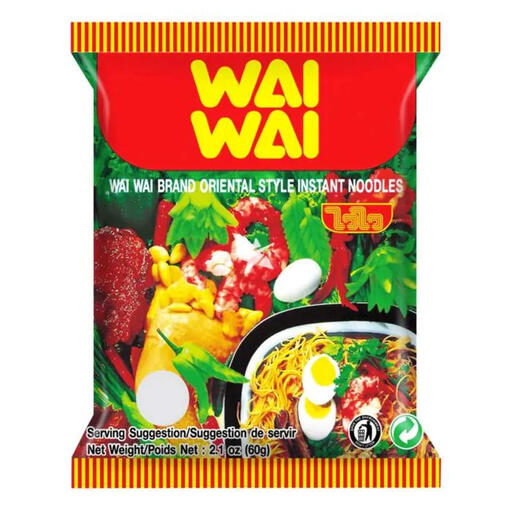
Why This Fits Their Persona: A compact cupboard staple for students, first-time Asian cooks and busy shoppers who want a quick meal without buying several separate ingredients.
The 60g portion avoids committing to a large jar before you know whether the flavour suits you. Check the label for wheat, soya and the seasoning’s salt content.
Cupboard storage; includes noodles, seasoning oil and a chilli sachet for straightforward preparation.
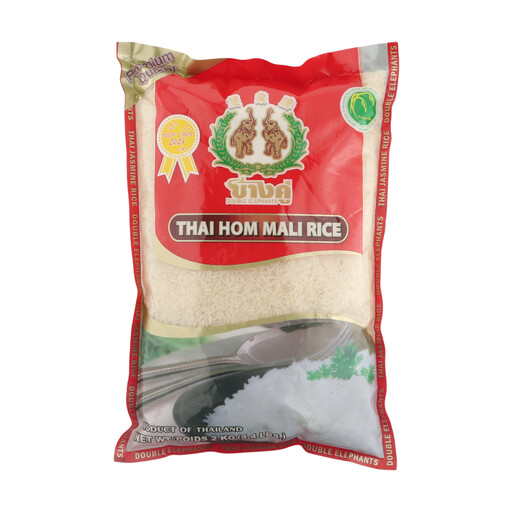
Why This Fits Their Persona: Suitable for households that regularly prepare curries, stir-fries or fried rice and want a larger staple rather than occasional microwave portions.
The product is identified as 100% jasmine rice, so shoppers can compare it directly with blended or unspecified rice products.
2kg pack; product of Thailand; suitable for steamed rice, curries and fried rice.
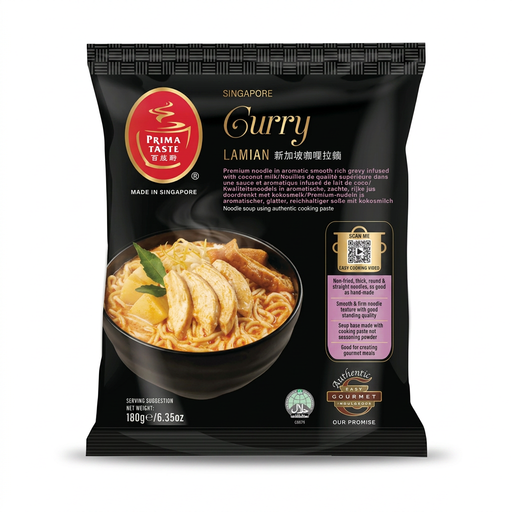
Why This Fits Their Persona: A practical choice for Singaporean laksa fans who want noodles and curry seasoning in one kit rather than sourcing each component separately.
The contents and preparation method are stated clearly: boil the noodles, simmer the laksa paste and serve hot. Allergens include coconut, soya, wheat and shrimp.
178g ready-to-cook kit; product of Singapore; can be served with additional vegetables or protein.
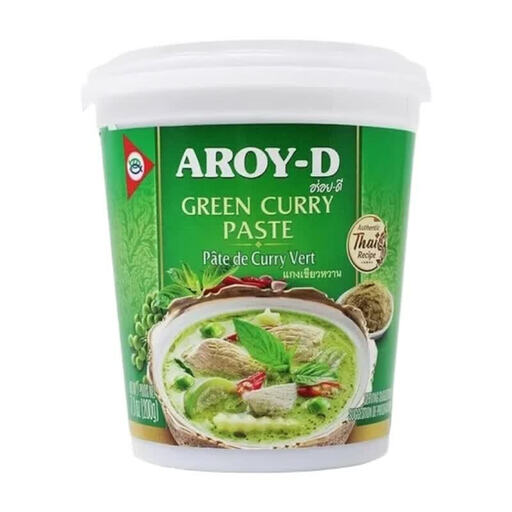
Why This Fits Their Persona: The 200g format suits cooks who make Thai green curry or related dishes regularly and prefer keeping a larger jar available.
The ingredient list identifies green chilli, garlic, lemongrass, galangal and shrimp paste, helping shoppers avoid an unsuitable purchase based only on the front label.
200g jar; contains traditional curry aromatics; refrigerate after opening and use within six weeks according to the supplied product information.
We have compiled a complete, real-time list of products that fully satisfy these strict selection criteria and UK safety regulations.
Small additions can make cupboard staples more flexible. Fried garlic adds crunch to noodles, soups and rice, while fried onions work well with laksa, curries and congee. Frozen galangal is useful for Tom Yum, Tom Kha Gai and curry pastes when fresh root is difficult to find.
For serving, Japanese tea cups can complement an Asian food gift set or everyday tea routine. Check capacity, material, microwave guidance and whether hand-washing is recommended before purchasing.
Start with one versatile curry paste or noodle kit, jasmine rice and a topping such as fried garlic or fried onions. This gives you several meal combinations without filling the cupboard with ingredients you may not use.
Usually not. Many are concentrated cooking ingredients and need coconut milk, water, vegetables or protein. Follow the preparation instructions and cook the finished dish thoroughly. Check each product label, as instructions differ.
There is no single lifespan. Some concentrated pastes advise refrigeration and use within seven days, while others state two weeks or longer. Keep the original packaging, seal the product properly and follow its storage instructions rather than relying on appearance alone.