
24/7 Customer Support

Free returns

Same-day & Next-day Delivery

Quality Guaranteed

Unlock Your Welcome Offers: FREE Delivery | Up to 80% OFF | Free 30-day JoyPlus trial
Download the APP
Ordering Asian food and snacks online in the UK makes it easier to explore Korean, Japanese, Chinese and Indonesian flavours without visiting several specialist shops. However, attractive packaging and large multipacks do not always tell you what matters most: allergens, preparation method, storage space, serving size and flavour intensity.
This guide explains the main buying pitfalls, the specifications worth checking and which products may suit different household needs.
A large box may look economical, but check the net weight and number of individual portions. A 360g box containing 20 small konjac snack bags serves a different purpose from a 5kg bag of Japanese sushi rice or a five-pack of instant noodles.
For bulk Asian food packs, consider:
Descriptions such as “hot”, “mala” or “fiery” can indicate a significant flavour intensity. Korean ramen, spicy Asian snacks and Sichuan-style konjac products may not suit every member of the household.
Salt can also vary considerably. For example, the listed nutrition information for some instant noodles and seasoned snacks shows a relatively high salt content per 100g. Treat these products as occasional meals or snacks, and read the serving information rather than assuming one packet is a light portion.
Asian grocery products may contain wheat, soya, sesame, peanuts, celery, mustard, molluscs or almonds. Always read the current packaging, especially if buying for children, guests or anyone with a food allergy.
Frozen products also require extra care. Check whether they should be cooked from frozen, whether they are raw or pre-cooked, and whether they must remain at -18°C or below. Do not refreeze food after it has thawed unless the packaging specifically allows it.
Look for clearly listed ingredients and highlighted allergens in line with UK food-labelling expectations. A Korean chilli paste, for example, may contain wheat and soya beans even when it is used mainly as a sauce. Some seaweed snacks contain sesame oil, while rice crackers may include milk or soya ingredients.
For vegetarian shoppers, check the full ingredients list rather than relying only on terms such as “plant-based” or “vegetarian-style”. Konjac snacks can include soy sauce, sesame, peanut butter or wheat-derived ingredients depending on the flavour.
Pack format affects convenience and waste:
Ambient products such as instant noodles, sauces, rice crackers and unopened konjac snacks generally need a cool, dry place. After opening, reseal them properly and follow the label instructions.
Frozen appetisers, including frozen spring rolls and siu mai, need freezer storage and thorough cooking. Preparation methods may include steaming, pan-frying, deep-frying, microwave heating, oven cooking or air frying. Cooking appliances vary, so treat printed times as guidance and check that food is hot throughout before serving.

Why This Fits Their Persona: A five-pack offers a straightforward way to try Indonesian-style dry noodles for quick lunches, evening snacks or a small cupboard stock-up.
The listed 80g individual packs and five-serving format make the quantity easier to assess than an unspecified bulk bag. The label also identifies wheat, soya and celery allergens.
Dry stir-fry preparation; includes noodles, seasoning components and crispy fried onions.
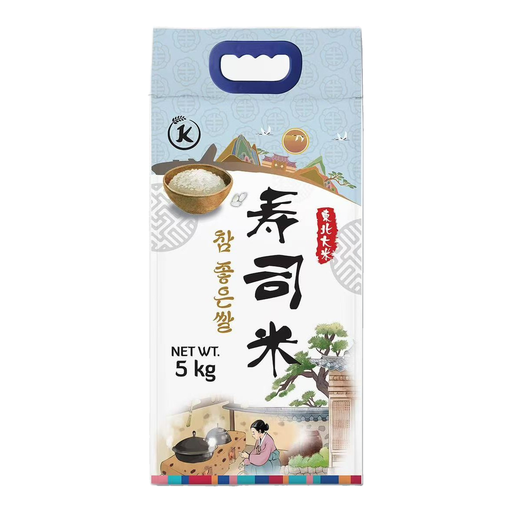
Why This Fits Their Persona: Suitable for regular sushi making, onigiri, rice bowls and family cooking where texture and a larger supply matter.
The 5kg net weight is clearly stated, helping frequent cooks compare the cost and storage commitment before ordering.
Short-grain rice; instructions include rinsing, soaking and resting after cooking.

Why This Fits Their Persona: Designed for shoppers seeking Korean ramen with a creamy carbonara-style flavour and a pronounced chilli profile.
The product description identifies it as extremely spicy, while the ingredient information highlights wheat, soya and celery allergens.
Five individual servings; chewy noodles with a separate sauce and soup powder.
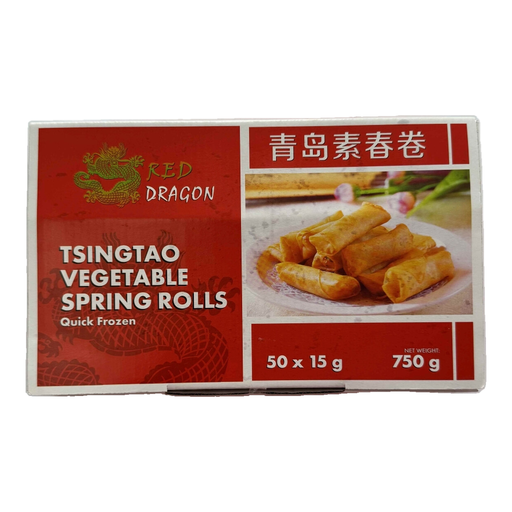
Why This Fits Their Persona: A 50-piece box suits gatherings, sharing platters and households that regularly prepare Asian appetisers.
The box quantity and frozen storage requirement are stated clearly, reducing the risk of ordering more than your freezer can hold.
Vegetable filling; cook-from-frozen format; suitable for pairing with soya, sweet chilli or plum sauce.
We have compiled a complete, real-time list of products that fully satisfy these strict selection criteria and UK safety regulations.
Once the essentials are covered, consider adding products according to how you cook and snack:
Check the product’s net weight, serving count, ingredients, highlighted allergens, country of origin, storage instructions and preparation method. For chilled or frozen products, confirm that delivery and storage arrangements suit the item.
They can be convenient, but nutrition varies by product. Review the salt, saturated fat and portion information, and consider adding vegetables, an egg or another protein source to create a more balanced meal.
It depends on the product. Dry snacks should usually be resealed and kept away from moisture, while ready-to-eat konjac snacks should follow the packaging guidance. Frozen food should remain frozen and must not be refrozen after thawing. Always use the date and storage instructions printed on the pack.