
24/7 Customer Support

Free returns

Same-day & Next-day Delivery

Quality Guaranteed

Unlock Your Welcome Offers: FREE Delivery | Up to 80% OFF | Free 30-day JoyPlus trial
Download the APP
Buying Asian food and snacks online in the UK can make everyday meals, lunchboxes and cultural cooking considerably more convenient. However, product pages do not always make the most important details easy to compare. A low-looking price may reflect a small pack, while a product described as “ready to eat” may still require cooking or careful refrigeration.
This guide explains what to check before ordering Chinese snacks, Korean food, Japanese snacks, Asian frozen food, instant noodles, hot pot ingredients and Asian ready meals. It also highlights suitable options for different shopping habits.
A multi-pack may appear economical, but compare the total weight, number of servings and preparation style, not just the headline price. A 40-pack of instant noodles is designed for stocking up, whereas a 25g packet of candied fruit is more suitable for occasional snacking.
Also check whether a listing describes individual sachets, inner bags or the complete outer case. This is particularly important when buying instant noodles, Asian sweets and snacks for a family or shared accommodation.
“Convenient” does not always mean ready to eat. Frozen dumplings, rice balls, fish balls and hot pot ingredients usually require thorough cooking. Chilled rice balls may be ready to eat but need prompt consumption and refrigerated storage.
Before buying, identify whether the product is:
Ignoring this information can lead to unsuitable delivery planning, especially if you are ordering Asian frozen food with other groceries.
Words such as “rich”, “bold”, “spicy” or “traditional” describe taste rather than nutritional content. Check the nutrition panel for salt, saturated fat, sugar and portion size. For example, the supplied Indomie Mi Goreng products list salt at 3.5g to 4.0g per 100g, so they are more appropriate as part of a varied diet rather than an everyday nutritional staple.
UK food labels should identify allergens clearly. Common allergens across Chinese snacks, Korean food and Japanese snacks include:
For example, spicy wheat-based snack strips may contain wheat, soybeans and mustard, while shrimp paste is made with crustaceans and may contain other allergens. Always read the latest packaging information, particularly if buying for children, guests or anyone with an allergy.
Ingredient percentages help you understand what the product contains beyond its flavour description. FRESHASIA Hotpot Shrimp Paste lists 95% shrimp, while the FRESHASIA Wan Jiang Mixed Fish Ball lists 70% fish surimi. These figures are more useful for comparison than general wording such as “seafood flavour”.
For meat-based products, look for the declared meat content. FRESHASIA Frozen Cooked Beef Ball lists 54% beef and 17% chicken, while the pork balls list 60% pork.
Consider whether you want a cupboard snack, a quick microwave meal or an ingredient for a larger dish.
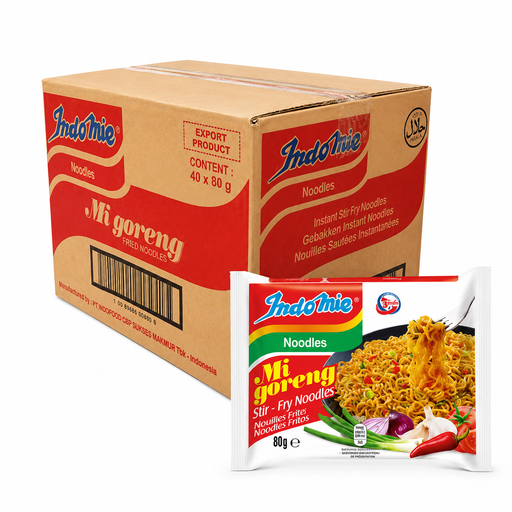
Why This Fits Their Persona: A large cupboard-friendly pack suits students, shared houses and families wanting a ready supply of instant noodles without frequent small orders.
The listing states 40 individual packs, so the quantity is clearer than a multi-layered case description. It also provides cooking instructions and allergen information.
Shelf-stable storage; 80g portions; seasoning includes sweet soy sauce, spices and fried shallots.
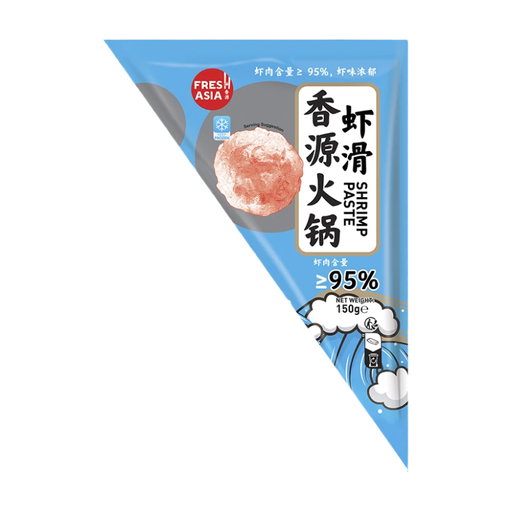
Why This Fits Their Persona: Suitable for shoppers who want a clearly specified seafood ingredient for homemade hot pot, soup or boiled dishes.
The product identifies shrimp as 95% of the recipe and clearly states that cooking is required, helping avoid confusion between a prepared snack and a raw cooking ingredient.
95% shrimp content; suitable for hot pot, boiling and soup; supplied as a 150g frozen pack.
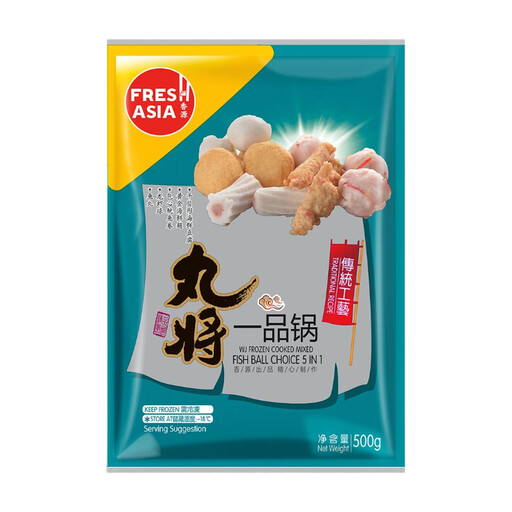
Why This Fits Their Persona: A 500g frozen pack works for regular hot pot dinners, soups, stir-fries and larger family meals.
The pack size, 70% fish surimi content and cooking requirement are stated clearly, making it easier to plan portions and freezer space.
500g pack; 70% fish surimi; suitable for hot pot, soups and stir-fries.
We have compiled a complete, real-time list of products that fully satisfy these strict selection criteria and UK safety regulations.
Shelf-stable instant noodles, Chinese snacks, Asian sweets and cupboard-ready sauces are usually the simplest options because they do not require freezer or chilled delivery space. Check the best-before date, pack size and allergen information before ordering.
Check that the product requires storage at -18°C or below, plan to receive the delivery promptly and return it to the freezer as directed. Do not refreeze products after they have defrosted unless the packaging specifically permits it. Follow the cooking instructions and ensure food is thoroughly cooked and piping hot.
The total cost depends on pack size, delivery and whether you are buying individual portions or multipacks. Compare price per 100g or per serving, then account for storage. A larger pack of instant noodles may reduce repeat orders, while a smaller snack or ready meal may reduce waste for occasional shoppers.