
24/7 Customer Support

Free returns

Same-day & Next-day Delivery

Quality Guaranteed

Unlock Your Welcome Offers: FREE Delivery | Up to 80% OFF | Free 30-day JoyPlus trial
Download the APP
Asian fried noodles can turn a few pantry ingredients into lunch or dinner within minutes. However, the category includes very different products: instant fried noodles with seasoning sachets, chilled-style noodles designed for a wok, ready meals and large packs for family cooking. Choosing by flavour name alone can lead to disappointing texture, unsuitable spice levels or a pack that does not fit your routine.
This guide explains what to check before buying, then matches several options to different household needs.
The term fried noodles can describe either a finished flavour profile or a cooking method. Some instant noodles are boiled, drained and mixed with sauce, while traditional stir-fry noodles need to be cooked first and then finished in a wok or frying pan.
For example, Ma Yi’s Cantonese-Style Stir-Fried Noodles require boiling for two to three minutes before draining and frying. By contrast, a noodle pot such as Ben’s Original Street Food Chinese Chow Mein Noodles is designed for microwave preparation. Check the cooking instructions rather than relying on the product title.
A single 114g or 123g instant pack may suit a quick lunch, but it may not be enough for a complete family meal once vegetables or protein are added. Large formats such as 1,150g jjajangmyeon noodles or a 40-pack of Indonesian mi goreng may offer better cupboard capacity, but only if you have suitable storage space and will use them before the best-before date.
For students and busy professionals, individual portions are convenient. Families and regular noodle eaters may prefer bulk instant noodles or cooking noodles that can be divided across several meals.
“Spicy” is not a consistent scale across Chinese, Korean, Indonesian or Sichuan-style products. A chilli powder sachet, chilli oil and Sichuan pepper can create different sensations. Korean stir-fry noodles may offer a sweet-and-hot profile, while Chongqing noodles can combine chilli with Sichuan pepper for a tingling, numbing character.
If you are unsure, add only part of the sauce sachet initially. You can increase the heat, but it is difficult to reduce it once the sauce has been mixed through.
Look for the texture that suits your dish:
Preparation also affects texture. Boiling for too long can make noodles soft and prone to breaking in the pan. For stir-fry noodles, drain thoroughly and rinse where the instructions recommend it, then fry over medium-high heat for a short period.
Instant fried noodles often separate flavour into powder, oil, sauce and dried vegetables. This allows you to adjust intensity, but it also means checking every sachet for allergens and ingredients.
Soya, wheat and sesame appear frequently in Chinese fried noodles, Korean varieties and Indonesian mi goreng. Seafood-style sauces can contain fish, oyster or shrimp, even where the main noodle block is vegetarian. Read the full UK label before purchase, especially when buying for children or guests.
Compare the per-serving figures rather than only values per 100g. Several instant products in this category contain around 2g or more of salt per serving, so they are more suitable as an occasional convenience meal within a varied diet. Adding fresh vegetables, tofu or egg can make the meal more substantial without using extra seasoning.
Dry noodles should generally be stored in a cool, dry place away from direct sunlight. Once opened, reseal large packs in an airtight container. Always follow the best-before date and the latest packaging instructions, as formulations and allergen information can change.
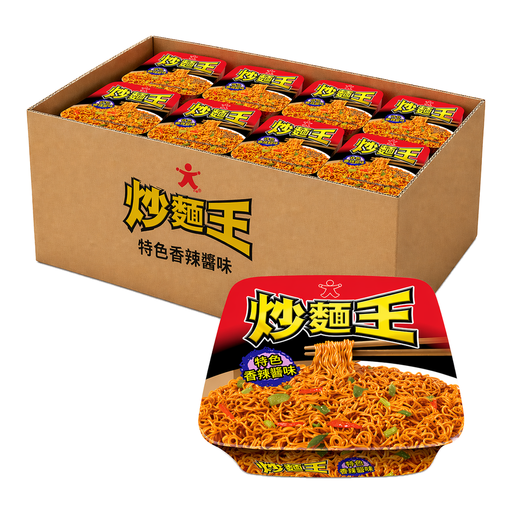
Why This Fits Their Persona: A 12-case format gives students, flat-sharers and regular instant noodle shoppers multiple individual portions for quick meals.
The case quantity is clear, helping buyers distinguish a multipack from a single serving before ordering.
120g portions; spicy sauce flavour; suitable for keeping in a dry pantry.
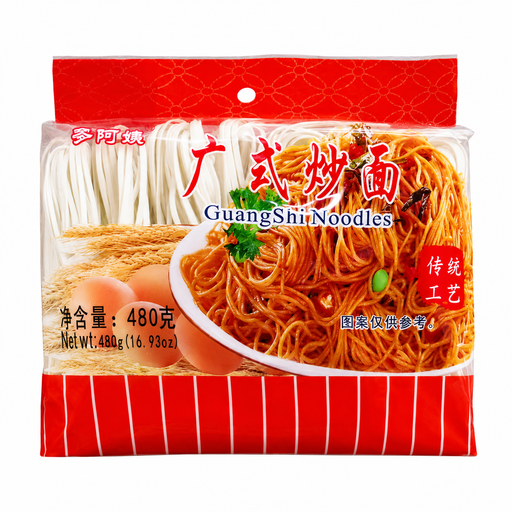
Why This Fits Their Persona: Suits cooks who prioritise firm, springy texture and want to customise a wok meal with fresh ingredients.
It is a cooking noodle rather than a microwave-only meal, with stated boiling and stir-frying instructions.
480g pack; wheat noodles with a firm texture; works with meat, seafood, vegetables or egg.
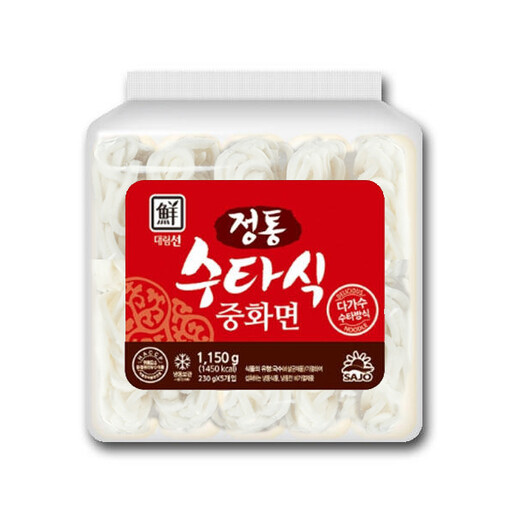
Why This Fits Their Persona: Designed for households making Korean-Chinese meals, batch cooking or serving several people from one large pack.
The product is specifically intended for jjajangmyeon, so the thick noodle format matches a dense black bean sauce.
1,150g quantity; approximately five-to-seven-minute boiling guidance; thick, chewy noodle style.
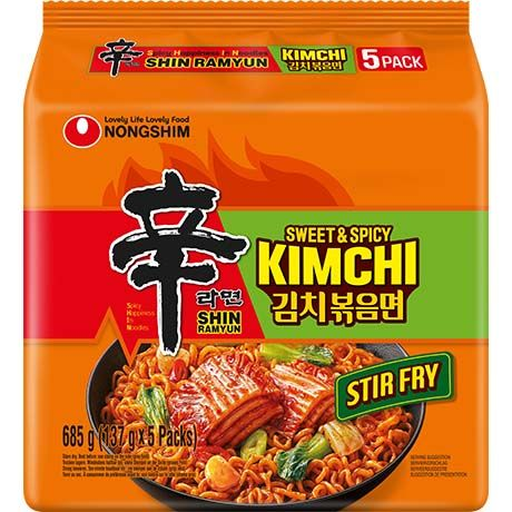
Why This Fits Their Persona: A five-pack format provides Korean-style spicy instant noodles for quick lunches, shared cupboards or planned weekday meals.
The listing identifies the product as Halal and provides preparation, allergen and nutrition information to check before buying.
Five 137g portions; kimchi seasoning paste; stated three-minute cooking method.
We have compiled a complete, real-time list of products that fully satisfy these strict selection criteria and UK safety regulations.
Yes, depending on the format. Microwaveable noodle pots and ready meals can be prepared at work where suitable facilities are available. Boil-and-drain products are more appropriate when you have access to a hob, kettle and bowl. Check whether the product requires draining, frying or microwave heating before taking it to the office.
Use the best-before date printed on the packaging as the guide. Keep unopened products dry and away from heat and sunlight. Once a large bag or pack is opened, seal it properly and follow any storage instructions. Discard products with damaged packaging or noticeable changes in smell, texture or appearance.
There are products listed as Halal, including the NONGSHIM Shin Kimchi Stir-Fry pack, but shoppers should still check the current packaging and certification details. For lower heat, use less seasoning oil or choose a non-spicy stir-fry noodle base and add your own sauce. This gives you more control over flavour and spice at home.