
24/7 Customer Support

Free returns

Same-day & Next-day Delivery

Quality Guaranteed

Unlock Your Welcome Offers: FREE Delivery | Up to 80% OFF | Free 30-day JoyPlus trial
Download the APP
Asian frozen desserts offer more variety than standard vanilla or chocolate tubs, from matcha gelato and Vietnamese coffee to chewy mochi ice cream and tropical mango sorbet. However, unusual flavours and “better-for-you” wording can make comparison difficult.
Before ordering for home delivery, check the ingredients, nutrition panel, serving format and freezer requirements. These details reveal whether a product suits your household better than attractive packaging or broad marketing claims.
A tub labelled “low sugar” may still contain sweeteners, bulking agents or carbohydrates from other ingredients. Conversely, a dairy-free frozen dessert can contain coconut ingredients that contribute to its fat content. Compare energy, sugars, protein and serving size per 100g, rather than relying on front-of-pack wording alone.
Some protein gelato products use sorbitol, erythritol or sucralose. These can help reduce sugar, but people who are sensitive to certain sweeteners should read the full ingredient list before buying.
Plant-based gelato does not automatically mean nut-free, coconut-free or suitable for every vegan household. Coconut is common in dairy-free frozen desserts, while traces of milk, peanuts, sesame or tree nuts may still be listed. Always check the current packaging, particularly when buying for children or anyone with a diagnosed allergy.
Mochi sorbet is designed to be eaten slightly softened, while gelato may need a short rest outside the freezer before scooping. Eating either product straight from a freezer set below -18°C can make the texture harder than intended. Products that have thawed during delivery should not be refrozen unless the packaging specifically permits it.
For halal desserts, look for a stated halal certification rather than assuming a product is suitable because it contains fruit or dairy. Those following a gluten-free diet should check the allergen declaration and any “may contain” statement. Glutinous rice flour in mochi refers to its sticky texture; it is not the same as wheat gluten, but the final product and manufacturing environment still need checking.
Vegans should look for clear plant-based or vegan suitability information. A product containing skimmed milk, milk protein or whey is not dairy-free, even if the flavour is fruit-based.
Use the per-100g panel to compare products fairly, then check the pack size and number of pieces. For example, a 30g mochi can contain substantially fewer calories per piece than a 473ml tub, but it may also contain less protein and more carbohydrate proportionally.
Useful figures to compare include:
A 473ml tub suits scoopable desserts and sharing, while individually wrapped mochi or bonbons make portioning easier. Check that your freezer has room for the product and that delivery can be placed into the freezer promptly. Keep frozen desserts at -18°C or below, follow the best-before guidance and avoid refreezing after thawing.

Why This Fits Their Persona: Six bite-sized pieces provide a straightforward introduction to mango mochi sorbet without committing to a large tub. It is suitable for vegan-friendly and halal dessert shoppers, with coconut listed as the allergen.
The product description identifies the dairy-free mango sorbet filling and gives clear storage instructions, helping shoppers assess texture and suitability before ordering.
Six 30g portions; mango purée and coconut milk; halal certified and no preservatives added.
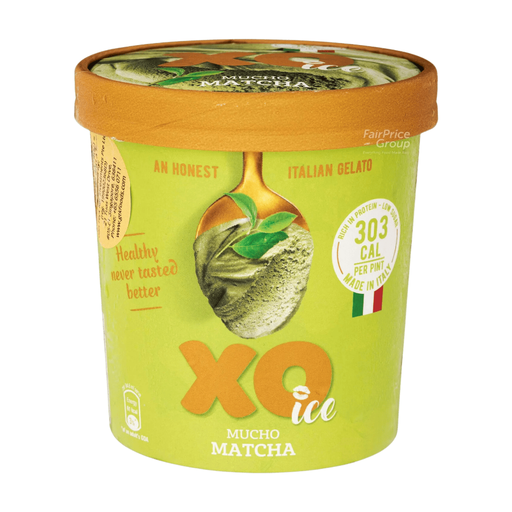
Why This Fits Their Persona: Matcha fans who prefer a less sweet, tea-led flavour can choose a full-sized tub with Japanese-style green tea notes and a creamy dairy gelato base.
The label provides per-100g nutrition rather than relying only on “low-sugar” positioning: 103kcal, 2.1g sugars and 10.4g protein per 100g.
Contains 14% matcha powder; 473ml tub; halal certified and gluten-free according to the product information.
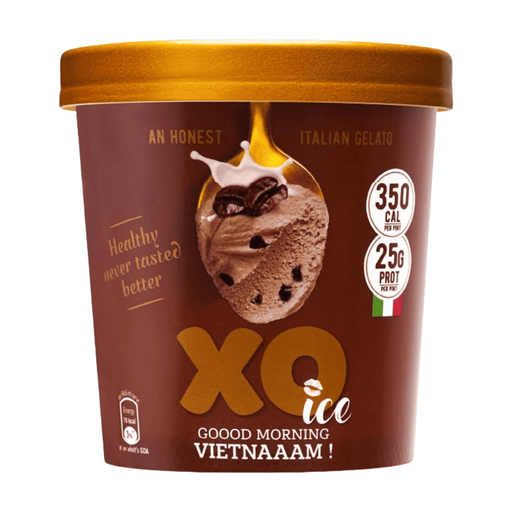
Why This Fits Their Persona: Coffee drinkers looking for a substantial tub can choose roasted Vietnamese Robusta coffee flavour with chocolate chips for an after-dinner dessert or weekend treat.
Its nutrition panel states 25g protein per tub and 5.6g sugars per 100g, allowing comparison with ordinary ice cream rather than accepting vague “lighter” language.
473ml format; 9.2g protein per 100g; halal certified and gluten-free according to the product information.
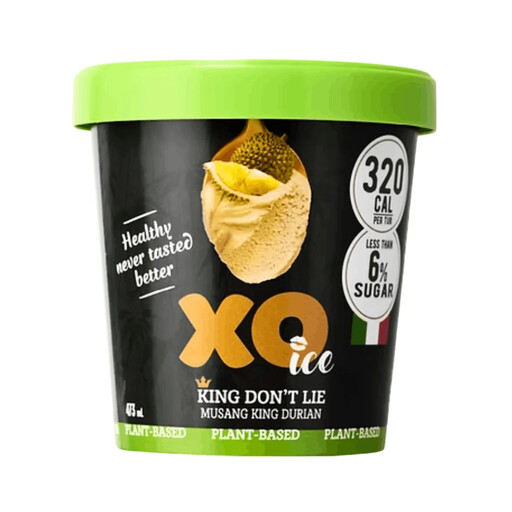
Why This Fits Their Persona: Shoppers seeking a distinctive Asian gelato can explore a strong durian profile with a plant-based recipe and Musang King durian paste.
The description specifies 20% durian paste and identifies coconut as an allergen, while also noting that traces of milk may be present.
Plant-based and dairy-free; 473ml tub; halal certified with 5.9g sugars per 100g.
We have compiled a complete, real-time list of products that fully satisfy these strict selection criteria and UK safety regulations.
Some are, but not all. Plant-based gelato and mochi sorbet may use coconut milk or coconut oil instead of dairy, while matcha, coffee and protein gelato commonly contain skimmed milk or milk protein. Check both the ingredients and the stated dietary information.
Some mochi products are labelled gluten-free, but this should not be assumed from the use of rice flour alone. Check the pack for a gluten-free statement and review “may contain” warnings, especially when buying for someone with coeliac disease or an allergy.
Follow the best-before date and storage guidance printed on the packaging. Maintaining a steady -18°C or below helps preserve quality. Once a product has thawed, do not refreeze it; when ordering frozen desserts online, transfer them to the freezer promptly after delivery.