
24/7 Customer Support

Free returns

Same-day & Next-day Delivery

Quality Guaranteed

Unlock Your Welcome Offers: FREE Delivery | Up to 80% OFF | Free 30-day JoyPlus trial
Download the APP
By Joybuy Product Recommendation Officer
Asian frozen food can make weekday meals, packed lunches and weekend sharing much easier. From Taiwanese food and Chinese frozen food to frozen dim sum, steamed buns and glutinous rice balls, the range is broad—but product descriptions do not always tell you what matters most in a UK kitchen.
Before buying, look beyond words such as “traditional”, “restaurant-style” or “convenient”. The useful questions are simpler: how is the food prepared, what allergens does it contain, how much freezer space will it use, and will the portion suit your household?
Many frozen buns, sausages and dim sum products require thorough cooking. A pork bao bun, pan-fried bun or Taiwanese sausage should not be eaten straight from the freezer. Check whether the instructions require steaming, boiling, frying, baking or defrosting.
Some products must be cooked from frozen, while others—such as certain sausages—need to be defrosted in the fridge first. Following the wrong method can affect texture and food safety.
A 300g pack may suit a snack or two-person meal, while a 1.2kg bag of gua bao-style buns is more suitable for family cooking, batch preparation or frequent use. Also check whether the product is individually portioned. This can reduce waste when you only need a few buns for breakfast or a packed lunch.
Asian frozen food commonly contains wheat, gluten, soya, sesame, milk, egg, peanuts or sulphites. Always read the current packaging, especially when cooking for children or anyone with a food allergy.
Most frozen products in this selection state storage at -18°C or below. Do not refreeze food after it has thawed unless the packaging specifically permits it. Plan your shop so frozen items can be returned to the freezer promptly.
Steaming is common for Chinese frozen food, steamed buns and frozen dim sum. Check whether you have a suitable steamer, or whether a microwave method is provided. Pan-fried buns require a lidded frying pan and enough time for the dough to cook through.
For example, the HONOR Pan Fried Bun with Pork is cooked from frozen in a lightly oiled pan. The instructions involve browning the base, adding water, covering the pan and continuing to cook until the water evaporates. This is different from simply reheating a pre-cooked snack.
Compare the ingredient list rather than relying only on the product title. Gua bao buns may be suitable for vegetarian or vegan diets when the filling is added separately, while pork bao buns and Taiwanese sausages are meat products.
The TYJ Lotus Leaf Bun is listed as vegan, vegetarian and halal certified, and contains wheat. By contrast, cheese-filled Taiwanese sausages contain milk, while some pork buns contain wheat, soya, sesame, milk or egg. This distinction is particularly important for family meals and school lunch planning.
For occasional buyers, smaller packs such as 240g Taiwanese sausages or 300g zongzi can be easier to manage. Larger packs may offer more portions for a household but need sufficient freezer capacity.
Check the preparation yield too. A pack of plain gua bao buns becomes a complete meal only after adding fillings such as braised pork, fried chicken, vegetables or tofu. That flexibility can be useful, but the total meal cost includes the extra ingredients.

Why This Fits Their Persona: Two individually sized rice dumplings provide a straightforward introduction to Taiwanese-style frozen food without committing to a large family pack.
The listing clearly identifies chicken, mushroom, glutinous rice and several allergens, making it easier to check suitability before purchase.
300g total pack size; bamboo-leaf-wrapped chicken and mushroom filling.
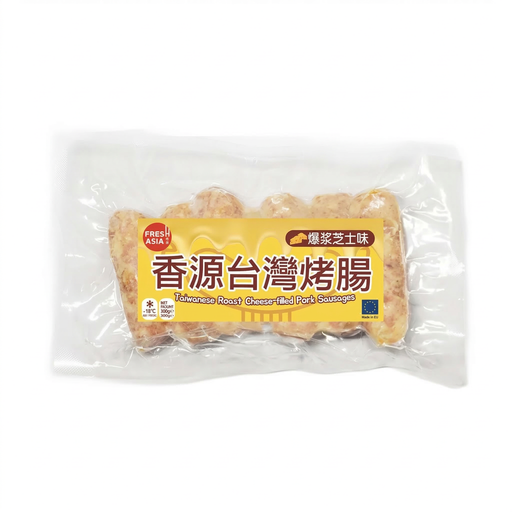
Why This Fits Their Persona: A richer snack option for shoppers who want a distinctive Taiwanese-style flavour and are happy to pan-fry or use an air fryer.
The preparation guidance specifies cooking times for both pan-frying and air-frying, rather than presenting the product as ready to eat.
Contains 73% pork and 15% cheese; suitable for air-fryer preparation.
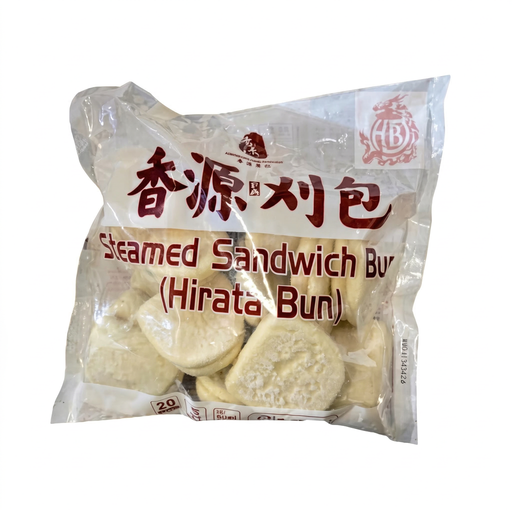
Why This Fits Their Persona: The large format suits families, regular home cooks and anyone preparing multiple gua bao-style meals for gatherings or weekly lunches.
The 1.2kg weight makes the quantity clear, helping buyers assess freezer capacity and likely usage before ordering.
Designed for steaming and filling; wheat-based buns with 1.2kg net quantity.
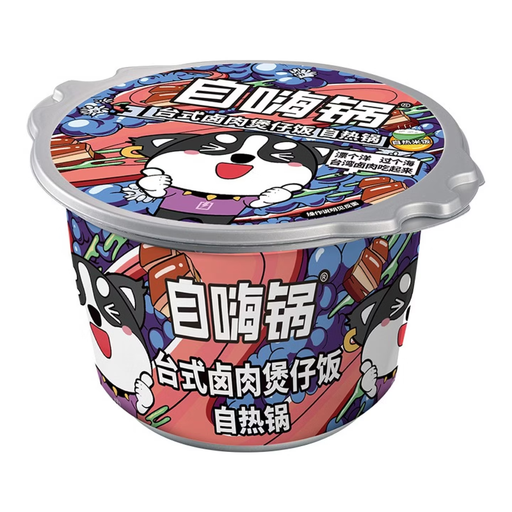
Why This Fits Their Persona: A cupboard-stored Asian ready meal for work breaks, student accommodation or situations where an oven or hob is not convenient.
The instructions explain that cold water activates the heating pouch and that the container becomes very hot, helping users plan safe preparation.
260g portion; does not require frozen storage; includes rice and Taiwanese braised pork sauce components.
We have compiled a complete, real-time list of products that fully satisfy these strict selection criteria and UK safety regulations.
Keep frozen products at -18°C or below, following the product label. Place them in the freezer promptly after delivery or shopping. Do not refreeze items once thawed, and check the packaging for instructions after opening.
Some products provide microwave instructions, while others require steaming or pan-frying. Use the method printed on the packaging rather than assuming all frozen buns cook alike. A microwave-safe plate, damp paper towel and suitable cooking time may work for certain buns, but not for every product.
It depends on the item and your access to safe reheating. Fully cook products such as bao buns, sausages and zongzi before serving, and follow UK food-safety guidance for keeping cooked food chilled or hot. Ready-to-eat products such as pineapple cakes may be easier for an unrefrigerated snack, provided the packaging storage instructions allow it.