
24/7 Customer Support

Free returns

Same-day & Next-day Delivery

Quality Guaranteed

Unlock Your Welcome Offers: FREE Delivery | Up to 80% OFF | Free 30-day JoyPlus trial
Download the APP
Buying Asian frozen food in the UK can make hot pots, dumpling dinners, stir-fries and quick lunches far easier. However, attractive packaging does not always explain how a product should be cooked, what it contains or whether the pack size suits your household.
This guide from the Joybuy Product Recommendation Officer focuses on practical checks before you buy Asian frozen food online, with options for busy families, students, home cooks and Asian food enthusiasts.
Some frozen foods are fully cooked and only need thorough reheating. Others contain raw meat, seafood or dough and must be cooked completely. For example, cooked frozen beef balls can usually go directly into boiling soup, while raw chicken wings require full cooking after defrosting.
Always check the usage instructions, not just the serving photograph. Terms such as “cooking required”, “ready to eat” and “heat thoroughly” indicate different preparation requirements.
A product may look suitable for a quick stir-fry but actually need slow cooking. Beef flank, beef shin and diced pork ribs contain connective tissue that generally benefits from simmering, braising or pressure cooking. Conversely, thinly sliced short ribs are more suitable for grilling or pan-searing.
Matching the cut to the recipe helps prevent tough meat and wasted food.
A low-priced pack may not represent good value if it is too small for a shared hot pot or contains ingredients unsuitable for someone in your household. Check the net weight, ingredient list and allergen declaration before ordering.
For frozen food, maintain the cold chain: store products at -18°C or below, avoid repeated thawing and do not refreeze items after they have defrosted unless the packaging specifically states otherwise.
Look for clear storage information and a best-before date on the packaging. Frozen dumplings and dim sum, frozen hot pot ingredients and frozen seafood should remain solid during storage. If a product arrives partially thawed, follow the seller’s food-safety guidance rather than automatically refreezing it.
Also check whether the product is designed to cook from frozen. Frozen fish balls, shrimp paste and some dim sum products can go straight into a simmering broth or steamer, while certain beef cuts should be thawed in the refrigerator before cooking.
Ingredient percentages help you compare similar products. The FRESHASIA Hotpot Shrimp Paste, for example, lists 95% shrimp, while the Wan Jiang 5 in 1 Mixed Fish Ball lists 70% fish surimi. These figures explain the main composition more clearly than phrases such as “seafood style”.
Common allergens across Asian groceries online UK include wheat, soya, egg, fish, crustaceans, molluscs, sesame and mustard. Read the full label if you are buying frozen Chinese food, Korean food UK products or Japanese food UK-inspired meals for someone with an allergy.
Consider whether you need a meal, a cooking ingredient or a freezer staple. A 150g shrimp paste pack may suit a small hot pot alongside several other ingredients, whereas a 1kg beef or pork pack is more appropriate for batch cooking.
For quick meals, choose products with simple preparation. Spring onion pancakes cook from frozen in a frying pan, while onigiri are refrigerated rather than frozen and should not be treated as a freezer product.
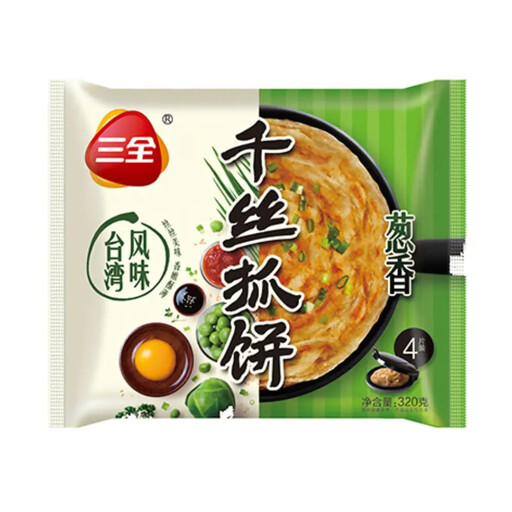
Why This Fits Their Persona: A practical freezer option for students and smaller households looking for a quick side dish without buying numerous ingredients.
The instructions clearly state that it cooks from frozen, reducing the risk of buying a product that needs lengthy preparation.
320g pack; pan-fry preparation; contains wheat and soya, with clear allergen information.
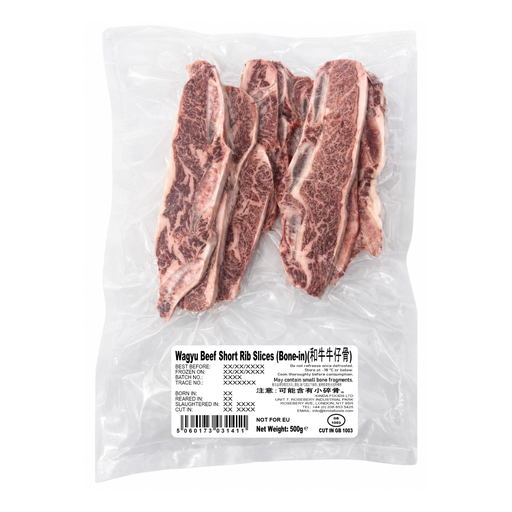
Why This Fits Their Persona: A 500g cut for shoppers planning Korean-style BBQ, grilling or a focused weekend meal at home.
The product specifies the cut, 100% beef composition, 500g quantity and recommended cooking uses instead of relying only on broad quality language.
Bone-in short rib slices; British origin; suitable for grilling, pan-searing and oven finishing.
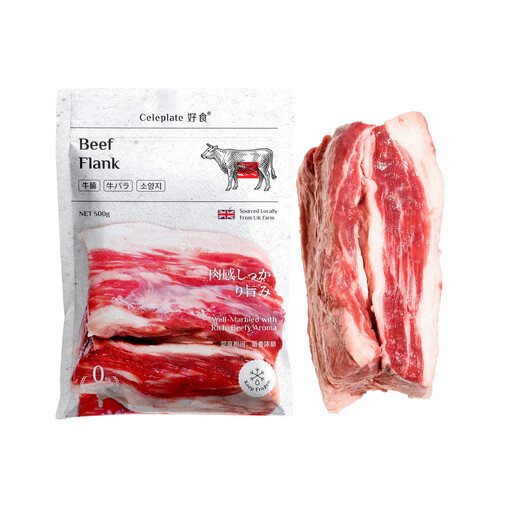
Why This Fits Their Persona: Suitable for home cooks preparing Chinese braises, soups, curries or hot pot broths that need a longer cooking time.
Its stated cooking guidance—60 minutes or more in a regular pot, or around 45 minutes in a pressure cooker—sets realistic expectations.
500g pack; 100% beef; designed for long simmering, braising and soup-based recipes.
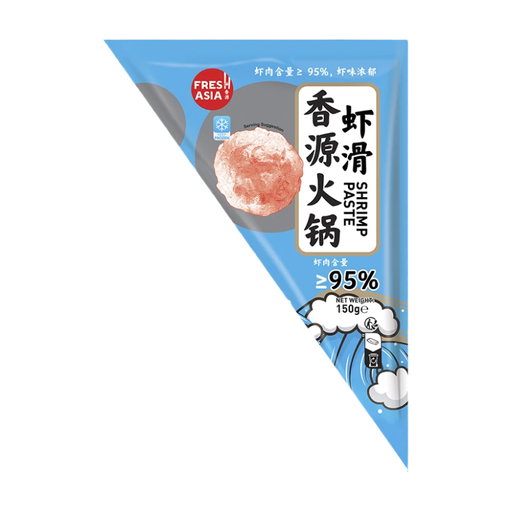
Why This Fits Their Persona: A convenient seafood addition for households assembling frozen hot pot ingredients alongside vegetables, noodles and dipping sauces.
The pack states that it requires cooking and explains to scoop it into simmering broth until it floats and becomes fully opaque.
150g pack; 95% shrimp listed; suitable for hot pot, boiling and soup; contains crustaceans.
We have compiled a complete, real-time list of products that fully satisfy these strict selection criteria and UK safety regulations.
For a broader order, combine different formats rather than buying several similar packs:
Yes, provided the order arrives appropriately frozen and includes clear storage, ingredient and allergen information. Transfer items to a freezer at -18°C or below as soon as possible and follow the packaging guidance.
Fully cooked beef balls, fish balls, seafood tofu curds, shrimp paste and sliced lotus root are convenient choices. Check whether each item can be added from frozen and cook it until thoroughly heated. Raw meat and seafood require particular care and must be fully cooked before serving.
The exact period depends on the product and its best-before date. Keep the packaging or record the date of purchase, avoid repeated thawing and use opened products promptly. Once defrosted, do not refreeze unless the label specifically permits it.