
24/7 Customer Support

Free returns

Same-day & Next-day Delivery

Quality Guaranteed

Unlock Your Welcome Offers: FREE Delivery | Up to 80% OFF | Free 30-day JoyPlus trial
Download the APP
Shopping for Asian frozen food can make hot pot, noodle soup and Taiwanese desserts much easier to prepare at home. However, attractive packaging does not always tell you how much fish, meat or taro a product contains, how it should be cooked, or whether it suits your freezer and dietary requirements.
This guide explains the details worth checking before buying, followed by recommendations matched to different household needs.
A 500g bag may appear economical, but the actual amount of fish, meat or vegetable ingredient can vary considerably. Starch, water and seasonings may make up a substantial proportion of some products. Check the quantitative ingredient declaration (QUID) where available, such as “fish 40%” or “beef 60%”, rather than judging value by pack size alone.
Fish balls, cuttlefish balls and Asian meatballs are made for different eating experiences. Some are soft and tender, while others are springy, dense or chewy because of ingredients such as tapioca starch or beef tendon. Filled products, including Fuzhou fish balls and stuffed pork balls, also have a different texture from plain varieties.
Frozen products need a stable freezer temperature, generally -18°C or below, unless the packaging says otherwise. Some items can be cooked from frozen, while others should be thawed first. Refreezing after thawing is commonly discouraged, and undercooking products containing fish, meat or seafood can create an avoidable food-safety risk. Always follow the pack instructions and check the label at the point of purchase.
For fish balls and seafood balls, compare the fish percentage and look for additional ingredients such as cuttlefish, egg, wheat starch or soya protein. The Fuzhou-style fish balls with pork filling, for example, list 40% fish and 10% pork, while some white fish balls list a higher fish proportion.
Allergens must be taken seriously. Common declarations in this category include fish, molluscs, crustaceans, egg, wheat, soya and sesame. Ingredients and allergen statements can change, so check the current packaging, particularly if cooking for children or anyone with a food allergy.
Choose products that match the meals you normally prepare:
Some products are designed to cook from frozen, while others, such as the Vietnamese-style beef tendon balls, instruct you to thaw before cooking. Following the stated method helps preserve the intended texture.
A 160g pack may suit a single meal or trial purchase, while 360g to 500g packs are more useful for family hot pots or batch cooking. Look for resealable packaging or transfer opened contents to a sealed freezer container to reduce freezer burn. Keep raw and ready-to-eat foods separate, and do not rely on appearance alone to judge whether a product is fully cooked.
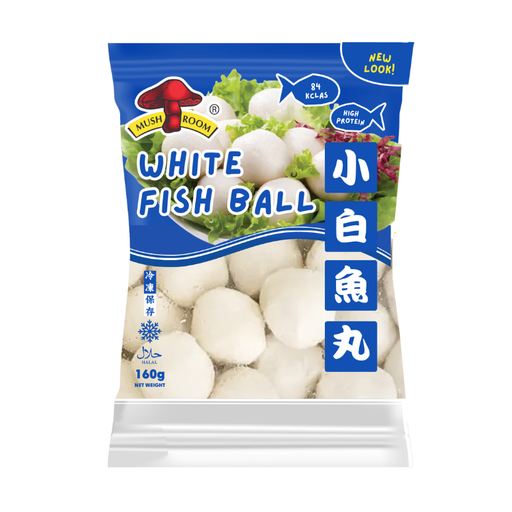
Why This Fits Their Persona: A compact pack for trying fish balls in soup, hot pot or stir-fries without committing to a large quantity.
The listing gives a 160g net quantity, 52% fish content and clear boiling and steaming guidance, making comparison more straightforward.
Small size; suitable for soups, noodles and stir-fries; contains fish, egg, wheat and soya.
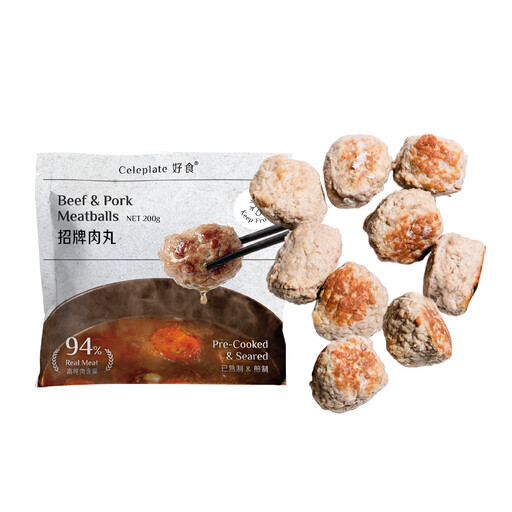
Why This Fits Their Persona: A choice for shoppers who prioritise a clearly stated meat percentage and a firmer bite in hot pot.
Its product information states 94% pork and beef, helping buyers distinguish it from meatballs with a less clearly defined meat content.
Pre-cooked and seared; suitable for hot pot; contains pork, beef, egg and wheat.

Why This Fits Their Persona: Designed for regular hot pot, pho-style noodle soup and stir-fry cooking where a dense, chewy texture is important.
The listing specifies 60% beef and 8% beef tendon, rather than relying only on a general description of chewiness.
250g pack; suitable for hot pot, soup and stir-fry; contains fish and wheat.
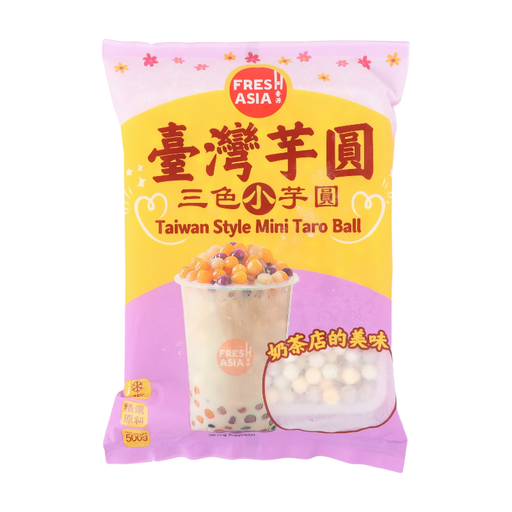
Why This Fits Their Persona: A practical base for Taiwanese sweet soups, shaved ice, bubble tea and other Asian desserts.
The three varieties identify sweet potato, purple sweet potato and taro, with cooking instructions stating that the balls must be boiled before eating.
500g pack; assorted colours; suitable for sweet dishes and drinks; store at -18°C or below.
We have compiled a complete, real-time list of products that fully satisfy these strict selection criteria and UK safety regulations.
Follow the pack instructions. Many frozen fish balls can be placed directly into simmering soup or hot pot broth for around five to seven minutes, until thoroughly heated and floating. Some products require thawing first, so check the label rather than applying one method to every product.
Keep products at the temperature stated on the packaging, commonly -18°C or below, and use them by the best-before or use-by guidance. Once thawed, many products should be refrigerated and consumed within 24 hours. Do not refreeze unless the packaging specifically permits it.
Yes. Cook them in boiling water until they float and become translucent, following the pack guidance. Drain before adding them to bubble tea, sweet soup, shaved ice or another dessert. They should not be eaten raw.