
24/7 Customer Support

Free returns

Same-day & Next-day Delivery

Quality Guaranteed

Unlock Your Welcome Offers: FREE Delivery | Up to 80% OFF | Free 30-day JoyPlus trial
Download the APP
Asian frozen food can make weekday meals, packed lunches and casual entertaining much easier. However, attractive packaging does not always tell you what matters most: cooking method, serving size, allergens, storage needs and whether the food suits your available equipment.
As the Joybuy Product Recommendation Officer, I focus on filtering out marketing noise so you can compare products using information that matters in a UK kitchen.
Some products only need a microwave, while others must be steamed, baked or boiled thoroughly. Frozen kimbap, bao buns, dumplings and rice balls are not automatically ready to eat. Check whether the instructions say cook from frozen, defrost first or consume immediately after preparation.
For example, EastEco Kimbap Mushroom Japchae requires thorough cooking, while some microwaveable cups provide a shorter preparation route. Choosing the wrong format can lead to an unsuitable meal when you only have a kettle, microwave or limited time.
Asian food frequently contains wheat, soya, sesame, milk, egg, crustaceans or fish. Product names such as “vegetable”, “mushroom” or “chilli” do not guarantee that a product is suitable for every diet.
Always check the current packaging. Recipes and allergen statements can change, and products may carry “may contain” warnings. This is particularly important when buying frozen dumplings, wontons, ramen, bao buns and Korean snacks for several people.
A multi-serving bag may appear economical, but frozen food needs to remain at -18°C or below. Check the net weight, approximate piece count and whether the packaging can be resealed. Once thawed, many products should not be refrozen, so consider how quickly your household will use the pack.
Look for clear storage instructions, such as “keep frozen at -18°C”. A best-before date is usually printed on the pack, but it does not replace correct freezer storage. During delivery, frozen goods should remain properly chilled; transfer them to your freezer promptly and do not refreeze food that has fully defrosted.
Match the product to your routine:
Preparation times vary by appliance, portion size and whether the food is frozen or thawed. Follow the product label rather than relying on a generic cooking time.
Compare the net quantity with the intended use. A 120–140g Korean snack cup may suit one person, while a 700g dumpling bag is more suitable for sharing or several meals. For vegetarian shoppers, check the complete ingredient list: a plant-based product may still contain wheat, soya or sesame, while a product described as chicken-flavoured may include animal-derived ingredients.
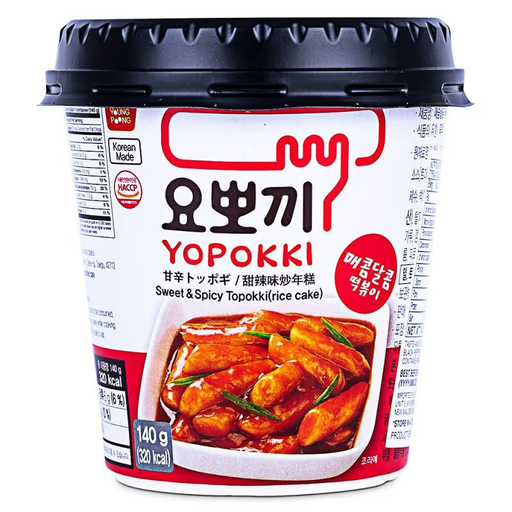
Why This Fits Their Persona: A single-serving Korean street-food-style cup is practical for students, first-time shoppers and quick evening snacks.
The 140g format avoids committing to a large freezer pack, and the microwave instructions state two to three minutes depending on wattage.
Single-serving cup; contains 70.79% rice in the rice-cake component; wheat and soya are clearly listed allergens.

Why This Fits Their Persona: Suitable for shoppers wanting a portioned dumpling meal with a steam-in-tray microwave format.
The pack gives a stated 168g net quantity and provides a specific three-minute standing time because the soup centre remains very hot.
Six dumplings per pack; chicken and broth are specified in the ingredients; contains soya and wheat.
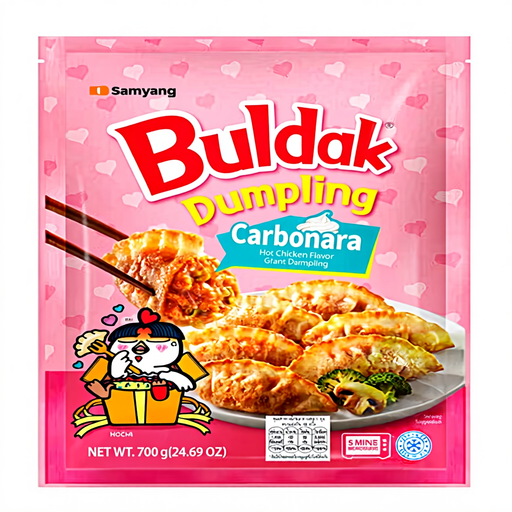
Why This Fits Their Persona: A larger pack suits households, entertaining or shoppers who regularly prepare frozen dumplings and Korean-inspired meals.
The 700g quantity is stated upfront, making it easier to plan freezer space and compare serving value with smaller packs.
74.2% filling is specified; filling includes cabbage, tofu, spring onion and sweet potato noodle; contains wheat, soya and celery-related flavouring.
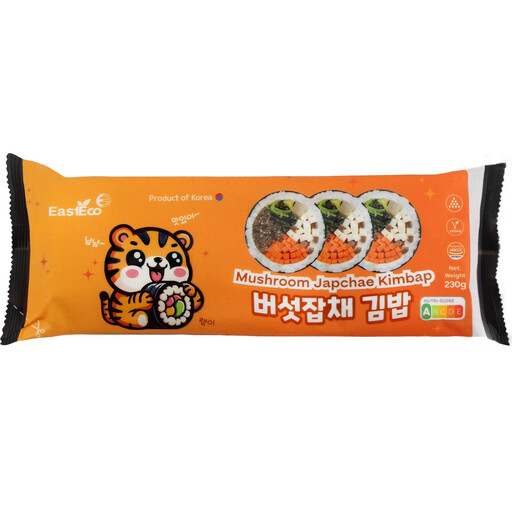
Why This Fits Their Persona: A plant-based Korean option for shoppers exploring meat-free lunches, snacks or sharing platters.
It identifies mushroom, japchae noodles, vegetables and laver, while clearly stating that it is not ready to eat and must be cooked thoroughly.
230g pack; made in South Korea; contains soybeans, wheat and sesame, so the allergen information is easy to factor into meal planning.
We have compiled a complete, real-time list of products that fully satisfy these strict selection criteria and UK safety regulations.
Keep products at -18°C or below, follow the best-before information on the packaging and return unused food to the freezer promptly. Do not refreeze products that have thawed unless the packaging specifically says otherwise.
They can be, but preparation varies. Some gyoza cook in a pan, while soup dumplings may be microwaved in a tray. Check the required appliance, cooking time and instruction to ensure the centre is piping hot before eating.
Compare price per 100g, pack size and the number of portions rather than relying only on the product’s front label. Single-serving Korean snacks can reduce waste, while larger packs of frozen dumplings or bao buns may suit regular households. Also consider cooking time and whether you already own the required equipment.