
24/7 Customer Support

Free returns

Same-day & Next-day Delivery

Quality Guaranteed

Unlock Your Welcome Offers: FREE Delivery | Up to 80% OFF | Free 30-day JoyPlus trial
Download the APP
Buying Asian frozen meatballs and fish balls can make weeknight meals much easier, but product descriptions do not always tell the full story. A large-looking bag may contain a high proportion of starch, while a product described as “ready to cook” may still require thorough heating. Texture, fillings, allergens and freezer storage all affect whether your purchase suits the dish you have planned.
This guide explains what UK shoppers should check before buying, followed by practical recommendations for different cooking styles and household needs.
A 500g pack is not automatically better value than a 200g or 250g pack. Check the ingredient percentages, serving size and whether the product is intended for a main meal, hot pot sharing or occasional snacking.
For example, fish balls may contain around 50–70% fish, while beef and pork products can vary considerably in meat content. Starch, water and seasonings are common ingredients, but a lower meat or fish percentage may produce a softer or less substantial bite.
“Bouncy”, “springy” and “chewy” are useful descriptions, but they do not refer to one consistent texture. Beef tendon balls, for instance, are designed to have a firmer, denser bite. Fish surimi balls are often smoother and more elastic, while stuffed meatballs provide a soft or juicy centre alongside the outer layer.
If you are preparing a clear noodle soup, delicate fish balls may be more suitable. For a rich Sichuan or Chinese hot pot broth, firmer frozen beef balls or pork balls can stand up better to longer simmering.
Asian hot pot ingredients can include fish, shellfish, molluscs, soya, wheat, egg, sesame and mustard. These may appear in sauces, fillings or flavourings rather than in the product name.
Also check whether the pack is fully cooked, frozen raw or simply pre-fried. “Ready to cook” does not mean ready to eat. Products must be heated thoroughly according to the packaging instructions.
Look for a quantitative ingredient declaration, such as beef 62%, pork 70% or fish 52%. This gives a more useful comparison than marketing terms such as “authentic” or “premium”.
A filled product offers a different eating experience from a standard meatball. Check whether the centre contains pork, chicken or another filling, and remember that filled products may release very hot liquid when bitten.
For Fuzhou fish balls, the fish exterior and pork centre are defining features. For mushroom pork balls, mushroom pieces or powder can add savoury depth without needing a separate seasoning base.
Most products in this category require storage at -18°C or below. Do not refreeze after thawing unless the packaging specifically states otherwise. Some products can be added straight from frozen to boiling broth, while others must be thawed in the refrigerator first.
For convenience, look for:
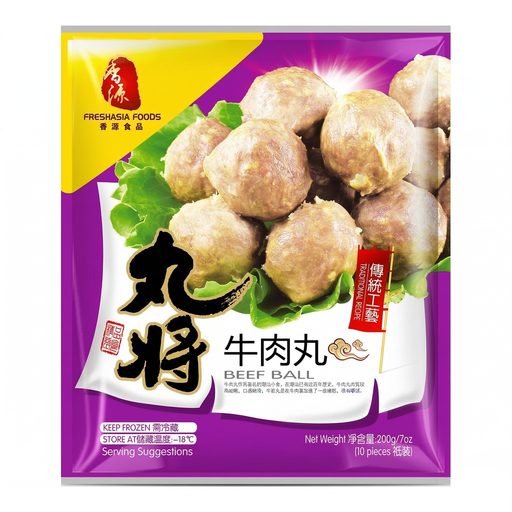
Why This Fits Their Persona: The 200g pack is practical for students, smaller households or first-time buyers who want to try frozen beef balls without committing to a larger bag. It can be added directly to boiling soup without defrosting.
The listing states 12.5g protein per 100g and provides cooking instructions, storage information and a soya allergen declaration, making the small pack easier to assess before purchase.
200g net weight; suitable for hot pot, soup and stir-fries; cooks from frozen in boiling broth.
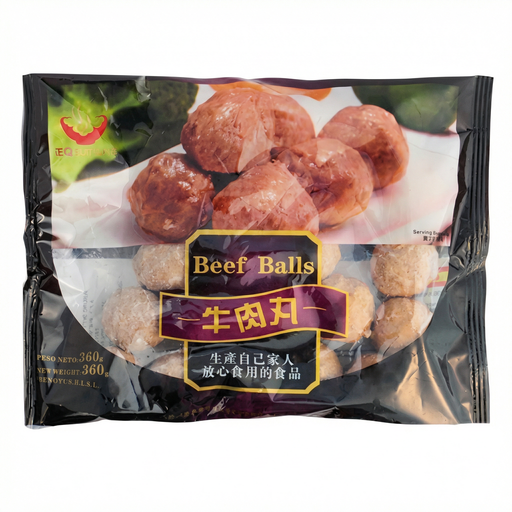
Why This Fits Their Persona: This 360g option is aimed at shoppers who prioritise a firmer, tendon-influenced texture and traditional Chaozhou-style flavour for shared hot pot meals.
The ingredient list identifies beef and ox tendons, while the product information explains that the balls are individually quick-frozen for easier portioning.
360g pack; beef and ox tendon ingredients; suitable for hot pot, soup, grilling and oden.
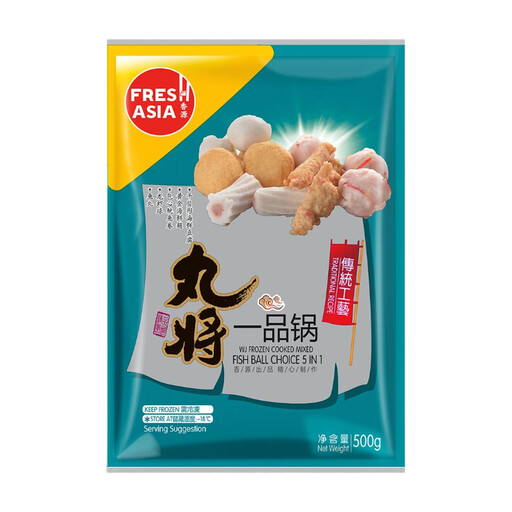
Why This Fits Their Persona: The 500g pack suits families, regular hot pot hosts and home cooks who use fish balls across soups, stir-fries and quick snacks.
The listing specifies 70% fish and clearly lists fish, soya, egg, wheat and squid allergens. This helps shoppers distinguish a seafood-based product from a starch-heavy alternative.
500g pack; Japanese threadfin bream surimi; includes crab flavour and squid; suitable for boiling, stir-frying and snacking.
We have compiled a complete, real-time list of products that fully satisfy these strict selection criteria and UK safety regulations.
These ready-to-cook meatballs can be used beyond hot pot:
Always follow the product label, especially where instructions differ between frozen and thawed preparation.
Some products are designed to go directly into boiling water or soup from frozen. Others, including certain Vietnamese-style products, instruct you to thaw first. Follow the specific packaging instructions rather than applying one method to every product.
Keep them at -18°C or below and use them by the best-before date shown on the packaging. Once opened, keep the remaining product well sealed. Do not refreeze after thawing, and check the label for any additional storage guidance.
Not necessarily. Some products are cooked and frozen, while others are frozen raw or require cooking before consumption. Check the usage instructions and heat the centre until thoroughly hot before serving.