
24/7 Customer Support

Free returns

Same-day & Next-day Delivery

Quality Guaranteed

Unlock Your Welcome Offers: FREE Delivery | Up to 80% OFF | Free 30-day JoyPlus trial
Download the APP
Asian fruit juice drinks can make everyday refreshment more interesting, whether you are pairing lychee juice with a meal, stocking coconut water for the office or choosing Chinese drinks for a family gathering. However, colourful packaging and phrases such as “natural”, “pure” and “low calorie” can make products seem more similar than they are.
This guide from the Joybuy Product Recommendation Officer focuses on the details that matter at checkout: juice percentage, sugar content, allergens, pack size, storage and intended use.
A fruit image on the front does not necessarily mean the drink is made entirely from fruit. Some beverages contain a relatively small proportion of juice alongside water, sugar, sweeteners, flavourings or acidity regulators.
For example, FOCO Lychee Juice contains 25% lychee juice, while FOCO Pomegranate Nectar contains 30% pomegranate juice. These are ready-to-drink fruit beverages with a sweet, fruity profile, rather than 100% fruit juice. Always check the ingredient list and quantitative ingredient declaration before comparing prices.
A product made entirely from fruit can still contain naturally occurring sugars. J.ZAO 100% NFC Blueberry Juice lists 9.0g of sugars per 100g, while the 100% NFC Prune Juice lists 13.9g per 100g. “No added sugar” describes the formulation; it does not mean the drink contains no sugar.
Compare the nutrition panel per 100ml or 100g, and consider the serving size. This is particularly important when buying juice drink multipacks for children, office use or frequent consumption.
A 24-can case can offer convenient cupboard stocking, but it may not suit a household with limited storage or a shopper who wants to try an unfamiliar flavour first. Conversely, small two-bottle packs may cost more per serving.
Check whether the drink is ambient before opening, how long it lasts after opening and whether it needs refrigeration. Coconut water and larger cartons often require fridge space once opened.
Look for clear wording such as 100% juice, NFC (not from concentrate), “juice drink”, “nectar” or a stated fruit percentage. These terms help set realistic expectations about flavour, sweetness and price.
NFC does not automatically mean a product is suitable for every diet or lower in sugar. Use the ingredient list and nutrition table alongside the front-of-pack wording.
For vegan-friendly drinks, check the full ingredients rather than relying only on fruit imagery. Most fruit-based products listed here contain no declared allergens, but some coconut juice drinks include sodium caseinate, a milk-derived ingredient. This applies to Coconut Palm Coconut Juice and Chun Guang Coconut Juice Drink.
Also look for sweeteners, preservatives, colours and stabilisers if you prefer a shorter ingredient list. A product can be vegetarian or vegan-friendly while still containing substantial sugar, so dietary suitability and nutrition are separate checks.
Choose the format around how you will use the drink:
Always check the best-before date on the packaging. Do not consume cans, bottles or cartons that are damaged, leaking or tampered with.
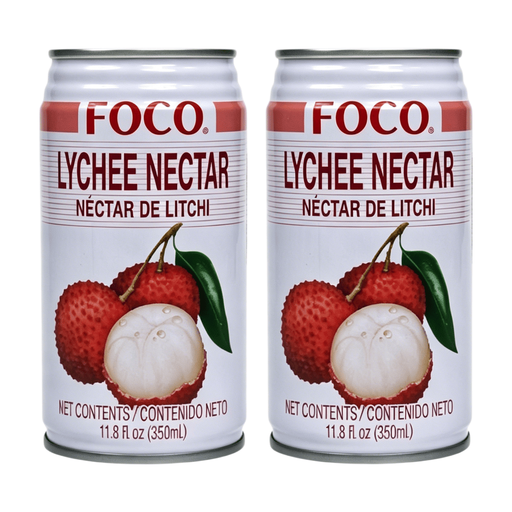
Why This Fits Their Persona: A smaller two-pack offers a straightforward way to try lychee juice without committing to a large case. It suits individual shoppers, couples and occasional meal-time refreshment.
The listed 25% lychee juice content makes the drink’s formulation clearer than relying on front-label fruit imagery alone.
350ml bottles; 40kcal and 11g sugars per 100ml; suitable for vegan and gluten-free diets according to the product information.
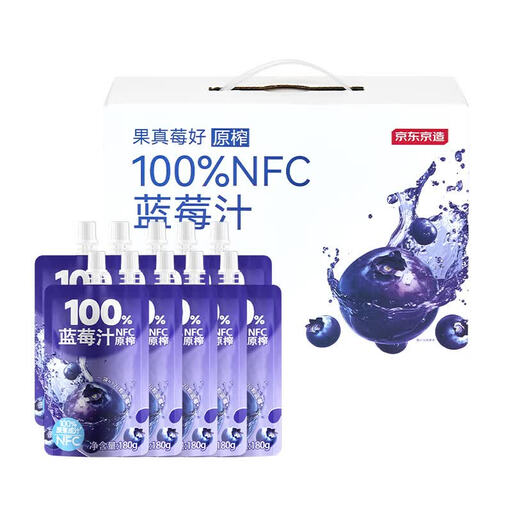
Why This Fits Their Persona: The ten-pouch gift-box format suits shoppers seeking a distinctive fruit drink for home use, office sharing or gifting.
The ingredients list contains blueberries only, while the nutrition panel lets shoppers assess its naturally occurring sugars.
100% NFC formulation; 180g x 10 pouches; zero fat and zero salt listed per 100g.
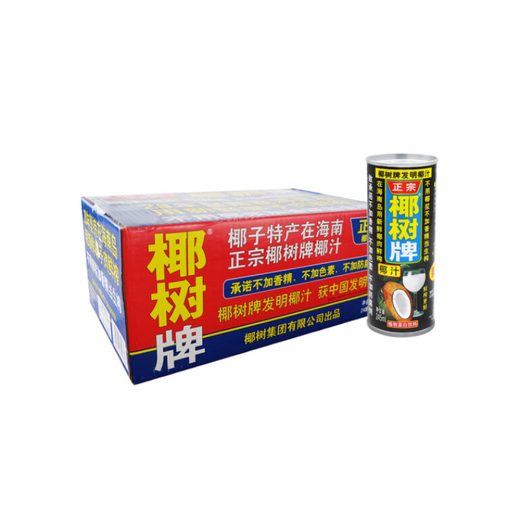
Why This Fits Their Persona: A 24-can case works for families, parties, restaurants, shared offices and shoppers who regularly serve tropical fruit drinks with meals.
The case quantity is clearly stated, helping heavy users compare total volume rather than judging value from a single can.
24 x 245ml cans; ready to drink; suitable for ambient storage before opening. Contains milk, so check allergens carefully.
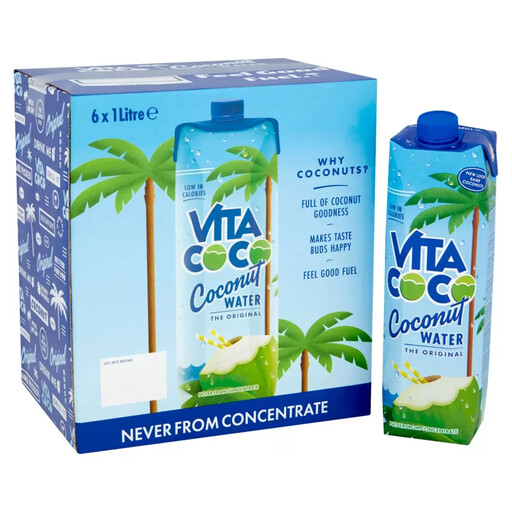
Why This Fits Their Persona: Six one-litre cartons provide a practical supply for families, fitness enthusiasts and workplaces that use coconut water regularly.
The ingredient list states coconut water at 99%, with less than 1% fruit sugar and vitamin C, making the formulation easy to compare.
19kcal per 100ml; 185mg potassium per 100ml; suitable for vegetarians and vegans according to the listing.
We have compiled a complete, real-time list of products that fully satisfy these strict selection criteria and UK safety regulations.
For different flavour profiles, consider FOCO Mangosteen Nectar, J.ZAO Green Lime Juice, J.ZAO Roselle Sour Plum Drink or the Youxianggu Song Pomelo Multi-Fruit Juice Drink. Shoppers wanting familiar flavours can also compare apple juice, pomegranate juice, blueberry juice and mixed apple-and-raspberry drinks.
For a UK cupboard, compare cost per 100ml, not only the ticket price. For gifting, consider presentation and shelf stability. For meals, choose a flavour that complements the food rather than relying on broad claims such as “refreshing” or “natural”.
Some are, but not all. Fruit-only products and certain coconut waters may be vegan-friendly. Coconut juice drinks containing sodium caseinate contain milk and are not suitable for people avoiding dairy. Check the current ingredients and allergen declaration on the packaging before purchase.
Many unopened cans, bottles, pouches and cartons can be stored in a cool, dry place away from direct sunlight. Once opened, follow the label instructions: most products should be refrigerated and consumed promptly. Coconut water commonly requires refrigeration after opening, while some juice drinks advise consumption within two to three days.
No. Coconut water is the liquid from inside the coconut and may be sold as a high-percentage or 100% product. Coconut juice drinks can contain coconut meat, water, sugar, milk-derived ingredients or emulsifiers. Check the ingredients, fat content and allergen information to identify the difference.