
24/7 Customer Support

Free returns

Same-day & Next-day Delivery

Quality Guaranteed

Unlock Your Welcome Offers: FREE Delivery | Up to 80% OFF | Free 30-day JoyPlus trial
Download the APP
The world of Asian fruit tea has moved far beyond the supermarket aisle, offering a vibrant spectrum of flavours that are a world away from standard iced tea. From the subtle notes of peach oolong tea to the zesty kick of grapefruit green tea, these refreshing summer drinks provide a sophisticated alternative to overly sweet soft drinks.
However, as their popularity in the UK grows, so does the confusion. It's easy to be drawn in by colourful packaging and exotic flavour names, only to be let down by a drink that doesn't live up to its promise. As a Joybuy Product Recommendation Officer, my role is to help you navigate the market and find quality options. Here are the common pitfalls to watch for and what truly matters when making your selection.
Before you add that case of bottled fruit tea to your basket, be aware of a few common issues that can lead to disappointment:
To ensure you're getting a high-quality and enjoyable beverage, focus on these key factors.
The type of tea used is fundamental to the drink's character. It's not just a background note; it's the canvas for the fruit.
For a truly refreshing experience, the sweetness should complement, not dominate, the tea and fruit. The most reliable way to compare products is to check the "of which sugars" value per 100ml on the nutritional label. A drink with under 5g of sugar per 100ml can generally be considered a low sugar fruit tea option. Some drinks use alternative sweeteners like sucralose or stevia to reduce calories, which can be a good choice if you're monitoring your sugar intake.
Consider how you plan to enjoy your tea. For daily hydration at home or in the office, buying bulk iced tea in cases of 15 or more is often more convenient and economical. For those seeking a more interactive experience, look for options with fun additions. The rise of popping boba tea in a ready to drink iced tea format offers a playful texture with juice-filled pearls that burst in your mouth.
Based on these criteria, here are a few recommendations tailored to different preferences.
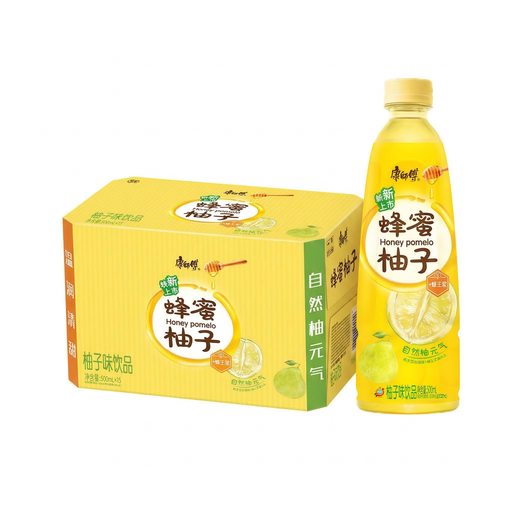
Why This Fits Their Persona: This is a classic and widely recognised flavour from a leading brand. It offers an authentic taste of the popular honey and pomelo (yuzu) combination, making it an excellent starting point for anyone wanting to explore genuine Chinese tea drinks.
It avoids the "flavour illusion" by using real pomelo juice and honey, delivering a balanced sweet and tangy taste that isn't purely synthetic. The price for a bulk pack offers good value, countering the "exotic premium" trap.
Harmonious blend of sweet honey and tangy pomelo. Available in a 15-bottle carton, ideal for stocking the fridge.
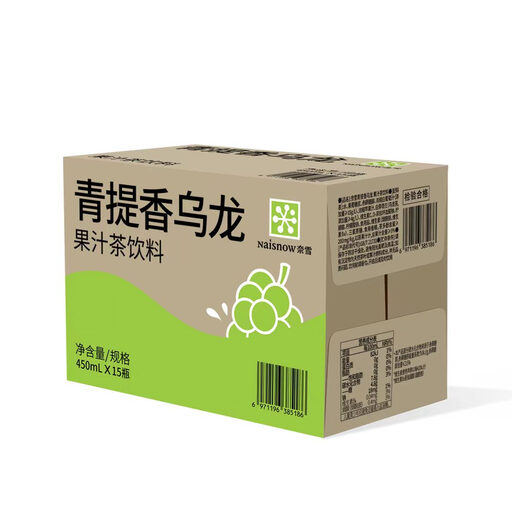
Why This Fits Their Persona: This drink is specifically formulated to be a lighter option. It's ideal for those who actively check labels for sugar and calorie content but still want a flavourful, high-quality tea experience.
It directly counters the "sugar overload" trap with just 4.8g of sugar per 100ml and 20 kcal per 100ml. The use of real white grape juice concentrate and oolong tea ensures an authentic, not artificial, taste.
Genuinely low in sugar and calories. Contains added nicotinamide and vitamin B6 for extra nutritional value.

Why This Fits Their Persona: For those who love the experience of bubble tea, this drink offers a similar textural fun in a convenient, ready-to-drink bottle. It's more than just a thirst-quencher; it's an enjoyable treat.
While it is a sweeter option, its value is in the unique experience. It delivers exactly what it promises: a flavourful peach oolong tea with the added fun of juicy popping boba, justifying its position as a treat-focused beverage.
Contains 8% popping boba that bursts with flavour. Combines the popular peach oolong taste with a playful, modern twist.
We have compiled a complete, real-time list of products that fully satisfy these strict selection criteria and UK safety regulations.
1. Should Asian fruit tea always be served chilled? For the most part, yes. These beverages are designed as ready to drink iced tea and their flavour profiles are at their most vibrant and refreshing when served cold. Chilling the drink helps to bring out the crispness of the fruit and the subtle notes of the tea base. While they are safe to drink at room temperature, the experience is generally much better when chilled.
2. What is the main flavour difference between oolong and green tea in these drinks? The tea base significantly impacts the overall taste. A grapefruit green tea will typically be lighter, zestier and have a slightly sharp, fresh finish. In contrast, a peach oolong tea will be smoother, more aromatic and have a rounder, slightly roasted character that complements the sweetness of the peach. Your choice depends on whether you prefer a brighter, more invigorating drink (green tea) or a smoother, more fragrant one (oolong).
3. Is buying bottled fruit tea in bulk more cost-effective? Generally, yes. Purchasing a bulk iced tea case, such as a 15-pack of 500ml bottles, almost always results in a lower cost per unit compared to buying single bottles. If you have found a flavour you enjoy and have the storage space, buying in bulk is a practical way to stock up and save money, ensuring you always have a refreshing drink on hand.