
24/7 Customer Support

Free returns

Same-day & Next-day Delivery

Quality Guaranteed

Unlock Your Welcome Offers: FREE Delivery | Up to 80% OFF | Free 30-day JoyPlus trial
Download the APP
Buying Asian groceries online can save time and open up flavours that are difficult to find in a local supermarket. However, product pages often place more emphasis on taste, tradition or lifestyle imagery than on the details that affect your purchase: pack size, allergens, sugar, preparation time and storage.
Whether you are shopping for Asian snacks, breakfast cereals, instant oatmeal sachets or Filipino canned tuna, a careful check of the label can help you avoid unsuitable products and unnecessary spending.
A large bag or multi-pack may look economical, but the usable quantity can vary considerably. A cereal box may contain one bulk pouch, while instant oatmeal comes in individually portioned sachets. Individual packaging can be useful for an office drawer or university accommodation, but it may cost more per serving.
Compare the net weight, number of portions and serving size rather than relying on the front-of-pack design. For example, a product described as 838g may include 700g of oatmeal plus 138g of separately packed glucose.
Words such as “fruit”, “honey”, “BBQ” or “traditional” describe flavour, not necessarily nutritional suitability. Hawthorn flakes, fruit snacks and sweetened breakfast cereals can contain considerable sugar. Seasoned seaweed and crackers may also contain more salt than expected.
Use the nutrition table per 100g to compare products consistently. This is more useful than comparing serving figures when pack sizes differ.
Terms such as “oat”, “rice”, “fruit” and “vegetable” do not automatically mean gluten-free, vegan or suitable for an allergy. Oat flakes may be included alongside wheat, barley or malt. Seasoned seaweed can contain sesame, soy or wheat-based seasoning, while canned tuna sauces may contain fish, soya and cereals containing gluten.
Always check the current packaging, bold allergen declaration and precautionary allergen statement before buying. Product formulations and packaging can change.
For UK shoppers, the most important check is the ingredients list. Look for allergens highlighted in bold, including wheat, oats, barley, soybeans, sesame, nuts, peanuts, milk and fish.
A cereal marketed around oat flakes may still contain wheat or barley malt. For instance, some instant oatmeal sachets include compound cereals, non-dairy creamer and soybeans. If you need a gluten-free cereal, choose a product with suitable certification and verify the label rather than relying on the product title alone.
Compare:
For example, Xiao Tian Fruit & Nut Oat Crunch lists 22.9g of dietary fibre per 100g and includes oat flakes, raisins, banana, cranberries, coconut, seeds and nuts. It also clearly identifies cereals containing gluten and almonds and cashews as allergens.
Ready-to-eat snacks such as crackers, Korean seaweed flakes and hawthorn flakes are convenient for work, travel or lunchboxes. Instant oatmeal sachets generally need boiling water and a mug or bowl, but individual packs help control portions and reduce mess.
Check whether a product needs refrigeration after opening. Canned tuna should be transferred to a non-metallic container, refrigerated and consumed within two days once opened. Dry goods should be sealed and stored in a cool, dry place to protect texture and freshness.
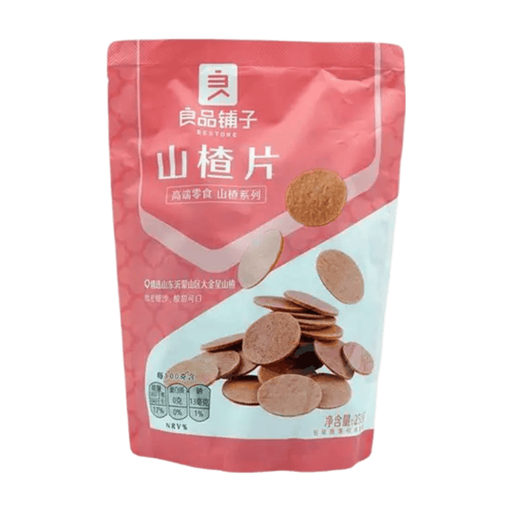
Why This Fits Their Persona: A shareable 250g pack with 19–21 small bags suits students, office drawers and shoppers trying Asian snacks without committing to a large mixed order.
The individual portions make the quantity easier to understand and help limit exposure to moisture after opening. The label lists hawthorn and sugar, allowing a straightforward sugar check.
Ready to eat; individually packed; no allergens are listed in the supplied product information.
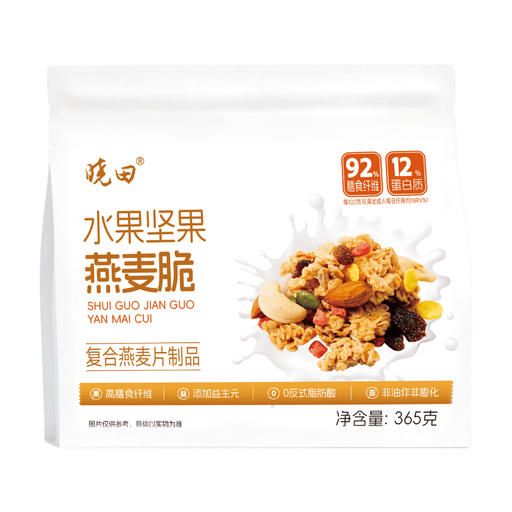
Why This Fits Their Persona: A mixed cereal for households wanting varied texture and flavour at breakfast, with the option to serve it with milk, yoghurt or directly as a snack.
The ingredient percentages and allergen information are provided, so shoppers can see that oat cereal is at least 47% and that nuts and gluten-containing cereals are present.
22.9g dietary fibre per 100g; includes fruit, seeds and nuts; ready to eat.
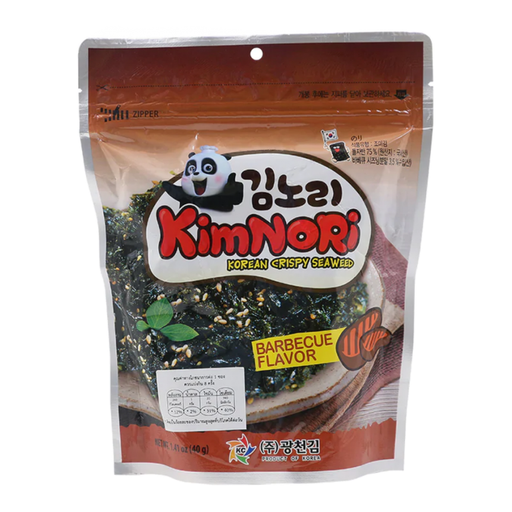
Why This Fits Their Persona: Useful for busy households and rice-based meals, this Korean seaweed flakes product can be sprinkled over rice, noodles, salads or eaten straight from the packet.
The product is clearly positioned as seasoned seaweed rather than a plain ingredient. Check the declared sesame, soy and wheat allergens and the 3.4g salt per 100g before serving.
Ready to eat; made in South Korea; suitable for topping several everyday dishes.
For quick breakfasts, Family Whole Red Dates Raisins Oat Flakes provides 20 individual 35g sachets and requires approximately 175ml of boiling water per serving. Other flavours include black rice and black sesame, purple sweet potato and yam, or fruit and vegetable oat flakes.
For portable savoury food, Filipino canned tuna in Adobo Style Sauce or Caldereta Style Sauce can be served with rice, bread or pasta. Check the sauce ingredients carefully, as both varieties contain fish and the supplied information identifies soya or wheat-related allergens.
Those looking for crackers or convenient snacks may prefer individually wrapped Sky Flakes Crackers, while shoppers comparing standard cereals can review options such as oat flakes, fruit and nut cereal or fortified cornflakes. Magnesium bath flakes are also available as a separate self-care purchase, but they are for external use only and should be used according to the product label.
We have compiled a complete, real-time list of products that fully satisfy these strict selection criteria and UK safety regulations.
It can be convenient and may reduce travel costs, but value depends on delivery charges, pack size and shelf life. Compare the price per 100g or per portion, particularly for large cereal packs and multi-buy Asian snacks.
Read the full ingredients list and allergen statement, then look for recognised gluten-free certification where required. Oats may be accompanied by wheat, barley or malt, and “rice” or “corn” in the product name does not guarantee the absence of gluten. Check the physical packaging before consumption.
Dry cereals, crackers and seaweed should be resealed and kept in a cool, dry place. Moisture can quickly affect crispness. Opened canned tuna should be refrigerated in a non-metallic container and consumed within two days. Always follow the best-before date and storage instructions printed on the packaging.