
24/7 Customer Support

Free returns

Same-day & Next-day Delivery

Quality Guaranteed

Unlock Your Welcome Offers: FREE Delivery | Up to 80% OFF | Free 30-day JoyPlus trial
Download the APP
By Joybuy Product Recommendation Officer
Searching for Asian groceries online UK shoppers can trust often starts with a familiar problem: attractive packaging does not always tell you whether a product suits your household, cooking habits or storage space. A large family pack may look economical but remain unused, while a small snack multipack can offer better value if you want variety without waste.
This guide focuses on practical checks for buying Asian snacks, Chinese food online, Korean food, plant-based protein foods and pantry staples. It also highlights selected products for different UK shopping needs.
A 1kg or multi-pack format is only cost-effective if you can use it before quality declines. Dried chickpeas and mung beans have a long cupboard life when sealed correctly, but opened ready-to-eat tofu snacks and chilled or frozen products need more careful planning.
Compare:
“Quick meal” can mean different things. Some instant noodles are ready in three minutes, while dried tofu sticks may need two to three hours of soaking. Bungeoppang red bean pastries may require an air fryer or deep fryer, and dried mung beans need thorough cooking before eating.
Always check whether the product is:
Words such as “protein-rich”, “original flavour” or “traditional” do not replace the ingredient list. Several savoury tofu snacks contain soy, wheat, sesame, salt, sugar or flavour enhancers. A product may suit a vegetarian diet while still being unsuitable for someone avoiding gluten or soy.
For UK shoppers, check the bold allergen declaration, country of origin, responsible business details, best-before information and storage instructions on the listing and packaging.
Choose formats according to household use. A family pack of 21 individual soya milk sachets can be practical for weekday breakfasts, whereas a 108g tofu snack containing multiple small packs may work better for lunchboxes or portion control.
For regular cooking, dried legumes offer flexibility:
Look beyond front-of-pack claims. For example, dried mung beans listed as 100% green mung beans provide a straightforward ingredient profile, while seasoned tofu snacks may contain soybeans, wheat and sesame.
Nutritional values also help compare products. The listed Morrisons Chickpeas In Water provide 7.4g protein and 4.1g fibre per 100g drained, while the Laila dried chickpeas provide 21g protein and 11g fibre per 100g. These figures are presented in different product states, so they should not be compared as though they are identical serving formats.
For instant meals, consider the complete bowl rather than only the noodle cake. Lamianfan Chongqing Small Noodles include several seasoning sachets and list 25.8g salt per 100g, making portion size and frequency important considerations.
Ambient products are generally easier to organise in a UK kitchen, but space and shelf life still matter. Store dried goods in airtight containers after opening and keep cans in a cool, dry cupboard. Opened canned chickpeas should be transferred to a non-metallic container, refrigerated and used within the stated period.
Check whether products arrive frozen or require immediate refrigeration. This is particularly important when combining pantry staples with family food bundles. For non-food products such as Korean skincare or tofu cat litter, check usage instructions, batch or packaging information and whether the item is suitable for your household or pet before purchase.
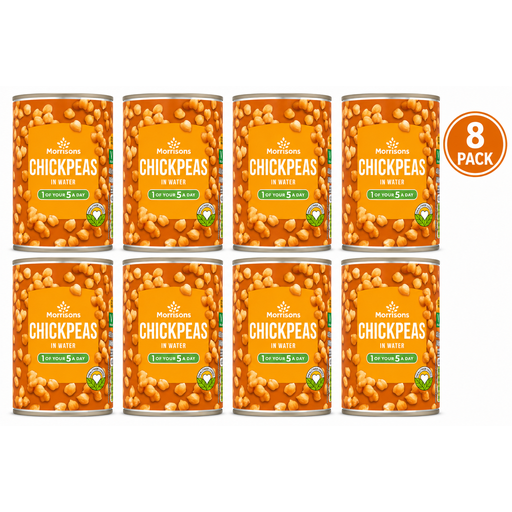
Why This Fits Their Persona: Eight ambient cans provide a convenient starting point for hummus, salads, curries and quick weekday meals without soaking dried beans.
The eight-can format is easier to portion than one oversized bag, and each can is clearly described as containing approximately two servings.
Ready to use; suitable for vegan and vegetarian diets; ingredients include chickpeas, water and ascorbic acid.
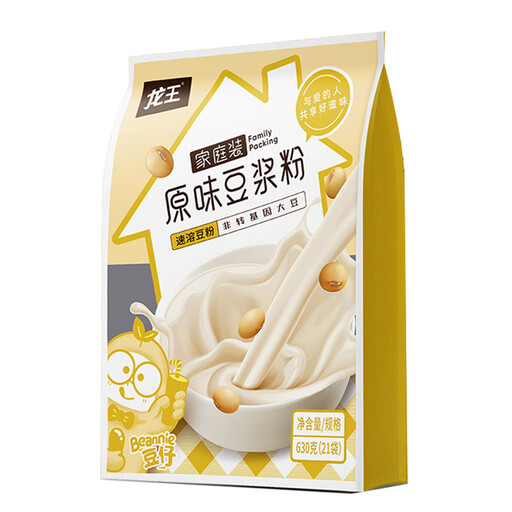
Why This Fits Their Persona: Individual 30g sachets suit shoppers who want a measured daily drink and a tidy family cupboard format.
The 21-sachet pack reduces repeated measuring, while the listing states that it contains no added sucrose. It still contains soya and maltose syrup, so the label matters.
630g total weight; 18g protein per 100g; prepared with 180ml of hot water at approximately 80–85°C.
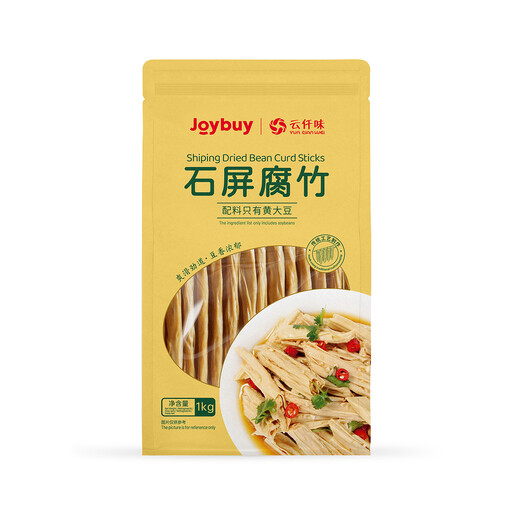
Why This Fits Their Persona: A 1kg pack is suited to regular cooks preparing hot pots, braises, stews or cold salads for several people.
The ingredient list states yellow soybeans only, but the product requires soaking for two to three hours. Buyers can plan preparation instead of mistaking it for a ready-to-eat snack.
One-kilogram format; 41.3g protein per 100g as listed; suitable for multiple cooking methods after rehydration.
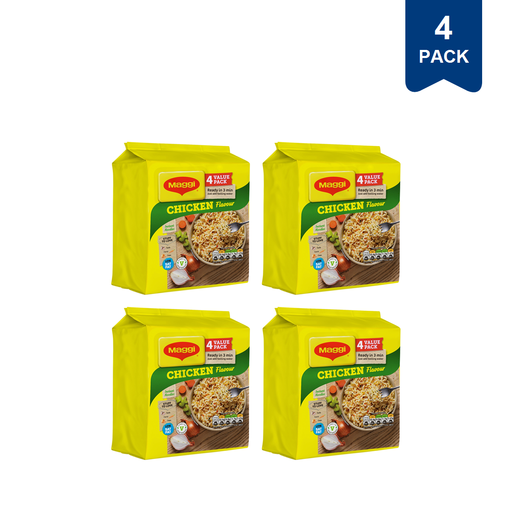
Why This Fits Their Persona: Four individual packs can provide a quick cupboard meal for busy evenings, university rooms or packed schedules.
The three-minute preparation time is clearly stated, but shoppers should still check wheat and possible milk, egg, soya, mustard and sesame warnings.
Four single packs; preparation by kettle or microwave is listed; vegetables or other toppings can be added.
We have compiled a complete, real-time list of products that fully satisfy these strict selection criteria and UK safety regulations.
Check the ingredient list, allergen information, pack size, preparation method, storage conditions, country of origin and responsible business details. Compare unit prices and confirm whether the item is ambient, chilled or frozen before ordering.
They may offer a lower cost per cooked portion, particularly in larger packs, but they require soaking, cooking time and suitable storage. Canned chickpeas cost more per drained gram in many cases but are ready to use, which can reduce preparation time and food waste.
Follow the best-before date printed on the packaging and store unopened products as directed. Once opened, ready-to-eat tofu snacks should generally be consumed promptly according to the label. Prepared noodles should not be stored at room temperature for extended periods. Always check the packaging supplied with your order, as formulations and dates can change.