
24/7 Customer Support

Free returns

Same-day & Next-day Delivery

Quality Guaranteed

Unlock Your Welcome Offers: FREE Delivery | Up to 80% OFF | Free 30-day JoyPlus trial
Download the APP
Bringing the vibrant flavours of Asian cuisine into your own kitchen is a rewarding experience. However, sourcing authentic Asian ingredients online in the UK can sometimes feel like navigating a minefield of confusing labels and marketing claims. Many home cooks find themselves disappointed when a "premium" product fails to deliver, or a key ingredient isn't quite right for their recipe.
As a Joybuy Product Recommendation Officer, my role is to help you sidestep these common issues. Before you add anything to your basket, let's look at two frequent pitfalls that can lead to wasted money and culinary frustration.
To ensure you get the right product every time, focus on a few key parameters rather than just the marketing.
The type of rice you choose is fundamental to the success of your dish. The main distinction lies in the grain length, which determines its starch content and texture when cooked.
When you decide to buy Dassai sake or Kubota sake, you'll notice numbers like 23, 39 or 45 on the bottle. This isn't a quality score, but a rice polishing ratio. It indicates how much of the outer rice grain has been milled away.
To help you choose, here are a few products matched to different cooking styles and needs.
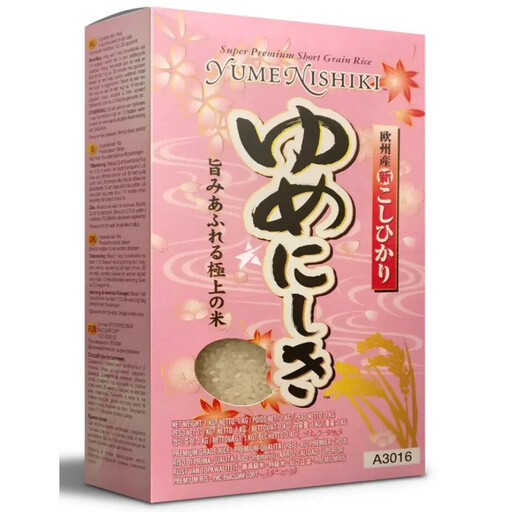
Why This Fits Their Persona: For anyone serious about making authentic sushi or onigiri at home, the right rice is non-negotiable. This product is specifically a super premium short-grain variety, designed to deliver the ideal sticky and tender texture that holds its shape for nigiri and rolls.
It bypasses the vague "premium" label by being a specific super premium short grain rice. Its purpose is clear, ensuring you don't accidentally buy a long-grain variety unsuitable for sushi.
Delivers the plump, sticky and slightly sweet profile essential for authentic Japanese food online. The 1kg pack is ideal for home use without committing to bulk storage.
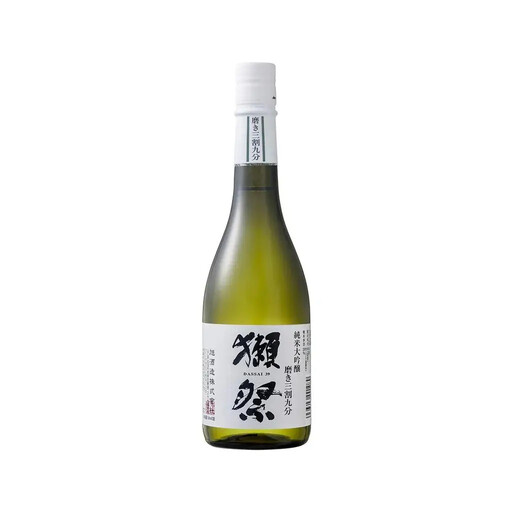
Why This Fits Their Persona: This individual appreciates the finer details and is looking for a high-quality drinking sake to pair with a meal or enjoy on its own. Dassai 39 is a globally recognised Junmai Daiginjo, offering a sophisticated and refined experience.
This is clearly a premium drinking sake, not a cooking wine. The "39" specifies the rice polishing ratio, providing a tangible measure of its refinement and helping you avoid the pitfall of using the wrong type of sake.
Crafted from Yamadanishiki rice polished to 39%, it offers a smooth, silky body with notes of white peach and pear. It's an excellent introduction to the world of premium sake.
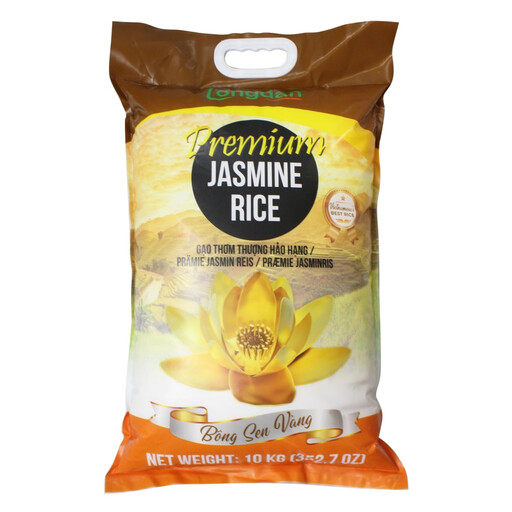
Why This Fits Their Persona: This user cooks Asian food regularly for their family and needs a reliable, versatile and economical staple. A large 10kg bag of quality Jasmine rice is perfect for daily meals, from serving with curries to making fragrant fried rice.
This product's value is in its quantity and specific grain type (Jasmine), not a vague "premium" claim. It's a practical choice for its intended purpose: a versatile, long-grain rice for frequent use.
The 10kg bag offers excellent value for households that consume rice regularly. The Jasmine variety provides a fragrant aroma and fluffy texture that complements a wide range of Asian dishes.
We have compiled a complete, real-time list of products that fully satisfy these strict selection criteria and UK safety regulations.
To maintain freshness and prevent pests, it's advisable to transfer the rice from its original paper or plastic bag into one or more large, airtight food-grade containers. Store these containers in a cool, dark and dry place like a pantry or cupboard, away from direct sunlight and moisture. This will protect the quality of the grains for many months.
While both are rice-based, they serve very different purposes. Japanese sake, especially premium grades like Junmai Daiginjo, is a beverage intended for drinking. It has a complex, delicate flavour profile. Chinese cooking wine (like Shaoxing wine) is specifically for cooking. It is typically salted to prolong its shelf life (and make it undrinkable) and has a potent, savoury flavour designed to tenderise meat, remove unwanted odours and add depth to marinades and braises.
For those new to sake, the difference might be subtle at first. However, as your palate develops, you will likely notice a significant difference. A more highly polished sake (like a Dassai 23 vs. a Dassai 45) generally has a cleaner, smoother texture and a more pronounced floral or fruity aroma, with less of the cereal or rice-like notes. Whether the price difference is "worth it" is a matter of personal preference and the occasion.