
24/7 Customer Support

Free returns

Same-day & Next-day Delivery

Quality Guaranteed

Unlock Your Welcome Offers: FREE Delivery | Up to 80% OFF | Free 30-day JoyPlus trial
Download the APP
Stocking your pantry with authentic Asian ingredients is the first step to creating delicious, home-cooked meals that taste just right. However, navigating the world of Asian groceries UK can be tricky. With so many brands and labels, it's easy to fall into common purchasing traps that lead to disappointing dishes and wasted money. As a Joybuy Product Recommendation Officer, my role is to help you identify the key markers of quality so you can fill your cupboards with confidence.
This guide will walk you through the common pitfalls when buying staples like rice and noodles, explain the essential factors to look for and offer some practical recommendations for different household needs.
Before you add that large bag of rice to your basket, be aware of these frequent mistakes that many UK shoppers make:
To avoid these issues, focus on a few key product specifications. Understanding these will empower you to make informed choices that suit your cooking style.
The type of rice you choose forms the foundation of your meal. The two most popular long-grain varieties in Asian cooking have distinct characteristics:
When considering bulk rice, be realistic about your consumption. A 10kg rice bag is excellent for large families, avid home cooks or small food businesses. If you only cook rice a few times a week, a 5kg bag might be a more practical choice to ensure freshness. Regardless of size, always store your rice in a cool, dry place in an airtight container after opening.
The same principle of choosing the right tool for the job applies to other staples. For rice noodles, check the width and recommended cooking method. Thinner vermicelli is great for salads and spring rolls, while wider, flat noodles are essential for a hearty bowl of pho. For vinegars, a traditionally brewed Chinese vinegar like those from Haday or Baoning will offer a more complex and mellow acidity than a standard distilled vinegar, elevating your marinades and dipping sauces.
To make things simpler, here are a few recommendations matched to different types of home cooks in the UK.
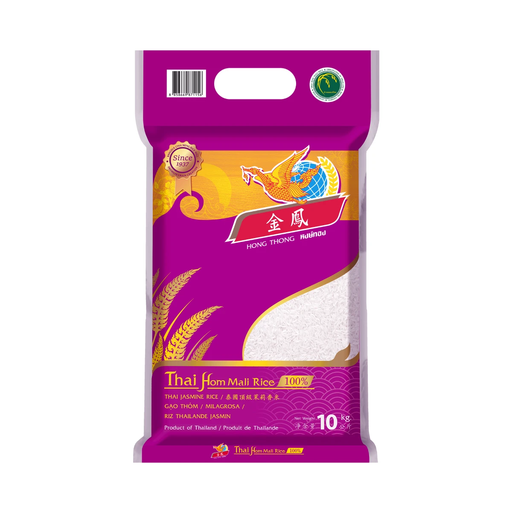
Why This Fits Their Persona: This is for the household where rice is a daily staple. The 10kg bag offers great practicality for regular use, and its versatility suits a wide range of Chinese, Thai and other Asian home-cooked meals.
It directly counters the "Jasmine-Scented" trap by being 100% authentic Thai Hom Mali rice, confirmed by the official green quality seal on the packaging. You get genuine aroma and texture, not an imitation.
Guaranteed authenticity and quality. Delivers a consistently soft, fluffy texture and natural fragrance, making it a reliable foundation for countless meals.

Why This Fits Their Persona: For the cook who loves making rich, flavourful dishes like biryani, pilaf or jollof rice. This rice is specifically designed to withstand slow cooking and absorb sauces without becoming sticky or breaking.
This is a specialised grain, not an "all-purpose" one. As a Golden Sella rice, it's parboiled, ensuring the grains stay separate and fluffy, avoiding the mushiness that can ruin a carefully prepared curry or biryani.
Extra-long, non-sticky grains that provide a restaurant-quality texture. The parboiling process also helps seal in nutrients.
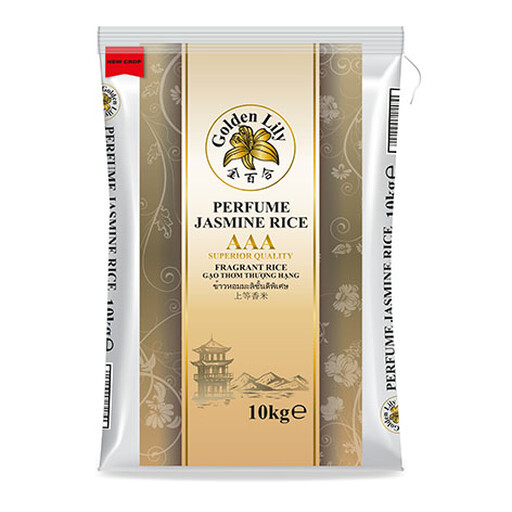
Why This Fits Their Persona: Ideal for those who prioritise value and need to buy in bulk, such as large families, students sharing a flat or small takeaway owners. This 10kg rice bag provides a large quantity of reliable Jasmine rice for everyday cooking.
It solves the "bulk-buying value trap" for high-volume users. By choosing a known, consistent brand like Golden Lily, you avoid the risk of poor quality associated with unbranded bulk purchases, ensuring your investment is worthwhile.
Excellent cost-per-serving. It delivers a dependable, fragrant Jasmine rice that performs well in a variety of dishes, from simple steamed rice to fried rice.
We have compiled a complete, real-time list of products that fully satisfy these strict selection criteria and UK safety regulations.
Here are answers to a few common questions UK shoppers have about their Asian pantry staples.
Once opened, the key is to protect the rice from air and moisture. Transfer the rice from its original paper or plastic sack into one or more large, airtight food-grade containers. Glass, ceramic or BPA-free plastic containers with tight-fitting lids are ideal. Store them in a cool, dark and dry place like a pantry or cupboard, away from the oven or direct sunlight. This will preserve its flavour and prevent pests.
Thai Hom Mali rice is a specific, premium grade of Jasmine rice grown only in certain regions of Thailand. To earn the name and the official green certification mark, it must meet strict government standards for grain purity, length, moisture content and aroma. Other rice may be of the jasmine variety, but "Thai Hom Mali" is a guarantee of the highest quality, ensuring a superior soft texture and fragrant aroma.
While you can, it's not the traditional choice. Fried rice is typically made with day-old, chilled Jasmine rice because its slightly sticky nature helps it clump together with the other ingredients. Basmati rice grains are drier and more separate, which means your fried rice will have a looser, more pilaf-like texture. For an authentic result, Jasmine rice is the preferred option.