
24/7 Customer Support

Free returns

Same-day & Next-day Delivery

Quality Guaranteed

Unlock Your Welcome Offers: FREE Delivery | Up to 80% OFF | Free 30-day JoyPlus trial
Download the APP
Buying Asian groceries in the UK online can make home cooking more convenient, but product pages do not always tell the full story at a glance. A large pack may offer poor value if you only use a small amount, while an attractive “authentic” label may hide added sugar, allergens or unclear preparation instructions.
This guide explains the practical details to check before buying Chinese food ingredients, Japanese cooking ingredients, Asian snacks and everyday pantry products.
Sesame oil is often purchased for stir-frying, marinades and dipping sauces, but many blended sesame oils are primarily used to add aroma at the end of cooking. Checking the ingredient list matters: some products contain sesame oil alongside soybean oil, while others list sesame oil as the only ingredient.
A smaller bottle can be sensible if you use sesame oil sparingly as a finishing ingredient. Larger formats may suit households preparing Asian dishes regularly, provided the storage instructions and consumption habits match.
A 750g mixed nuts and seeds pack may look economical, but dried fruit, sweeteners and seasoning can change the product’s nutritional profile. Individual portions can reduce waste and improve convenience, yet they may cost more per serving than a larger resealable bag.
For Asian snacks, compare the net quantity, serving format, sugar, salt and allergen information, rather than relying only on claims such as “premium” or “natural”.
Tempura batter mix and Asian seasoning mixes are convenient, but they are not interchangeable. A batter may contain wheat and egg, while a barbecue seasoning can include sesame, peanuts, soya and flavour enhancers.
Always read the UK-facing label before purchasing, especially when cooking for children, guests or anyone with a food allergy. Check whether the product is ready to eat or must be cooked, and follow any temperature or handling instructions.
Ingredients are generally listed by weight, so the first items give a useful indication of the product’s composition. For example, a seasoning mix led by cumin, sesame and peanut powder will have a different use and allergen profile from a simple salt-and-spice blend.
Look for clearly stated allergens such as sesame, peanuts, tree nuts, wheat, eggs, milk and soya. Also check precautionary wording such as “may contain” or shared-production warnings.
Match pack size to how often you cook. A 25g beef and lamb stew mix may be portioned for approximately 1–1.5kg of meat, whereas a 45g stuffing seasoning mix can be used across stuffing, soups, stir-fries and roasting.
For sesame oil, consider whether you need a 150ml bottle for occasional use or a larger bottle for frequent cooking. Store it as directed, away from direct sunlight, and keep the cap tightly closed after use.
Japanese cooking ingredients such as tempura batter mix need practical checks:
For canned congee, check whether it can be heated directly. The Daliyuan product information specifically advises against heating the can directly over a flame or in a microwave. Once opened, it should be consumed immediately.
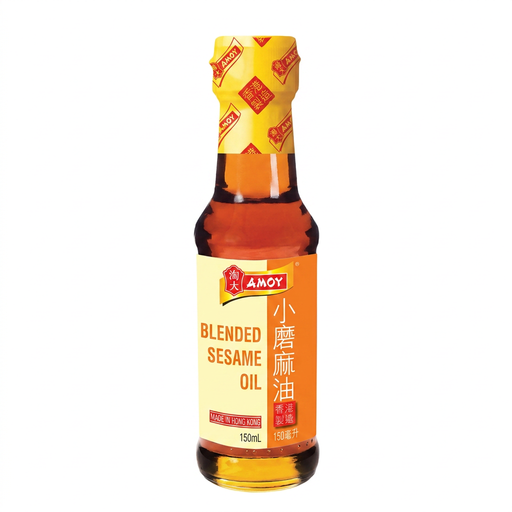
Why This Fits Their Persona: The 150ml format gives occasional cooks a manageable way to try sesame oil without committing to a larger bottle.
The listing identifies a roasted sesame flavour and states no added preservative, MSG, flavour enhancer or artificial colour.
Roasted sesame flavour; compact 150ml quantity; suitable for cooking and finishing dishes.

Why This Fits Their Persona: Shoppers seeking variety and clearly stated composition may prefer a multi-ingredient snack with individual portions.
The ingredient percentages are provided, including walnuts, cashews, cranberries and almonds, so shoppers can assess the mix rather than rely on vague wording.
750g total quantity; 30 individual 25g packs; tree-nut allergens are clearly listed.
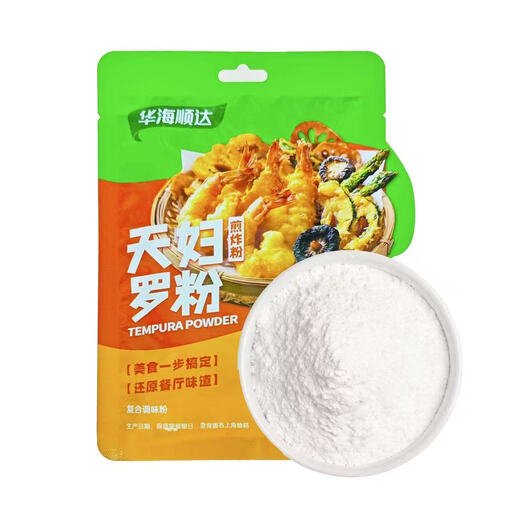
Why This Fits Their Persona: Regular home cooks can use one mix for vegetables, seafood and meat when preparing Japanese-style meals.
The instructions specify 150–180ml of cold water per 100g and an oil temperature of 170–180°C, making preparation clearer.
Contains wheat and egg; suitable for multiple food types; includes defined cooking instructions.
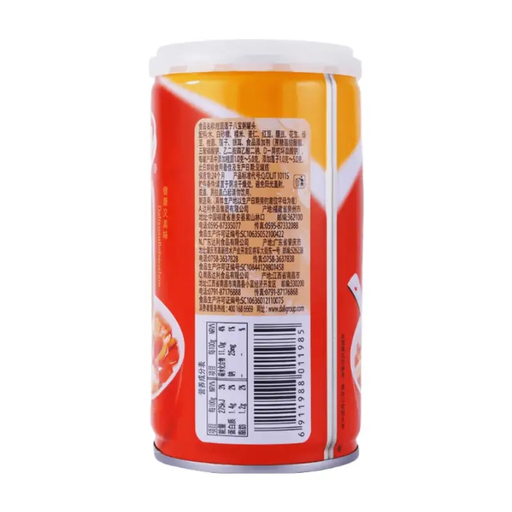
Why This Fits Their Persona: A shelf-stable option for quick breakfasts, desserts or convenient pantry planning.
The pack identifies its 360g quantity, allergens and the specific 1% longan and 1% lotus seed content.
Ready to eat hot or cold; contains glutinous rice and mixed beans; no refrigeration required before opening.
We have compiled a complete, real-time list of products that fully satisfy these strict selection criteria and UK safety regulations.
A practical online basket might combine a few complementary categories:
Look for an online range that provides product quantities, ingredient lists, allergen information, origin details and storage instructions. This makes it easier to compare products beyond packaging and promotional wording.
Most dry seasonings should be kept sealed in a cool, dry place away from direct sunlight. Sesame oil should be closed tightly after use and stored according to the product label. If refrigeration is advised after opening, follow that instruction.
Not automatically. Asian snacks may contain peanuts, tree nuts, sesame, wheat, soya, milk or other allergens. Read the complete label each time, including shared-production warnings, before serving.