
24/7 Customer Support

Free returns

Same-day & Next-day Delivery

Quality Guaranteed

Unlock Your Welcome Offers: FREE Delivery | Up to 80% OFF | Free 30-day JoyPlus trial
Download the APP
Asian herbal tea covers a wide range of drinks, from Chinese herbal tea and Korean herbal tea to instant sachets and chilled ready-to-drink herbal tea. However, attractive packaging and traditional language do not always tell you what is inside the bottle or tea bag.
For UK shoppers, the practical choice depends on ingredients, sugar content, caffeine status, preparation method, pack size and storage instructions. The following guide highlights common buying traps and matches different products to everyday routines.
Many herbal infusions contain no tea leaves and are naturally caffeine-free, but not every Asian-style bottled tea follows this format. Check the ingredients rather than relying on the word “herbal”. A blend may include tea extract, while a drink marketed as refreshing may contain added sugar.
Peppermint, jujube, ginger and corn silk infusions are commonly selected by shoppers looking for caffeine-free herbal tea. Still, the product label remains the reliable reference.
A traditional recipe is not automatically a low-sugar recipe. Ready-to-drink Chinese cooling tea may contain white sugar, and concentrated jujube or ginger tea can naturally contain substantial sugars.
For example, the listed nutrition information for some bottled herbal teas shows around 8–10g of sugars per 100ml, while a 310ml serving can contain considerably more. If you want a sugar-free iced tea, choose a product that clearly states its sugar and calorie information rather than relying on descriptions such as “light” or “refreshing”.
Tea bags, concentrates and ready-to-drink products suit different routines. A large jar may appear economical but needs measuring and refrigeration after opening. A bottle is convenient for work or travel but can take up more cupboard space and may need prompt consumption once opened.
Always check whether the product requires boiling water, refrigeration or consumption within a stated period after opening.
Read the ingredient list from highest to lowest quantity. Hao Xiang Ni Sweet Wheat and Jujube Tea, for example, lists red dates at at least 82%, licorice at at least 11% and wheat. The wheat ingredient is also identified as a gluten allergen, making this detail important for shoppers with dietary restrictions.
For a simpler recipe, Otoki Jujube Tea 1KG lists jujube extract (100%), while Otoki Ginger Tea 1KG lists ginger as its ingredient. These products may suit shoppers who prefer a more focused flavour profile.
Compare the nutrition panel per 100ml, per serving or per prepared drink. This matters especially when choosing bottled drinks, concentrates or instant herbal tea.
Choose the format that matches how often you drink tea:
A large pack is not automatically better value if you do not enjoy the flavour or cannot use it before the recommended storage period.
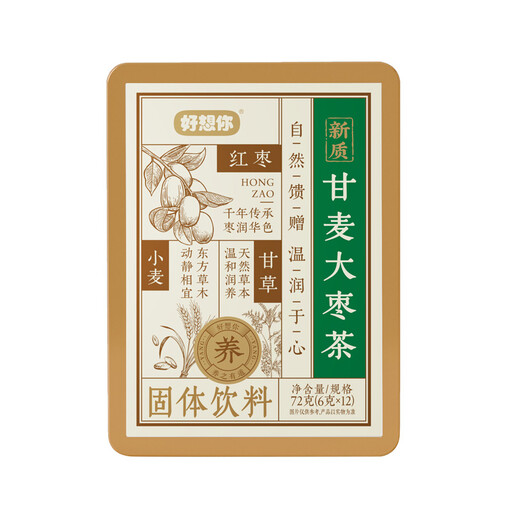
Why This Fits Their Persona: The 12-piece pack offers a straightforward way to try jujube tea without committing to a large jar or multi-bottle case. Each serving is prepared with 200–250ml of boiling water.
The listed ingredients and allergen information make the wheat content visible, while the portioned tea bags avoid guesswork when brewing.
Red dates make up at least 82% of the blend; the tea is described as caffeine-free and comes in individually usable portions.
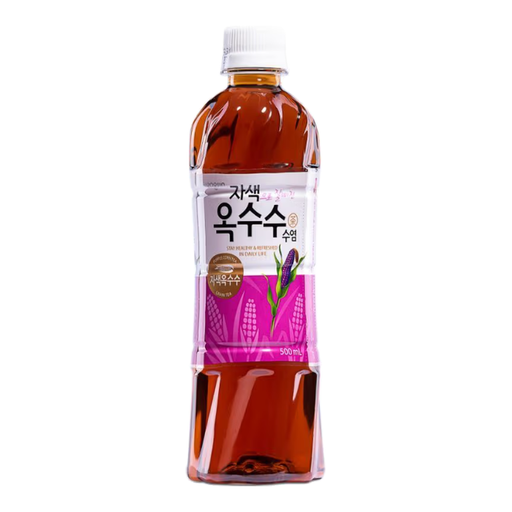
Why This Fits Their Persona: This Korean herbal tea is ready to drink and can be chilled before serving, making it suitable for shoppers who prefer a bottled drink with a clearly stated sugar-free profile.
The ingredient list identifies water, corn silk extract, purple corn extract and natural flavours, with nutrition listed at approximately zero sugar and zero calories per 100ml.
500ml ready-to-drink format; no listed allergens; suitable for serving chilled or at room temperature.
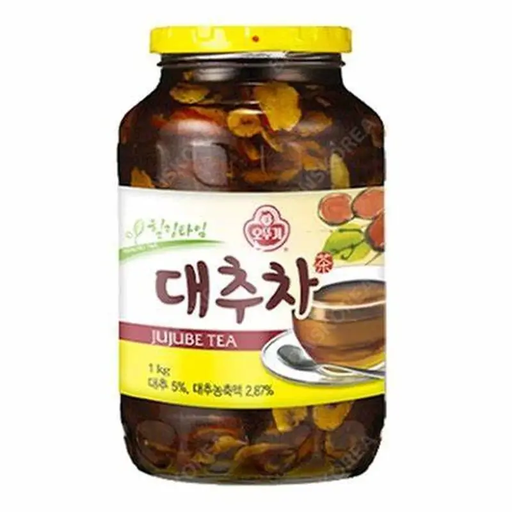
Why This Fits Their Persona: The 1kg concentrate suits households, shared offices or regular tea drinkers who want to adjust the strength and serve it hot or cold.
The label states that the product is naturally high in sugars, helping shoppers account for the concentrate rather than assuming it is a low-sugar drink.
Made with 100% jujube extract; can be mixed with approximately 200ml of hot or cold water and adjusted to taste.
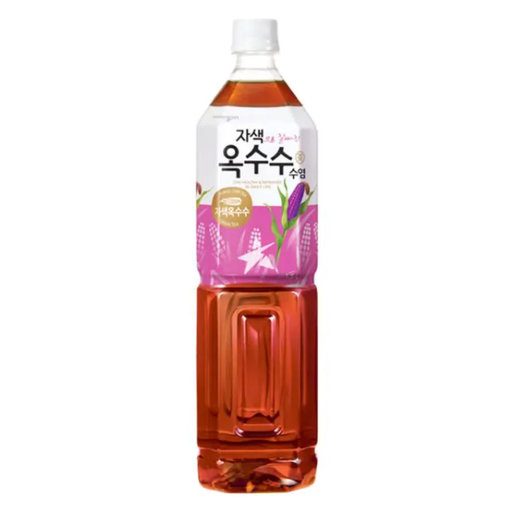
Why This Fits Their Persona: The 1.5L bottle works well for sharing at home or keeping chilled in an office fridge, reducing the need to prepare individual cups.
The product information clearly states that sugar is included, so it should not be confused with the sugar-free 500ml version.
Large ready-to-drink format; refrigerate after opening and consume within three days for best quality and safety.
We have compiled a complete, real-time list of products that fully satisfy these strict selection criteria and UK safety regulations.
Some varieties are, but not all. Infusions made from peppermint, jujube, ginger, chrysanthemum or corn silk may be caffeine-free when no tea leaves or tea extract are included. Check the ingredients and product information before buying.
Store unopened bottles or cans according to the packaging instructions, usually in a cool, dry place away from direct sunlight. Once opened, many products should be refrigerated and consumed within 24 hours to three days, depending on the label.
It can reduce the cost per serving, but only if you will use the product regularly and have suitable storage. Compare the total volume, preparation method and sugar content. A box of tea bags may be more practical for daily mugs, while a multi-pack of cans suits households, events or shared workplaces.