
24/7 Customer Support

Free returns

Same-day & Next-day Delivery

Quality Guaranteed

Unlock Your Welcome Offers: FREE Delivery | Up to 80% OFF | Free 30-day JoyPlus trial
Download the APP
Preparing hot pot, ramen or oden at home can be quick and economical with an Asian hot pot soup base. Instead of building flavour from several sauces, spices and stock ingredients, a concentrated base provides a convenient starting point for a shared pot or individual bowl.
However, not every soup base suits every dish. A spicy Chinese hot pot base may overpower delicate seafood, while a Japanese dashi soup base may not provide the heat expected from Sichuan-style cooking. Before buying, check the dilution instructions, allergens, portion size and intended use rather than relying on phrases such as “authentic” or “restaurant-style”.
Some products need to be diluted with water or stock, while others are portioned seasoning sachets. Using a concentrate without enough liquid can make the broth excessively salty or oily. Conversely, adding too much water can produce a weak soup.
Look for a clearly stated ratio, such as 30ml base to 270ml boiling water for Kikkoman’s ramen base or one part base to 10 parts water for DAISHO Oden Soup Base.
“Hot pot soup base” covers several distinct profiles:
Select the flavour around the ingredients you plan to cook, not simply the package size.
Many Asian soup bases contain soybeans, wheat, sesame or fish. Some also include milk, peanuts, molluscs or sulphites. Always read the ingredient list and allergen statement on the packaging, particularly when serving guests.
Salt levels vary considerably. For example, the listed nutritional information for some concentrated dry mixes is high per 100g because the product is intended to be diluted. Follow the preparation instructions and avoid adding extra salt until the broth has been tasted.
A small pouch may be designed for one meal, whereas a 750g bottle or pack can supply several family-sized pots. Compare the prepared volume, not just the net weight. A base that requires 600ml of water may suit a small hot pot, while a product designed for two litres is more practical for gatherings.
For individual meals, the HAIDILAO Pickled Cabbage base is a 125g single-serve portion. Its hot-and-sour profile includes pickled cabbage, radish, ginger, chilli and Sichuan pepper oil.
Choose between:
Check whether the packaging says to refrigerate after opening and whether the contents should be consumed promptly.
A vegetarian or vegan choice still requires label checking. The Qi Shan Three Treasures base is described as plant-based and uses mushrooms, soy and wheat gluten, but it is not suitable for people avoiding soy, gluten or sesame.
Likewise, dashi and oden bases commonly contain bonito, tuna or other fish ingredients. A product’s culinary style does not automatically indicate that it is vegetarian, vegan or suitable for a particular allergy.
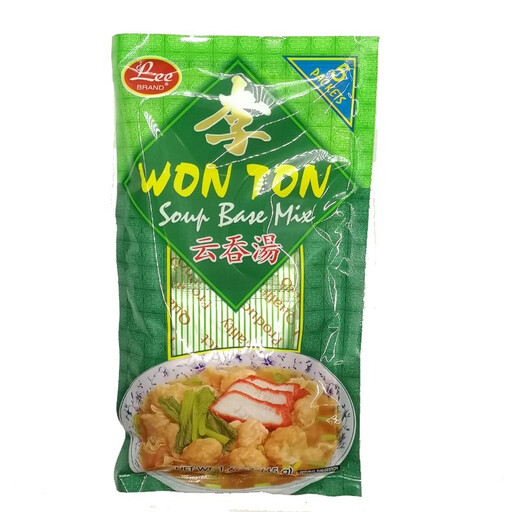
Why This Fits Their Persona: A compact dry mix for students, flat-sharers and first-time buyers who want to prepare wonton soup or noodles without purchasing a large bottle.
The stated preparation method uses one sachet with 500ml of boiling water or broth, making portion control clearer than an unmarked concentrate.
Dry, pre-portioned format; suitable for wontons, ramen or egg noodles. Contains soybeans and sesame.
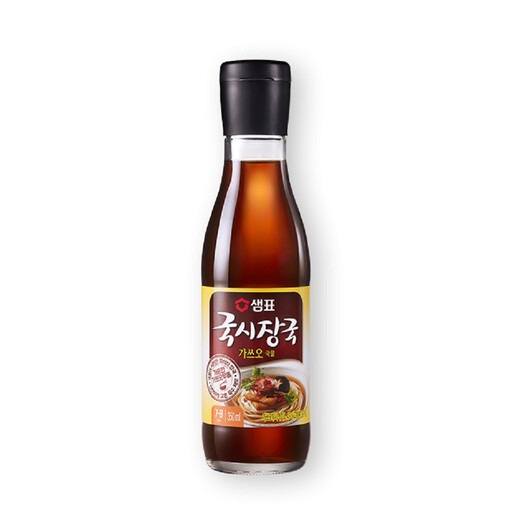
Why This Fits Their Persona: Suitable for cooks seeking a fish-based dashi soup base for udon, oden, dipping liquids and savoury sauces.
The product is clearly identified as a concentrate, with a typical 1:10 soup dilution ratio rather than presenting itself as ready-to-serve stock.
Contains skipjack tuna extract, kelp extract and brewed soy sauce; refrigerated storage is advised after opening.
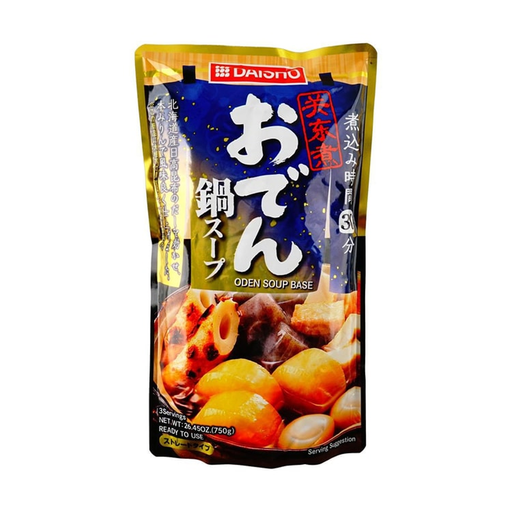
Why This Fits Their Persona: A larger format for households that regularly prepare oden, simmered dishes or Japanese hot pots.
The pack gives a stated 75g-to-750ml water ratio, helping frequent users plan batches and avoid guessing.
Bonito and kelp provide the listed flavour components; suitable for daikon, konjac, tofu products and fish balls.
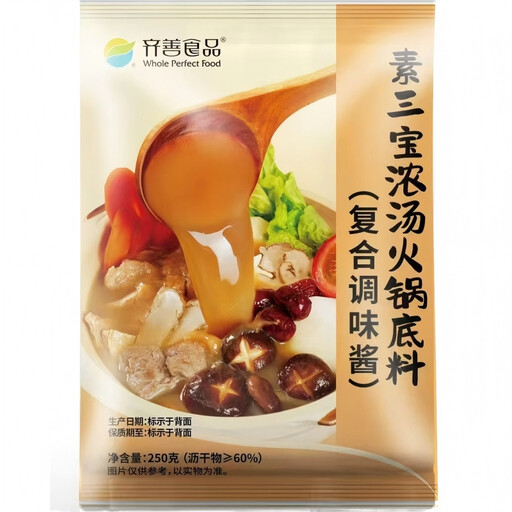
Why This Fits Their Persona: A practical vegetarian hot pot soup base for tofu, mushrooms, vegetables, noodles and plant-based meals.
Its stated plant-based recipe makes the intended dietary use clearer, while the label still identifies soy, wheat and sesame allergens.
Uses mushrooms listed at 11%; one 250g pack is intended for approximately 2 to 2.5 litres of water.
We have compiled a complete, real-time list of products that fully satisfy these strict selection criteria and UK safety regulations.
Tomato bases work well with noodles, tofu and meatballs, while a spicy hot pot broth can be balanced with mushrooms, leafy vegetables and plain noodles. Japanese bases are often suitable for udon, oden and simmered vegetables.
Chinese bases commonly use chilli, fermented bean paste, Sichuan pepper or pickled vegetables for a stronger, hotter profile. Japanese options often use soy sauce, bonito, kelp or other dashi ingredients for a lighter savoury broth. The exact recipe varies, so check the ingredients rather than relying only on the product’s regional description.
Often, yes. Ramen soup base can be diluted for noodles, while hot pot, tomato and dashi soup bases may work in stews, udon, rice dishes or dipping sauces. Confirm the recommended dilution and adjust gradually to avoid an overly salty result.
Unopened products should be stored according to the packaging and used before the stated date. Once opened, liquid concentrates commonly need refrigeration and prompt use. Single-use sachets and dry mixes are convenient because they reduce open-pack storage, but prepared broth should be cooled and refrigerated promptly if it is not being consumed immediately.