
24/7 Customer Support

Free returns

Same-day & Next-day Delivery

Quality Guaranteed

Unlock Your Welcome Offers: FREE Delivery | Up to 80% OFF | Free 30-day JoyPlus trial
Download the APP
Choosing between a hot pepper sauce, chilli paste, curry concentrate or dipping sauce can be surprisingly difficult. A brightly coloured bottle may look appealing, yet it may not suit your cooking style, spice tolerance or storage space.
For UK shoppers, the main buying pitfalls are usually:
A hot pepper sauce is generally pourable and works well as a finishing condiment for eggs, pizza, soups, rice and grilled food. Vinegar-based options, such as Tabasco Brand Pepper Sauce 57ml, are suitable when you want sharp acidity with controlled drops of heat.
A chilli sauce may be thicker and sweeter. Sweet chilli sauce is commonly used as a dip, glaze or marinade, while a chilli paste usually contains a higher proportion of spices or aromatics and is intended for cooking.
For stir-fries, noodles and hot pot dishes, look for a sauce or paste that can be added directly to the pan. Korean gochujang, Sichuan mala sauce and Thai chilli paste generally provide a more concentrated base than table-style pepper sauces.
Heat descriptions are not always directly comparable between brands. Instead of relying only on terms such as “mild”, “medium” or “extra hot”, check the ingredients and intended serving method.
Sugar, vinegar, oil and salt all affect how heat is perceived. A sauce with a high salt or sugar content may be intended for use in small quantities, so check the nutrition panel when comparing products.
UK food labels should identify relevant allergens in the ingredients or allergy advice. Pay particular attention to:
Also check whether the product is ready to eat or requires cooking. For example, Thai chilli paste may be fried in oil before other ingredients are added, while Japanese yakiniku sauce can be used directly as a dip or marinade.
Storage instructions vary. Several products require refrigeration after opening, and some advise consumption within a specified period. A 700ml bottle may be economical for frequent use, but a smaller bottle can be more practical for occasional cooks.
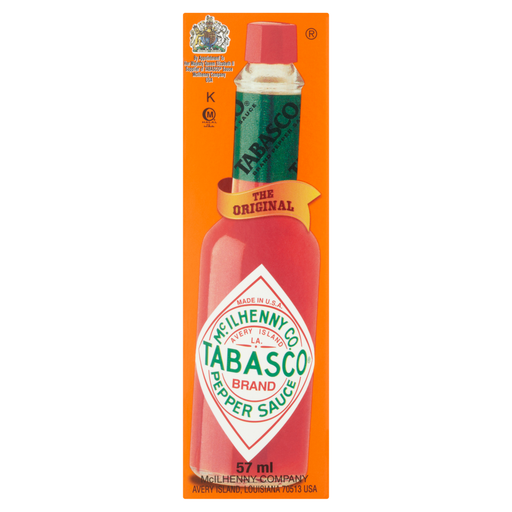
Why This Fits Their Persona: A compact option for UK kitchens that want a familiar, pourable hot sauce without committing to a large bottle. It suits eggs, pizza, soups and quick snacks.
The 57ml size limits waste for occasional users, while the simple ingredient list makes its vinegar, red pepper and salt base easy to understand.
Small cupboard footprint; no refrigeration required according to the supplied storage information.
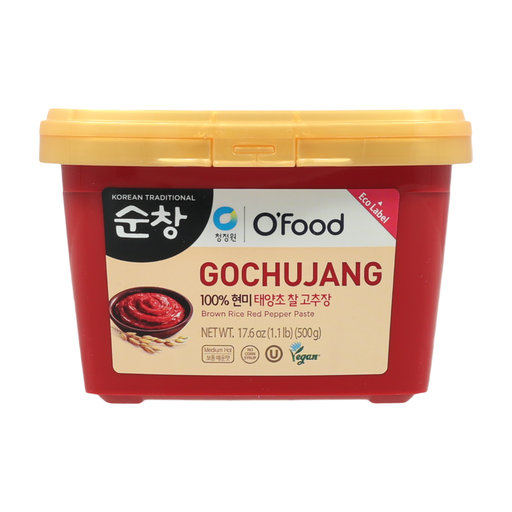
Why This Fits Their Persona: Suitable for cooks who want a Korean-style fermented chilli paste for marinades, stews, bibimbap, dipping sauces and stir-fries.
It is a cooking paste rather than a thin table sauce, making the format clearer for recipes that need concentrated flavour.
500g tub for repeated cooking; contains soya, so the allergen information is clearly relevant to selection.
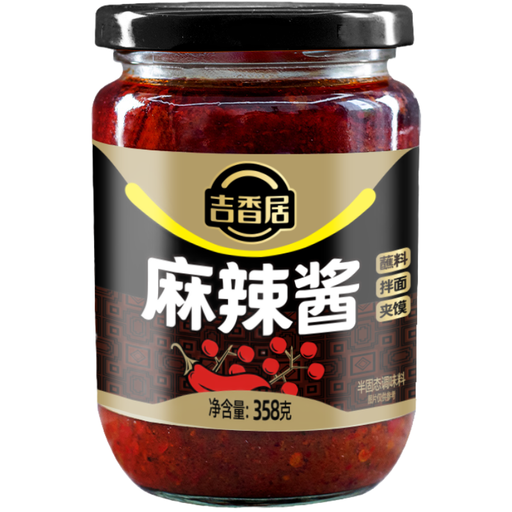
Why This Fits Their Persona: A practical match for spice lovers, hot pot cooks and households regularly preparing noodles, stir-fries or Sichuan-style dishes.
The product specifies 39% chilli peppers and 2% Sichuan peppercorns, helping shoppers distinguish its ingredient profile from a generic chilli sauce.
Ready-to-use format; suitable for noodles, dips, stir-fries and hot pot. Contains soya and wheat.
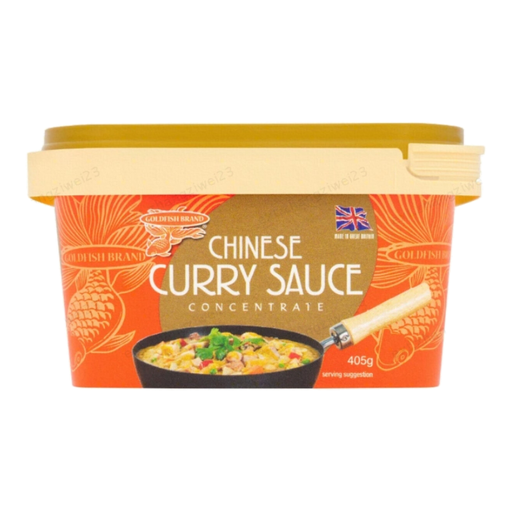
Why This Fits Their Persona: Designed for busy UK households seeking a mild Chinese curry base for meat, vegetables or tofu with less preparation.
Its “concentrate” format signals that it is intended to be combined with your chosen ingredients, rather than used as a standalone dip.
405g format; suitable for meat, vegetables and tofu. Contains wheat and mustard, with possible soya and celery traces.
We have compiled a complete, real-time list of products that fully satisfy these strict selection criteria and UK safety regulations.
Different dishes call for different formats:
Hot pepper sauce is usually thinner and ready to drizzle or mix into food. Chilli paste is thicker and more concentrated, often requiring frying, dilution or cooking. Always follow the product’s usage instructions.
There is no single lifespan. Some products can remain in a cool, dry cupboard, while others should be refrigerated after opening and consumed within a stated period. Check the label rather than relying on the unopened best-before date.
A mild Chinese curry sauce concentrate or a small bottle of vinegar-based hot pepper sauce can be a manageable starting point. For greater control, add a small quantity first, taste the dish and increase gradually.