
24/7 Customer Support

Free returns

Same-day & Next-day Delivery

Quality Guaranteed

Unlock Your Welcome Offers: FREE Delivery | Up to 80% OFF | Free 30-day JoyPlus trial
Download the APP
As the British appetite for global cuisine grows, the freezer aisle is becoming more exciting. Beyond the usual vanilla and chocolate, a world of exotic frozen desserts awaits. From the chewy delight of Japanese mochi to the rich creaminess of Indian kulfi, Asian ice cream offers a fantastic journey of flavour and texture.
However, navigating this expanding market can be tricky. Many shoppers, eager to try something new, end up disappointed. Before you spend your money, it helps to be aware of a few common pitfalls that can lead to a less-than-satisfying experience.
By learning what to look for, you can easily sidestep these issues and find high-quality, delicious treats that deliver the authentic experience you're looking for.
To ensure you're getting a product that lives up to its promise, focus on a couple of non-negotiable details on the packaging. These are the true indicators of quality, far more than flashy marketing.
The most reliable way to gauge authenticity is to check the Quantitative Ingredient Declaration (QUID). This tells you the percentage of key characterising ingredients.
Reading the ingredient list helps you understand exactly what you are paying for and sets realistic expectations for the taste.
The texture is just as important as the flavour. Different Asian frozen desserts have distinct characteristics that define them.
Knowing the ideal texture helps you identify products that have been formulated correctly versus those that are simply standard ice lollies with an "exotic" label.
To help you get started, we've matched a few excellent options to different preferences, highlighting how they deliver on their promise.

Why This Fits Their Persona: Perfect for those who prioritise the unique mouthfeel of Japanese mochi. This product is all about the satisfying chew of the rice dough combined with a classic ice cream flavour.
It avoids the texture mismatch pitfall. The ingredient list clearly specifies glutinous rice flour for the dough, ensuring the authentic, chewy texture that defines mochi, rather than a simple gummy coating.
Comes in six individually portioned pieces, making it convenient for a single treat without committing to a large tub. The chocolate flavour is familiar and pairs well with the novel texture.
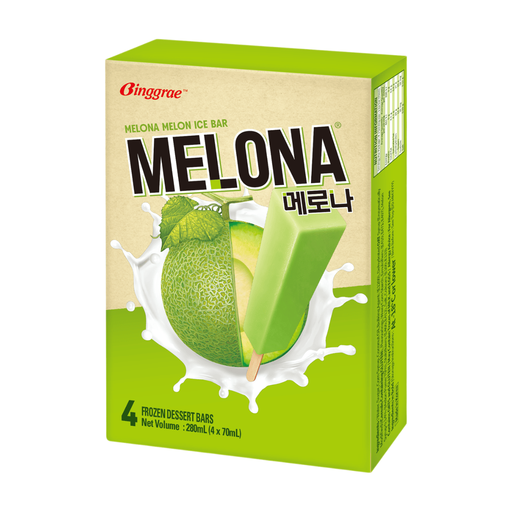
Why This Fits Their Persona: Ideal for someone seeking a specific, iconic taste. This classic Korean ice cream bar is famous for its distinct and refreshing honeydew melon flavour that is hard to find elsewhere.
This product sidesteps the "flavour disappointment" trap. It delivers the well-regarded, creamy melon taste it's known for, using melon juice concentrate to achieve a satisfyingly authentic profile.
It offers an incredibly smooth and creamy texture that is not icy, making it a refreshing treat. The multipack format is great for stocking the freezer.

Why This Fits Their Persona: For those craving a rich, dense and aromatic frozen dessert reminiscent of traditional Indian kulfi. This is a luxurious treat rather than a light, icy snack.
It directly counters the texture mismatch pitfall. The product is marketed with a "dense, smooth texture reminiscent of authentic kulfi," setting it apart from standard airy ice cream lollies. The use of pistachio paste (1.5%) provides a genuine nutty flavour.
Delivers a rich and aromatic pistachio flavour. The dense, slow-melting quality provides a long-lasting and satisfying dessert experience, true to the kulfi style.
We have compiled a complete, real-time list of products that fully satisfy these strict selection criteria and UK safety regulations.
The main difference is the texture and composition. Regular ice cream is a churned dairy or non-dairy frozen dessert. Mochi ice cream consists of a ball of ice cream that is enveloped in a soft, chewy layer of mochi, which is a Japanese rice cake made from glutinous rice flour. The experience is a unique combination of soft, chewy and cold, creamy textures in one bite.
For all frozen desserts, storage at a consistent -18°C or below is crucial. This prevents the formation of large ice crystals, which can ruin the texture and make creamy products feel grainy or icy. For mochi ice cream, it's also a good idea to let it sit at room temperature for a minute or two before eating to allow the outer mochi layer to soften slightly for the ideal chewiness. Always check the packaging for specific storage instructions and never refreeze a product that has thawed.
This varies greatly by product, but many traditional Asian desserts prioritise a balance of flavours over intense sweetness. For example, a high-quality matcha ice cream will have a noticeable earthy bitterness to balance the sugar. Flavours like black sesame or red bean are often nutty and savoury-sweet. However, many modern and fruit-flavoured varieties can be just as sweet as their Western counterparts. Checking the "of which sugars" value in the nutritional information per 100g can give you a good point of comparison.