
24/7 Customer Support

Free returns

Same-day & Next-day Delivery

Quality Guaranteed

Unlock Your Welcome Offers: FREE Delivery | Up to 80% OFF | Free 30-day JoyPlus trial
Download the APP
As the British appetite for global cuisine grows, the freezer aisle is becoming more exciting. The allure of Asian ice cream, with its unique flavours and textures, is undeniable. Yet, navigating the world of ube ice cream, mochi ice cream and kulfi can be tricky. Many who buy Asian snacks online UK are met with disappointment when a promising-looking treat turns out to be a letdown.
As the Joybuy Product Recommendation Officer, my role is to help you sidestep these issues. We will look at the common traps that lead to a subpar dessert experience and highlight what truly matters when making your selection.
matcha ice cream should have a distinct, slightly bitter and earthy note, not just be green and sugary.Mochi ice cream should have a soft, chewy rice dough exterior, not a tough, starchy shell. Similarly, traditional kulfi is known for being dense and creamy, not icy and crystalline like a poorly made ice lolly.To ensure you get a delicious and authentic product, focus on these key details. They are far more telling than flashy packaging.
The ingredients reveal the true quality of the product. For a genuine taste, the primary flavouring agent should be a real food item, not a chemical compound.
mochi ice cream: The dough should be made primarily from glutinous rice flour. This is what gives it its signature soft and chewy texture.Not all Asian frozen desserts are the same. Knowing what to expect helps you appreciate the nuances and spot poor imitations.
Japanese Ice Cream: Often celebrated for its subtlety. This category includes the popular mochi ice cream (ice cream wrapped in rice dough) and treats featuring classic flavours like matcha, black sesame and yuzu.Korean Ice Lolly: Typically fruit-forward, creamy and incredibly refreshing. The iconic melon bar is a prime example, offering a smooth texture that is more akin to a creamy ice cream bar than a water-based ice lolly.Filipino Dessert: The star here is often ube ice cream. Made from purple yam, it has a striking violet colour and a unique flavour that is sweet, nutty and often compared to a blend of vanilla and pistachio.Kulfi: This is a traditional frozen dessert that is not churned like Western ice cream. Milk is slow-cooked until it reduces and thickens, resulting in a much denser, creamier and richer product. Common flavours include pistachio, mango and cardamom.Based on these criteria, here are a few selections matched to different preferences.
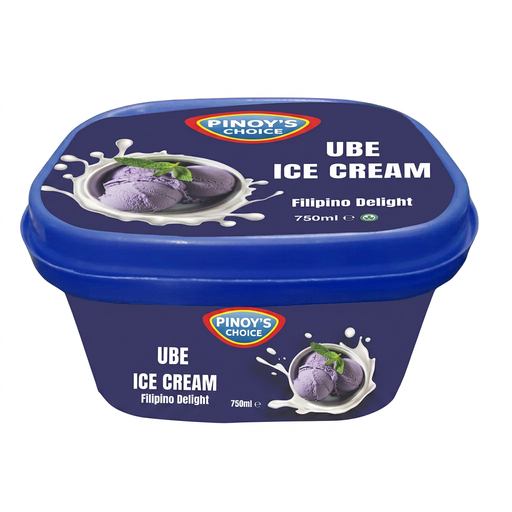
Why This Fits Their Persona: For those in the UK's Filipino community or anyone searching for a genuine taste of a classic Filipino dessert, this is an ideal choice. The large tub is perfect for sharing with family and brings a familiar, comforting flavour home.
It sidesteps the "flavour-only" trap by using 5% Ube Jam, ensuring the distinct, sweet and nutty flavour of purple yam comes through authentically, rather than relying on artificial substitutes.
Generous 750ml family-sized tub. Delivers an authentic ube ice cream flavour profile thanks to the inclusion of real ube jam.
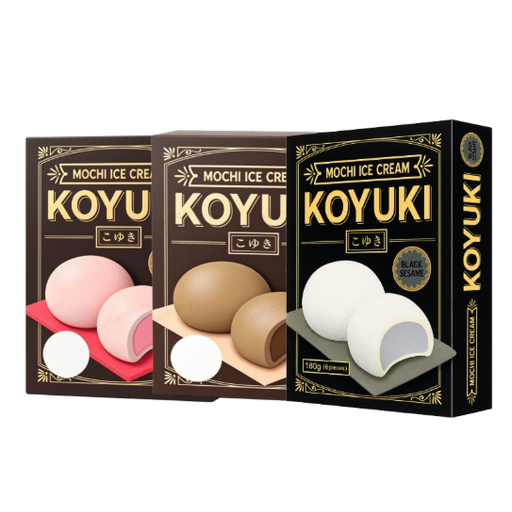
Why This Fits Their Persona: This bundle is perfect for the curious palate. It offers a chance to sample three distinct Japanese ice cream flavours—Strawberry, Chocolate and Black Sesame—while experiencing the unique chewy texture of mochi.
This bundle avoids the "texture troubles" pitfall. The rice dough is made with glutinous rice flour, providing the soft, pliable chewiness that is the hallmark of quality mochi ice cream.
Offers variety with three different flavours in one purchase. The individual portions are ideal for sampling and portion control.
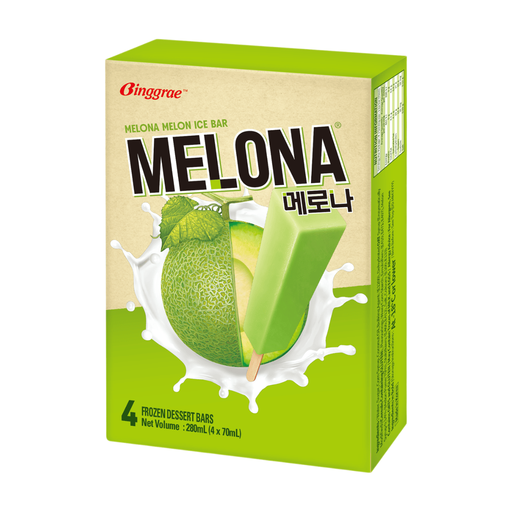
Why This Fits Their Persona: For someone seeking a simple, refreshing and consistently delicious treat, this classic Korean ice lolly is an excellent choice. It requires no bowls or spoons and is perfect for cooling down on a warm day.
This product is known for its exceptionally smooth and creamy texture, successfully avoiding the iciness that plagues lesser-quality lollies. The flavour is distinct and refreshing, delivering exactly what it promises.
Uniquely creamy texture for an ice lolly. The refreshing honeydew melon flavour is satisfying and not overpowering. Comes in a convenient multi-pack.
We have compiled a complete, real-time list of products that fully satisfy these strict selection criteria and UK safety regulations.
The main difference lies in the preparation and resulting texture. Regular ice cream is made from a custard base that is churned to incorporate air, making it light and fluffy. Kulfi, on the other hand, is traditionally made by slowly simmering and reducing milk until it thickens and the sugars caramelise. It is not churned, which results in a much denser, creamier and richer frozen dessert.
No, they are two different root vegetables, though both are popular in Asian desserts. Ube, or purple yam, has a vibrant, deep purple flesh and a sweet, mellow flavour with notes of vanilla and nuttiness. Taro has a pale, lilac-flecked flesh, a starchier texture and a milder, more earthy flavour. The flavour of ube ice cream is distinctly different from that of taro.
Mochi ice cream should be kept in a sealed container in your freezer at or below -18°C. For the ideal texture, it is recommended to take a mochi ball out of the freezer and let it rest at room temperature for one to two minutes before eating. This allows the outer glutinous rice dough to soften to a perfect chewy consistency while the ice cream core remains frozen.