
24/7 Customer Support

Free returns

Same-day & Next-day Delivery

Quality Guaranteed

Unlock Your Welcome Offers: FREE Delivery | Up to 80% OFF | Free 30-day JoyPlus trial
Download the APP
Asian ice cream and frozen desserts offer flavours and textures that are not always found in conventional supermarket freezers, from chewy mochi ice cream to coconut ice bars, matcha treats and durian gelato. However, attractive packaging and unfamiliar ingredients can make comparisons difficult.
Before adding a product to your basket, watch for three common buying pitfalls:
The product format affects portioning, storage and suitability for different occasions.
UK food labelling requires relevant allergens to be clearly identified, but recipes and manufacturing conditions vary. For example, coconut is an important ingredient in many dairy-free frozen desserts, while soya may appear in emulsifiers or flavour preparations.
If you are looking for vegan frozen desserts, distinguish between a product described as plant-based or vegan-friendly and one with a fully suitable allergen statement. XO ICE’s products are listed as plant-based, dairy-free, lactose-free and halal certified, but both contain coconut and may contain traces of other allergens. ETE Boran products are described as halal certified and dairy-free, with coconut and soya listed.
Consumers avoiding gluten should still read the current pack label. Little Moons Coconut Mochi and Matcha Green Tea Mochi are listed as free from cereals containing gluten, although the matcha product may contain nuts and peanuts. For any allergy, do not rely solely on a retailer description.
Nutrition figures are generally provided per 100g, while a mochi piece or ice bar may weigh considerably less. Little Moons Coconut Mochi lists 77 kcal per 32g mochi, whereas the XO ICE Durian Gelato lists 114 kcal per 100g. These figures are not directly interchangeable without considering the actual portion.
Flavour intensity also depends on the recipe. XO ICE Musang King Durian Gelato lists 20% durian paste, while the Mango and Salted Coconut Gelato lists 15% Alphonso mango pulp. That provides a more useful comparison than a flavour name alone. For matcha ice cream or Thai tea ice cream, check whether matcha powder or Thai tea extract appears in the ingredients and where it sits in the list.
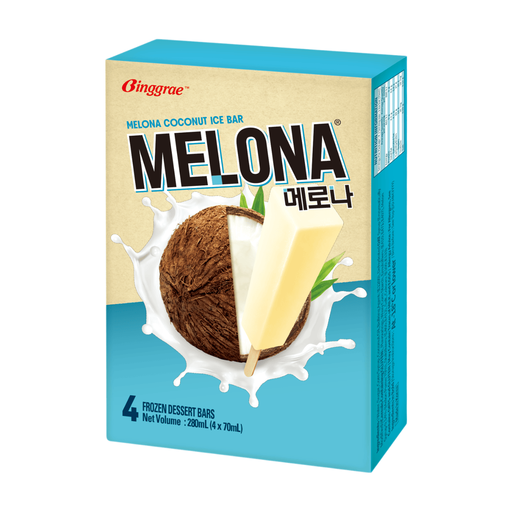
Why This Fits Their Persona: Four individually portioned 70ml coconut ice bars provide a straightforward way to try an Asian ice cream staple without committing to a large tub.
The pack size and per-bar format make portion and quantity clear, while the ingredient list identifies coconut milk and soya.
Four ready-to-eat bars; listed storage temperature is -18°C or colder.
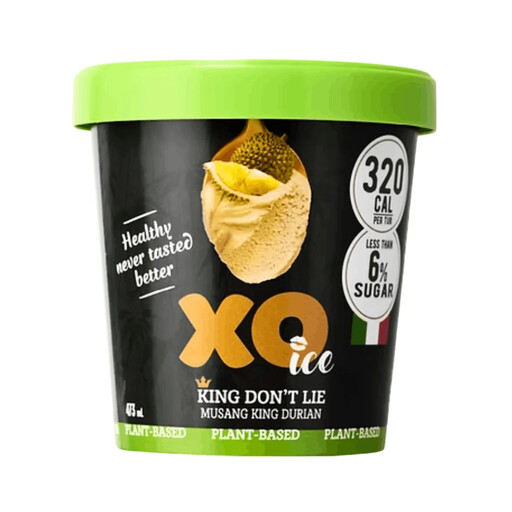
Why This Fits Their Persona: Designed for shoppers seeking a pronounced durian gelato flavour, this tub lists 20% Musang King durian paste and is made in Malaysia.
The stated durian percentage gives a clearer indication of flavour composition than packaging language alone.
473ml tub; plant-based, halal certified, dairy-free and gluten-free as listed by the product information.
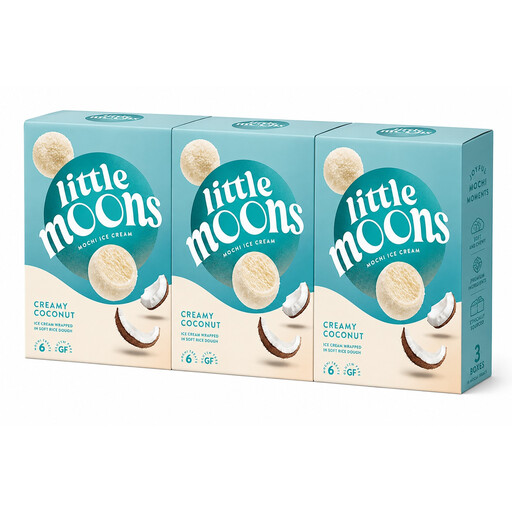
Why This Fits Their Persona: The 18-piece format suits family freezers, gatherings and shoppers who want individually portioned mochi available over several occasions.
The pack clearly states three six-piece packs, and the product information gives a 32g serving reference.
Six servings per listed pack format; free from cereals containing gluten, with milk and soya clearly identified.
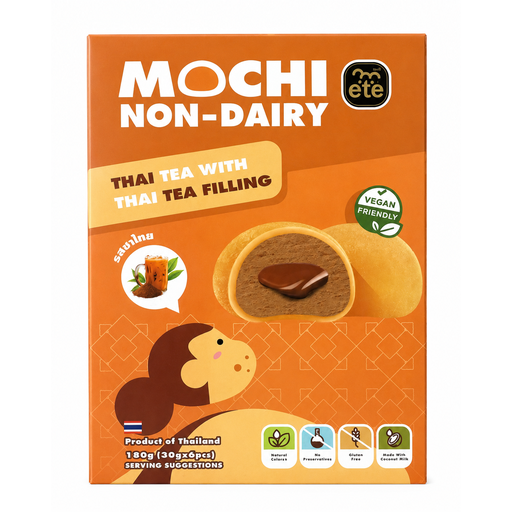
Why This Fits Their Persona: This six-piece option combines Thai tea flavour with coconut milk in a dairy-free format for shoppers looking for a halal frozen dessert.
The product information states the six-piece quantity, dairy-free recipe, coconut and soya allergens, and halal certification.
Individual 30g mochi pieces; Thai tea extract and coconut milk are listed ingredients.
We have compiled a complete, real-time list of products that fully satisfy these strict selection criteria and UK safety regulations.
Keep products frozen at -18°C or below, following the pack instructions. Transfer them home quickly and avoid leaving them in a warm car. Do not refreeze a product that has thawed, and check for damaged packaging or visible signs of melting before eating.
Mochi has a chewy rice-flour outer layer and should be eaten carefully. Follow the product’s serving guidance, supervise young children and cut or soften the portion where appropriate. Some ice bars also carry choking-hazard guidance for younger children.
No. Plant-based products can contain coconut and may carry traces of milk, eggs, peanuts, sesame or tree nuts. Check the full ingredient list, allergen statement and current packaging before purchase, particularly when buying for someone with an allergy.