
24/7 Customer Support

Free returns

Same-day & Next-day Delivery

Quality Guaranteed

Unlock Your Welcome Offers: FREE Delivery | Up to 80% OFF | Free 30-day JoyPlus trial
Download the APP
Finding an Asian iced tea drinks multipack in the UK should be straightforward, but pack sizes, sweeteners and unfamiliar flavour descriptions can make comparison difficult. A bottle labelled “tea drink” may contain very different amounts of tea, fruit juice and sugar from another product in the same category.
This guide helps you compare Chinese tea drinks, ready-to-drink tea and other Asian soft drinks by checking the details that affect everyday value, flavour and storage.
A 2-litre bottle may look economical, but it is less convenient for packed lunches, commuting or serving individual guests. Once opened, it also needs refrigeration and should be consumed within the period stated on the packaging.
By contrast, a tea drinks 15 x 500ml case offers portion-sized bottles, although the total volume may be lower than a family case. Compare the total litres, not just the number of bottles:
Colour and product names do not confirm sugar content. A fruit tea drink or sweetened green tea can contain considerably more carbohydrate than a plain bottled green tea.
For example, the listed Nongfu Spring Oriental Tree Leaf Green Tea provides 0g sugar and 0 calories per 100ml, while Uni Green Plum Flavour Tea Drink lists 7.8g sugar per 100ml. A 500ml bottle of the latter therefore contains approximately 39g of sugar, based on the supplied nutrition panel. Always check the nutrition table and ingredients rather than relying on words such as “refreshing” or “natural”.
Herbal tea drink packaging may refer to traditional ingredients or cultural concepts. These descriptions should not be interpreted as medical, therapeutic or nutritional endorsements. Check the ingredients for practical information, including allergens and specific components such as liquorice.
The tea base affects the drink’s aroma and bitterness:
Look for a quantitative ingredient declaration where available. The Nongfu Spring green tea listing specifies green tea at 16%, while the KAI TEA listing identifies 14% NFC bitter melon juice and 4% real oolong tea. These details give more useful context than flavour language alone.
If you want unsweetened tea or sugar-free tea, check both the nutrition panel and ingredient list. “Sugar-free” generally refers to the stated sugar level, but a product may still contain sweeteners or other flavouring ingredients.
Useful comparisons from the listed products include:
These figures are product-specific, so check the current label before purchasing.
Consider where the drinks will be kept and how quickly they will be consumed. A case of 500ml bottles suits offices, student households and events where individual servings are useful. A 6 x 2-litre case is more appropriate for family meals or group sharing, provided there is enough fridge space.
Before opening, many products can be stored in a cool, dry place away from sunlight. After opening, follow the packaging instructions. Several listed drinks recommend refrigeration and consumption within 24 hours, while the UNI 2-litre product advises consuming within three days for best taste.

Why This Fits Their Persona: Fifteen individual 500ml bottles provide a practical introduction to unsweetened Chinese tea drinks for home, study or office use.
The listing states 0g sugar and 0 kcal per 100ml, avoiding assumptions based only on the green tea description.
500ml ready-to-drink format; ingredients list includes green tea at 16%.

Why This Fits Their Persona: Suitable for shoppers seeking a deeper, roasted tea character without added sugar in a convenient bottled format.
The supplied nutrition information states 0g sugar and 0 kcal per 100ml, while the ingredients identify black oolong tea and additives.
500ml bottles; listed as suitable chilled or at room temperature.
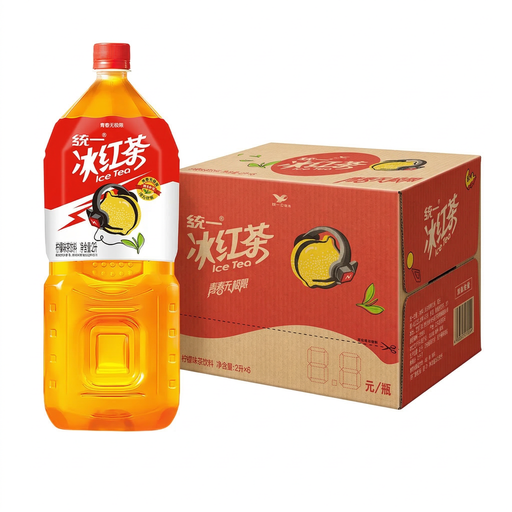
Why This Fits Their Persona: The 12-litre total volume suits family fridges, shared meals, parties and larger gatherings.
Its family-size format makes the serving style clear, while the label provides sugar and storage information for informed comparison.
Black tea and lemon flavour; six 2-litre bottles provide 12 litres in total.
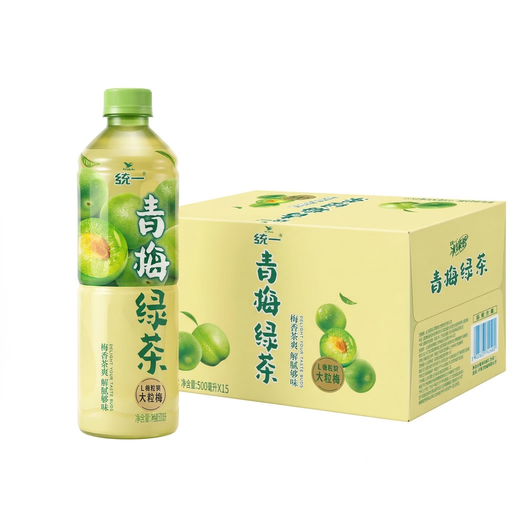
Why This Fits Their Persona: A practical choice for shoppers who prefer tangy fruit notes rather than plain green tea or traditional black tea.
The listing clearly identifies white sugar and gives a per-100ml sugar figure, so it is not mistaken for an unsweetened tea.
500ml bottles; green plum juice is listed at 5% and the case contains 15 bottles.
We have compiled a complete, real-time list of products that fully satisfy these strict selection criteria and UK safety regulations.
Yes, 400ml or 500ml bottles are convenient for meetings, student societies, parties and workplace fridges. For larger gatherings, calculate the number of servings required and compare total litres. Family-size 2-litre bottles may create less packaging, but they require cups and refrigeration after opening.
Storage varies by product. The listed UNI Ice Tea 2-litre case advises refrigeration and consumption within three days, while several 400ml and 500ml products recommend consuming within 24 hours. Follow the instruction on the individual packaging and check the best-before information before ordering.
Not necessarily. Green tea, black tea and oolong tea naturally contain caffeine unless the product is specifically described as decaffeinated. Ready-to-drink tea listings may not provide a caffeine quantity, so check the label or contact the retailer if caffeine content is important to you.