
24/7 Customer Support

Free returns

Same-day & Next-day Delivery

Quality Guaranteed

Unlock Your Welcome Offers: FREE Delivery | Up to 80% OFF | Free 30-day JoyPlus trial
Download the APP
Asian instant food and drinks can make a useful pantry reserve for students, office workers, families and anyone who wants a quick meal without sacrificing variety. However, attractive packaging and familiar flavour names do not always tell you what you are actually buying. Portion size, allergens, preparation method and storage requirements can make a significant difference to value and suitability.
This guide from the Joybuy Product Recommendation Officer explains what to check before choosing instant noodles, soup, coffee and other Asian grocery products.
A large box may look economical, but only if you enjoy the flavour and can use it before the best-before date. A 40-pack of Indonesian Mi Goreng is practical for a shared household or office, whereas a five-pack may be more suitable if you are trying a flavour for the first time.
Always compare:
Instant noodles are convenient, but seasoning sachets can contribute substantial salt. For example, the listed nutrition for some noodle products ranges from approximately 2g to over 6g of salt per 100g. Matcha latte and white coffee sachets can also contain sugar and creamer, so “instant” does not automatically mean light or low-calorie.
Use the UK nutrition panel where available, and consider using only part of a seasoning sachet if the flavour remains satisfactory.
“Ramen”, “stir-fried noodles” and “cold noodles” require different methods. Some Korean ramen products are soup-based, while products such as Indonesian Mi Goreng, Paldo Bibimmen and jjajang-style noodles are drained and mixed with sauce. Self-heating rice bowls require particular care because the heating pack must be handled according to the instructions.
For a shared kitchen, workplace or student accommodation, check whether you need:
Some products are ready in three minutes, while broad Chinese spicy noodles and other noodle sheets may require five to six minutes of soaking. A self-heating rice bowl does not require an external heat source, but it should be used exactly as directed and kept away from water until the heating process begins.
Read the full ingredient list every time, particularly if buying for a household. Common allergens in Asian instant food include wheat, soya, sesame, milk, fish, egg, peanuts, mustard, celery and crustaceans.
Marukome Instant Miso Soup Tofu Flavour is listed as gluten free, but it contains soya and fish ingredients, including bonito and sardine. Aik Cheong White Coffee contains milk, while several Korean ramen and Chinese noodle products contain wheat and soya. Product recipes can change, so use the packaging as the final reference.
Choose single portions when testing unfamiliar flavours. Multipacks are more practical for regular consumption, sharing or pantry stocking. Ambient products should generally be kept in a cool, dry place away from direct sunlight and moisture.
For drinks, check whether the sachet is already blended with sugar and creamer. Decaf coffee, black instant coffee, white coffee sachets and matcha latte mixes serve different preferences and should not be treated as interchangeable.

Why This Fits Their Persona: A five-pack gives students, first-time buyers and smaller households a manageable way to try Indonesian dry noodles without committing to a large box.
The pack size reduces the risk of overbuying, while the instructions clearly state a three-minute cooking time and draining method.
Individual 80g portions; includes sweet soy sauce, seasoning, oil and fried onion sachets.
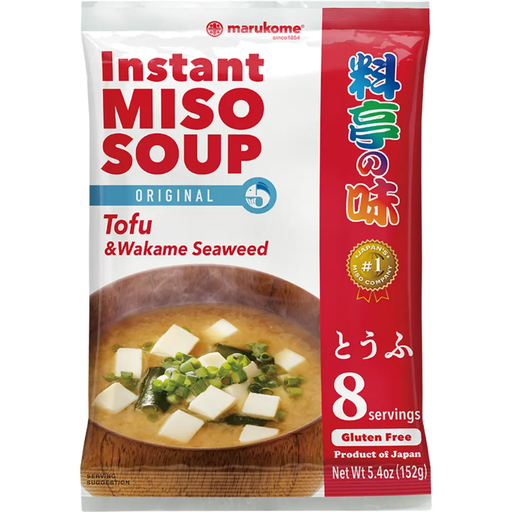
Why This Fits Their Persona: Suitable for shoppers seeking a convenient Japanese side dish with miso, tofu, wakame seaweed and green onion in portioned servings.
The eight-serving format makes portions clear, and the listed gluten-free status helps shoppers compare it with other Japanese miso soup products.
Eight individual servings; product of Japan; prepared with hot water in minutes.
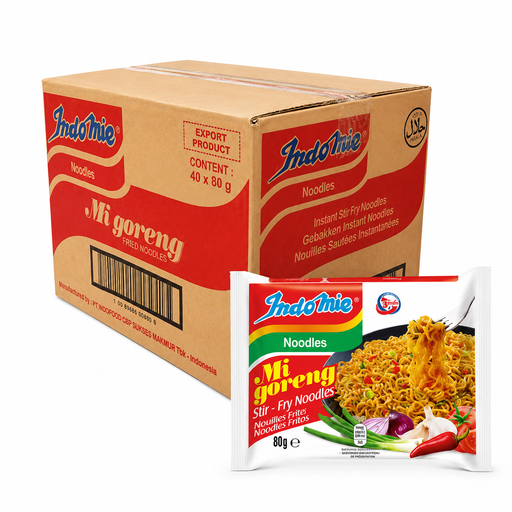
Why This Fits Their Persona: A 40-serving box suits families, shared accommodation, office pantries and regular Indonesian instant noodle shoppers.
The total quantity and pack structure are stated clearly, so shoppers can calculate servings and storage needs before ordering.
40 individual packs; three-minute cooking method; includes sweet soy sauce and fried shallot elements.
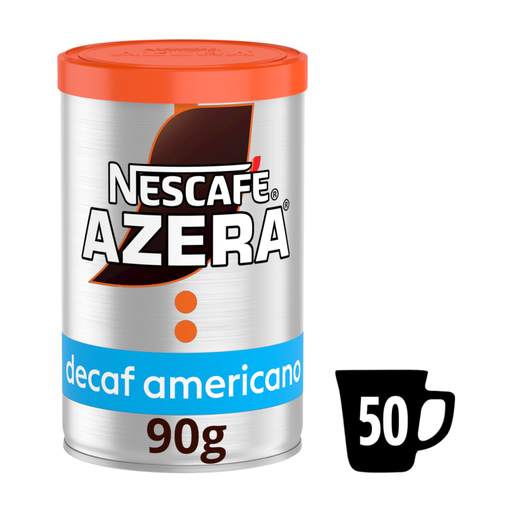
Why This Fits Their Persona: A practical choice for people who want an instant black coffee format without choosing a standard caffeinated blend for every cup.
It is identified as decaffeinated soluble coffee rather than a sweetened premix, making the ingredient format easier to compare.
90g jar format; no listed allergens; suitable for hot-water preparation at home or work.
We have compiled a complete, real-time list of products that fully satisfy these strict selection criteria and UK safety regulations.
Check the best-before date on the outer packaging and store products in a cool, dry place. Multipacks should be rotated so older items are used first. Once prepared, consume immediately unless the packaging states otherwise.
You can add vegetables, egg or cooked protein, and use less seasoning or sauce where appropriate. These additions do not remove the need to check the nutrition panel, particularly salt and saturated fat values.
Plain instant coffee is generally soluble coffee that you mix with water. White coffee sachets are premixed with ingredients such as sugar and creamer, creating a sweeter, creamier drink. Decaf coffee is made for shoppers seeking a decaffeinated option, while matcha latte sachets are a separate milk-based or creamer-based drink mix. Always check the ingredients for milk, soya and added sugars.